
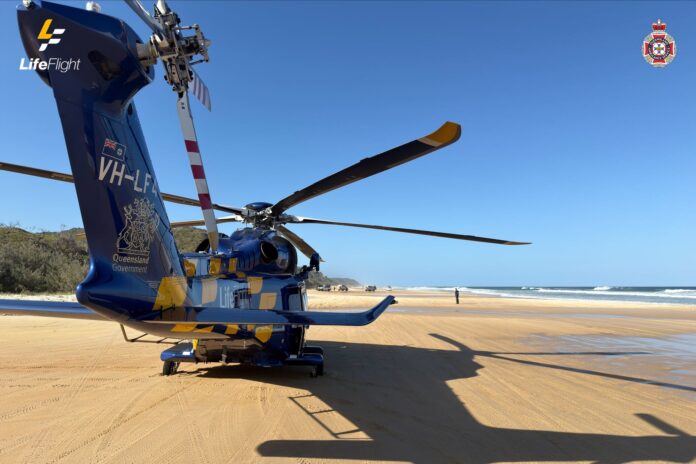
LifeFlight Sunshine Coast crews completed more missions in 2025, continuing a year-on-year increase in activity across the region.
The rescue crew helped 672 people, up 18 per cent on the previous year.
The helicopter clocked up 991 flight hours across 661 missions and attended a diverse range of incidents from search and rescues to winching lost hikers.
There were 174 people airlifted with trauma, 100 in the wake of motor vehicle accidents, and 61 patients with cardiac complaints.
The Sunshine Coast numbers helped fuel another overall record year for LifeFlight, with 8838 people helped across Queensland.
Help keep independent and fair Sunshine Coast news coming by subscribing to our FREE daily news feed. All it requires is your email at the bottom of this article.
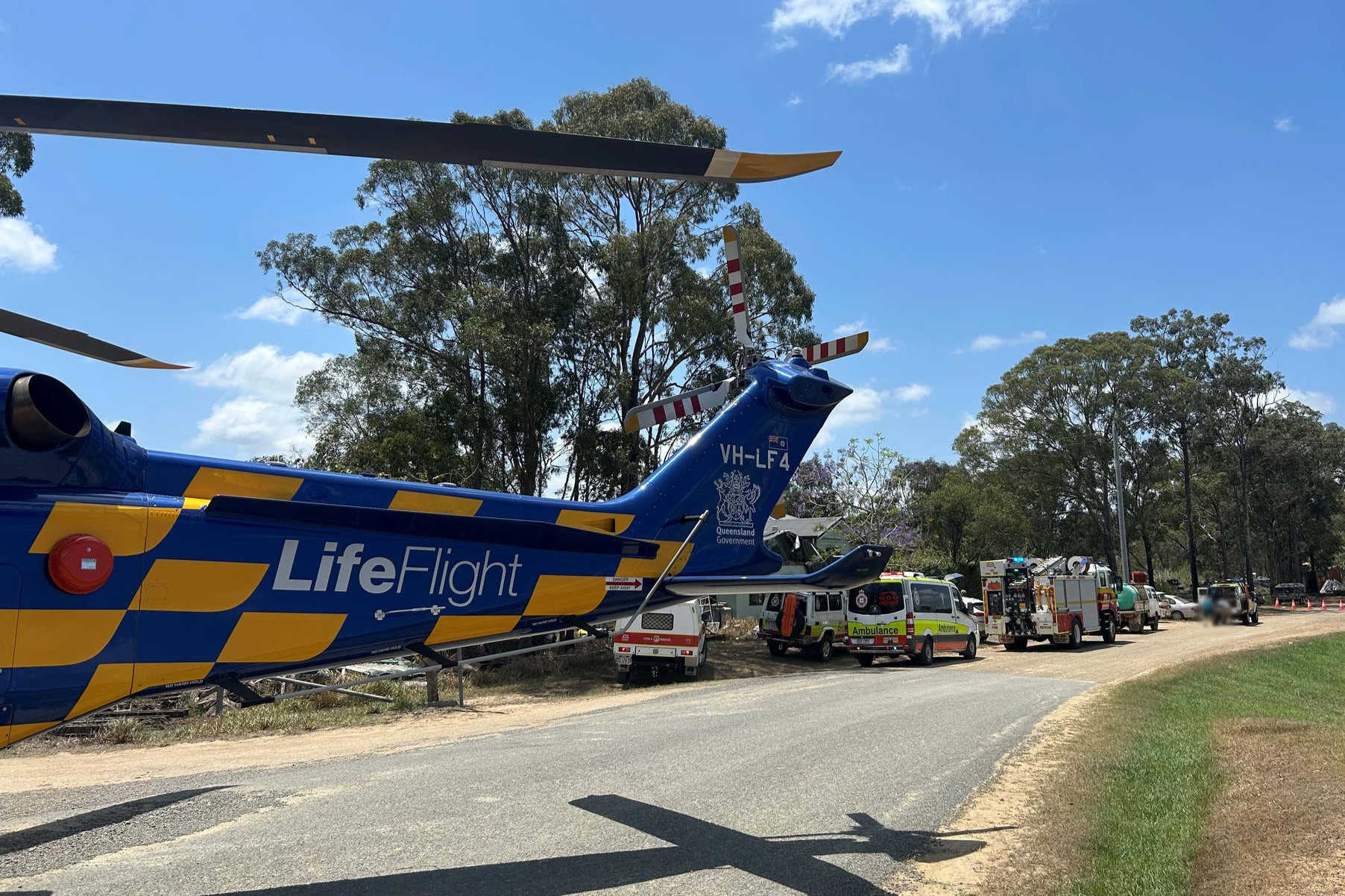
The crew’s new AW139 helicopter is capable of going farther and faster to reach patients around the region.
LifeFlight also progressed the build of a new base close to three times the size of the current hangar which is set to open this year. It can accommodate two AW139 helicopters and one Challenger 604 jet.
The crew completed a number of complex aeromedical missions in 2025.
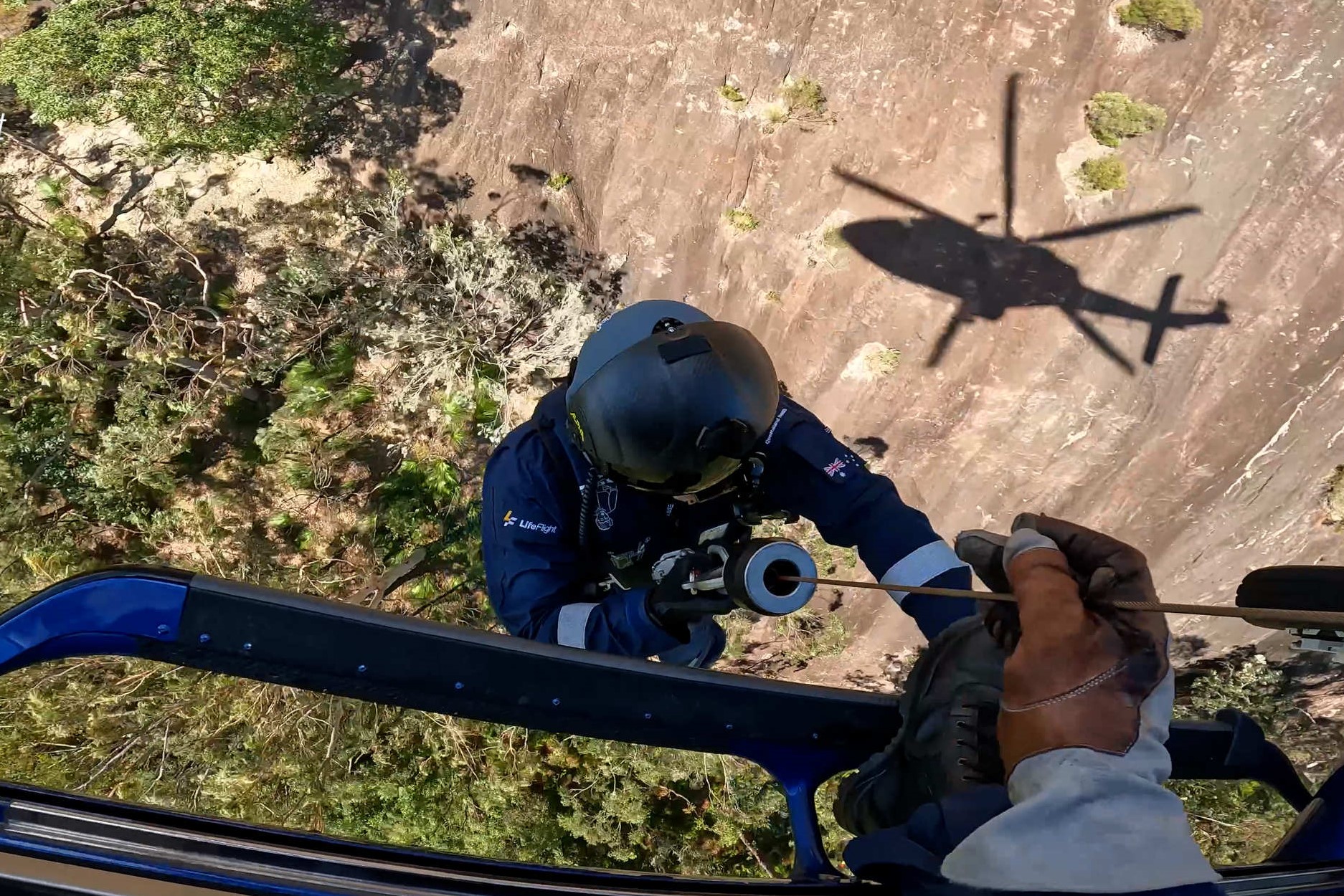
The crew winched a lost hiker to safety after he was stranded on a mountain for two nights and three days in January.
They also winched a man to safety after he fell 20 metres into the ocean from a cliff in the Noosa region.
The aeromedical team winched a bushwalker from the Glass House Mountains National Park after she slipped and fell 10 metres while scaling a rocky ledge, later in the year.
LifeFlight acting chief operating officer Pete Elliott said the new base would provide a further boost to the Sunshine Coast region at a time of rising patient numbers.
“Its capacity to house two AW139 helicopters and one Challenger 604 jet will ensure it can continue to grow patient numbers year-on-year, helping more people throughout the region,” he said.
Mr Elliott said the back-to-back record years of 2024 and 2025 showed the organisation’s drive to deliver improved technology and aeromedical capabilities was working.
“The new AW139 helicopters, equipment and advanced training programs mean we’re able to help more Queenslanders than ever before with world-class aeromedical care,” Mr Elliott said.
“The advanced helicopters are a result of our 10-year service agreement with the Queensland Government, which brings us closer to our goal of bringing equity of healthcare to Queenslanders no matter where they live.”
LifeFlight helicopters are tasked by Retrieval Services Queensland as part of the agreement.
Mr Elliott said LifeFlight’s operation included highly skilled intensive care medical teams and pilots backed up by LifeFlight’s communication, coordination and control centre known as C3.
He said LifeFlight had cemented new partnerships during the year, such as with AW139 manufacturer Leonardo, to ensure it remained at the forefront of aeromedical training and innovation.
He said LifeFlight was also ramping up the rollout of its free First Minutes Matter emergency trauma training workshops throughout the state.
LifeFlight medical director Dr Jeff Hooper said LifeFlight made great strides in 2025 recruiting new critical care doctors, conducting clinical research and using real-life rescues to inform community training.
LifeFlight’s new medical staff underwent intensive aeromedical training at the LifeFlight Training Academy, including Helicopter Underwater Escape Training (HUET), rescue winching and clinical scenario training.
“Our crews administer prehospital and retrieval medicine under highly stressful conditions, so they have to be ready for any eventuality, and this is what the training equips them to do,” Dr Hooper said.
“It is why our aircraft are fitted out as mobile intensive care units with advanced medical equipment to care for patients whether we are operating 35,000 feet above the ground in a Challenger jet, or in the back of a helicopter. This aeromedical intervention is vitally important as it can be the difference between life and death.”
Crews support search and rescue efforts across 53 million square kilometres of land and sea for the Australian Maritime Safety Authority.
LifeFlight’s 24/7 Communications, Coordination and Control Centre acts as the hub of all operations and is run by a dedicated team of aviation professionals who handle thousands of calls and messages to coordinate complex aeromedical services.
As in previous years, much of LifeFlight’s aeromedical work involved Inter-Facility Transfers or moving patients between medical facilities. Every 59 minutes, LifeFlight aircraft rescue a seriously ill or injured patient, flying from 10 base locations across the Asia Pacific.