

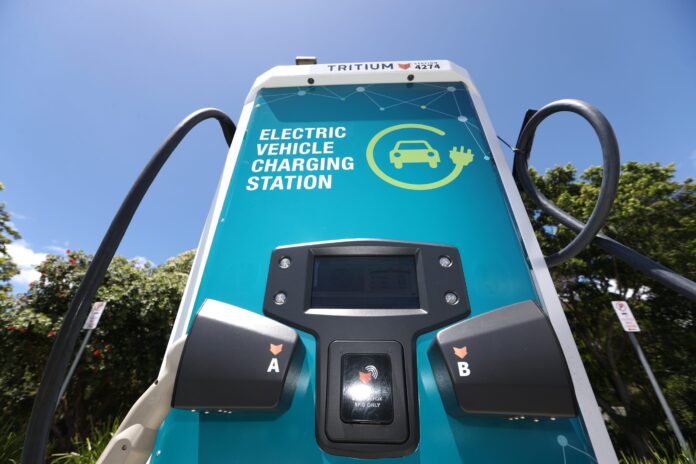
The growing popularity of hybrid and electric cars is helping to reduce Australia’s transport emissions but big, old cars are slowing progress.
Australia’s vehicle fleet is cleaner than it used to be as the growing popularity of hybrid and electric cars continues to drive down emissions.
But the nation’s progress still trails that of Europe and the United States and is being slowed by a trend towards buying bigger, heavier vehicles and keeping cars on the road longer.
The National Transport Commission revealed the details December 8 in an analysis of emissions from Australia’s light vehicle fleet during 2024.
The findings come almost one year after the federal government’s New Vehicle Efficiency Standard came into force and after new vehicle sales figures for November revealed drivers’ growing preference for fuel-efficient vehicles.
The commission’s report, called Light Vehicle Emissions Intensity in Australia, analysed the national fleet of more than 17 million registered vehicles.
It found light vehicle emissions dropped by 1.5 per cent in 2024 compared to the year before, down to 190.8 grams per kilometre.
Emissions from new vehicles registered during 2024 were significantly lower, however, at 156.3g/km, and had dropped by 3.9 per cent in 2024.
Growing sales of hybrid, plug-in hybrid and electric vehicles were behind the falling pollution rates, National Transport Commission chief executive Michael Hopkins said, and highlighted the effect more efficient vehicles had on the industry.
“Our report aims to inform policymakers, fleet managers and all Australians about the impact of decisions on what car to buy if you want to help cut total emissions,” he said.
Want more free local news? Follow Sunshine Coast News on Facebook, LinkedIn and Instagram, and sign up for our FREE daily news email.
Australia had more than 600,000 hybrid vehicles on its roads by January 2025, the report found, including 171,000 registered during 2024.
The number of electric vehicles also rose to 240,217 by the start of 2025 – an increase of 89,680 cars – while new petrol vehicle registrations dropped by 50,000 during 2024.
But while Australia cut its transport pollution, its emissions from passenger cars and SUVs remained 34 per cent higher than those in Europe and Mr Hopkins said it didn’t compare well with other major nations.
“Our average emissions intensity for newly registered light vehicles has still been higher than the US and Canada in recent years,” he said.
Reasons for stubbornly high emissions include the growing size and weight of new vehicles sold, as the report found the average vehicle size had grown from 8.4m2 in 2014 to 8.8m2 in 2024.
The average size of utes increased even more, growing from 8.7m2 in 2003 to 10.3m2 in 2024.
Other factors slowing down emission cuts included a trend to keep half of light vehicles on the road for about 19 years, and the use of more high-polluting vehicles in rural and remote towns, where average emissions rose to 202g/km compared to 181g/km in inner metropolitan areas.



