
100% Locally Owned, Independent and Free

100% Locally Owned, Independent and Free

Council encourages residents to take steps to reduce insect breeding grounds

Do you have a news tip? Click here to send to our news team.

Regional bank defends new tech alliance amid job cuts

A bank board has faced shareholder questions about its decision to bring in a technology solutions partner, amid widespread change in the finance sector. Bank More

Sami Muirhead: Let’s reverse the road rage trend

’Tis the season for road rage!  I was in my car at the shopping centre, reversing back and forth and trying to park between More

Photo of the day: burnished sky

This stunning sunset photo was taken by photographer Tom Regener from Bulcock Beach looking over Pelican Waters. If you have a photo of the day More

Early works start on 1800 homes and athletes’ village

Site works have started on enabling infrastructure to unlock more than 1800 new homes and an athletes' village on the Sunshine Coast. Backed by $82.9 More

Strawberry farmer ordered to pay $1.1m by court

The operator of a Sunshine Coast strawberry farming business that went into liquidation has been ordered to pay more than $1.1 million to a More

Renowned chef takes on ownership at new Asian eatery

A former executive chef of one of the region’s most acclaimed restaurants has opened a new Asian street-food venue in the Sunshine Coast hinterland, More

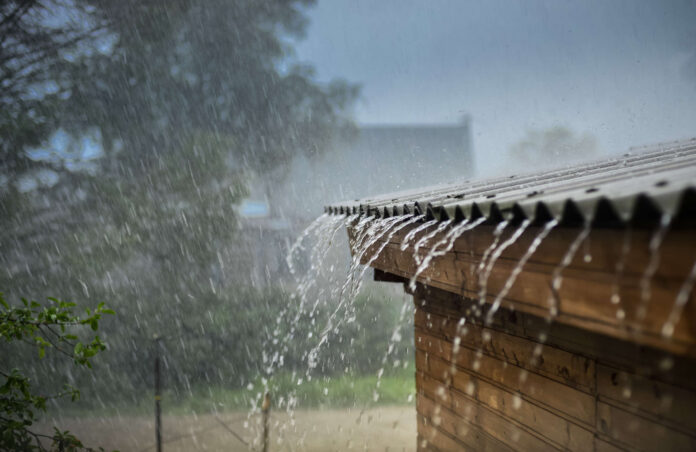
Recent rainfall has sparked a surge in mosquito activity across the Sunshine Coast, with a council urging residents to take action to prevent breeding around their homes.

Saltmarsh mosquitoes are common across the region and Noosa Council has stepped up monitoring and treatment of tidal marshes, particularly after high tides over 1.6 metres in the Noosa River.

Freshwater areas, including local dams, drains and low-lying backyards, have also become breeding grounds following the wet weather.

Noosa Council environmental health coordinator Haylee Fox said controlling mosquitoes was essential as some species could transmit diseases such as Ross River virus.

“Mosquitoes can breed in everyday backyard items like bird baths, plant pots, wheelbarrows, and anything that holds water,” Ms Fox said.

“Eggs can remain dormant for months and hatch within days once activated by water.”

Residents across the Sunshine Coast are being urged to take simple steps to reduce mosquito breeding, including emptying or removing water-holding containers weekly, keeping gutters clear, screening tanks, maintaining pools and drains, and checking properties for standing water.

To protect against mosquito-borne diseases, experts recommend wearing long, loose-fitting clothing, using repellents containing DEET, picaridin or oil of lemon eucalyptus, installing screens on windows and doors, protecting infants with pram and cot nets, and avoiding outdoor activity at peak mosquito times at dawn and dusk.

More tips are available on the Queensland Health website.

Subscribe to SCN’s free daily news email

This field is for validation purposes and should be left unchanged.
This field is hidden when viewing the form
[scn_go_back_button] Return Home
Share