
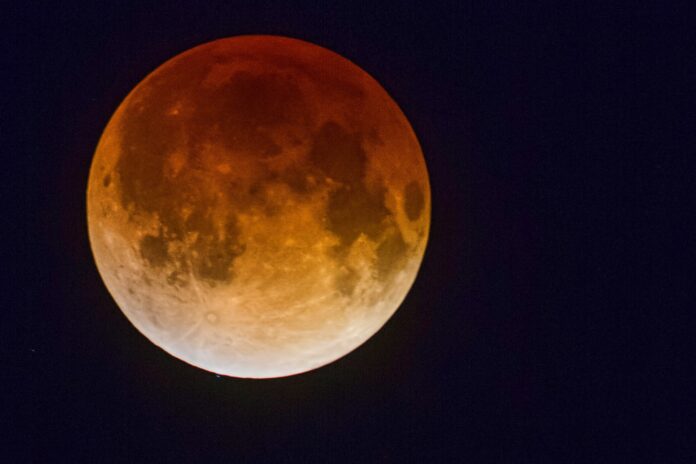
Sunshine Coast stargazers are poised to see the longest lunar eclipse since 2022 on Monday morning.
The full moon will pass through Earth’s shadow, turning a reddish hue and creating a dramatic ‘blood moon’.
Early risers will also be able to spot Saturn and Jupiter nearby in the pre-dawn sky.
Sunshine Coast resident Ken Wishaw, who is the convenor of the Maleny Observatory for the Brisbane Astronomical Society, said the September full moon is traditionally called the harvest moon.
He detailed when the event will happen and how best to see it.
“Partial eclipse will begin at 2.27am, total eclipse will be from 3.30am to 4.52am and the partial eclipse will end at 5.56am before moonset at 6am.”
“The moon will be in the constellation of Pisces. It will be low in the northwest, so viewing locations need to be able to have a low horizon in that direction.”
He detailed why the spectacle is often referred to as the blood moon.
“The only light that can reach the moon and illuminate it is light that has been bent as it passes through the earth’s atmosphere,” he said.
Want more free local news? Follow Sunshine Coast News on Facebook, LinkedIn and Instagram, and sign up for our FREE daily news email.
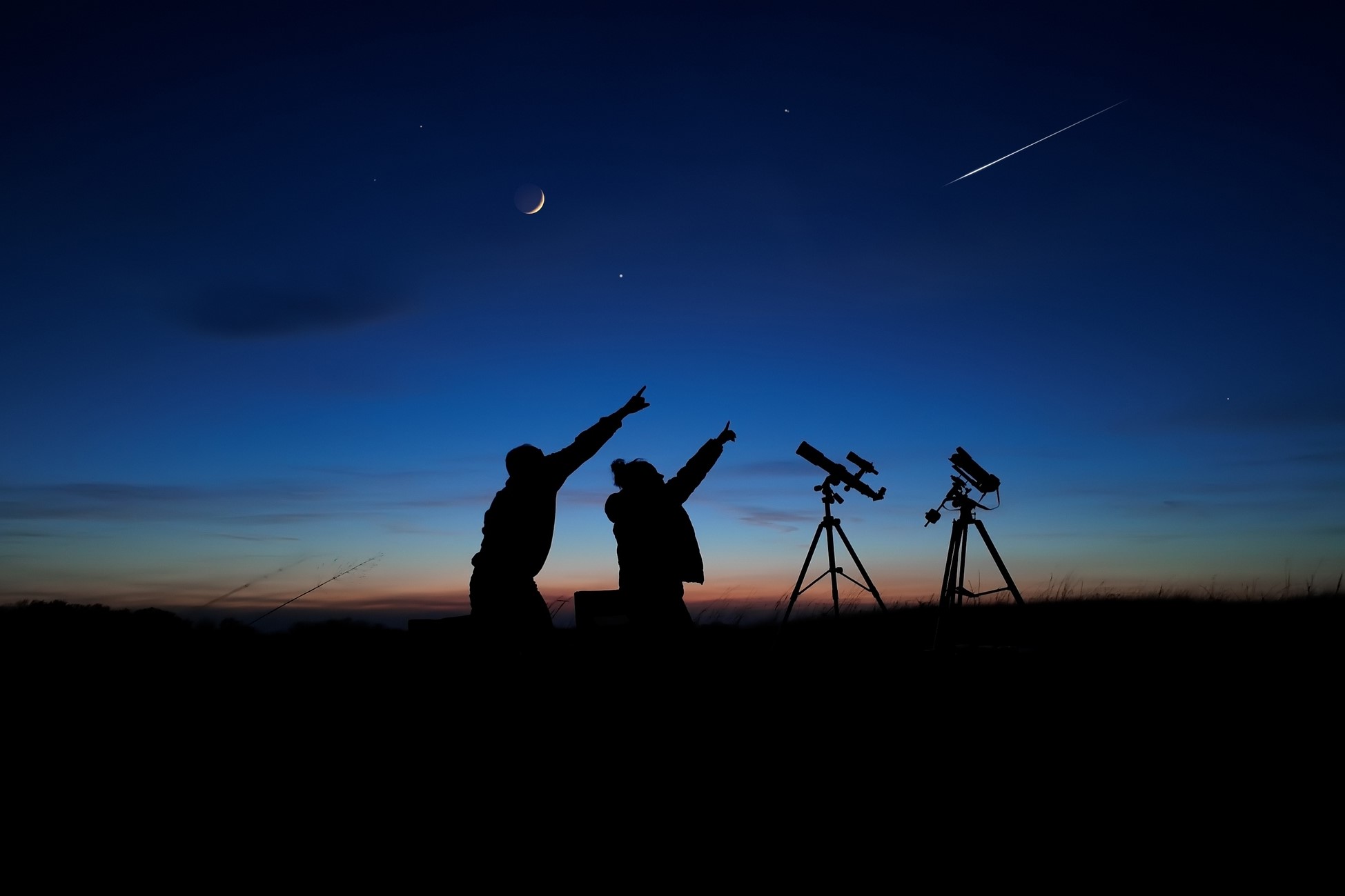
“As much of the blue light is filtered out by this, the moon’s colour can vary from grey to red, hence the name of a blood moon.
“The colour depends on atmospheric conditions, dust and smoke content in the atmosphere at the time and is unpredictable.
“We just have to wait and see.”
He said Saturn would appear just above the moon and should be “distinctly yellow”.
“At present the rings require a large telescope to see,” he said.
“At the same time, to the east, Jupiter will be visible low on the horizon.”
“Saturn will be closest to the moon the following morning after the eclipse but only by a fraction of a degree closer than what you will see at the eclipse, and with the moon in shadow during the eclipse it will be a lot easier to see.”
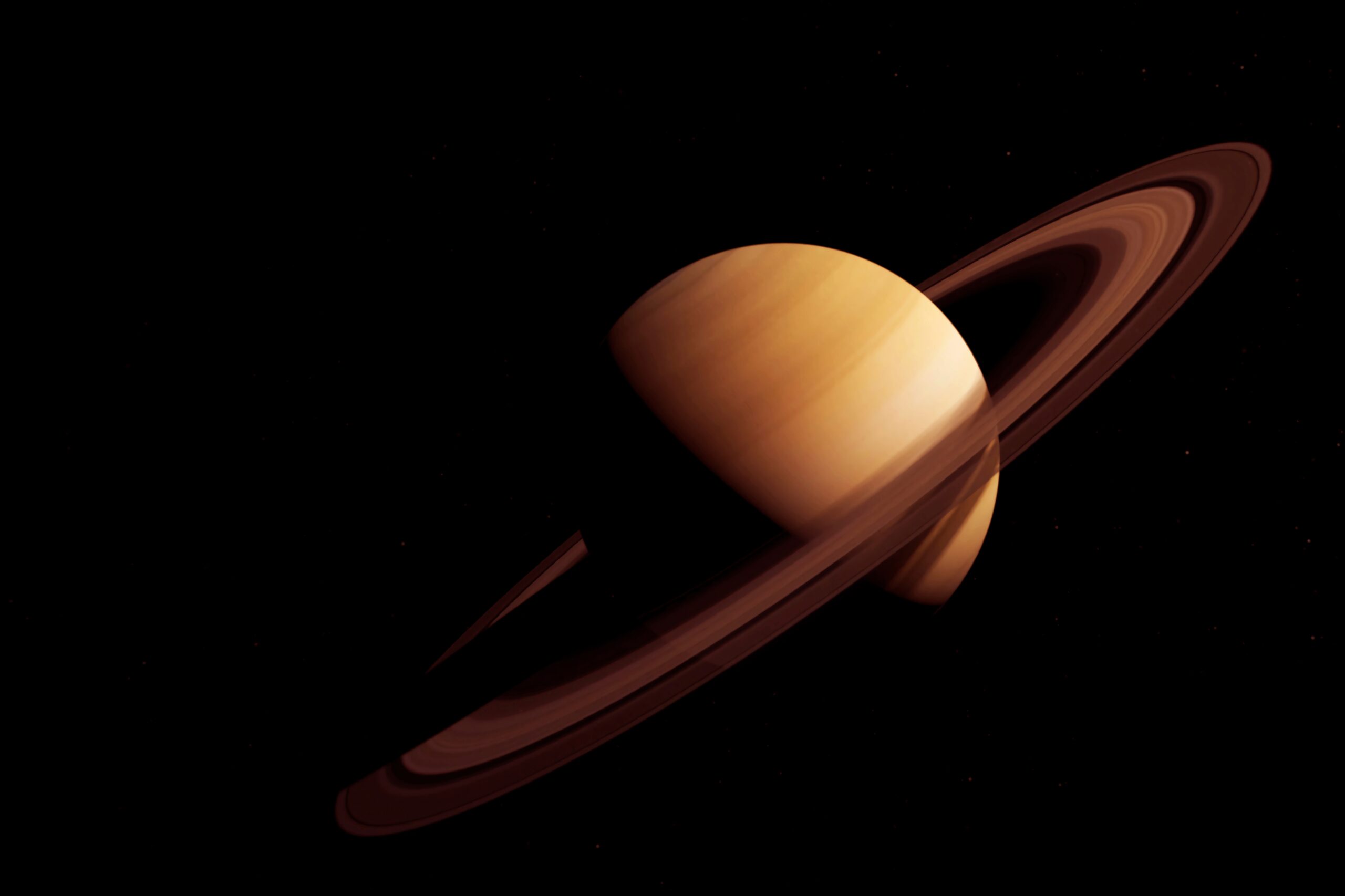
Jupiter is one of the most well-known planets, as it is the largest in the Solar System but Mr Wishaw said Saturn was interesting too.
“The Earth could fit between Saturn and its rings,” he said.
“The diameter of the rings are the same diameter as the moon’s orbit but you need a telescope to see them: it is over a billion kilometres away
“The rings are only 10 to 100 metres thick so when they are edge on (seen from side view) every 12 years, as occurred last February, they become invisible for about three weeks.”
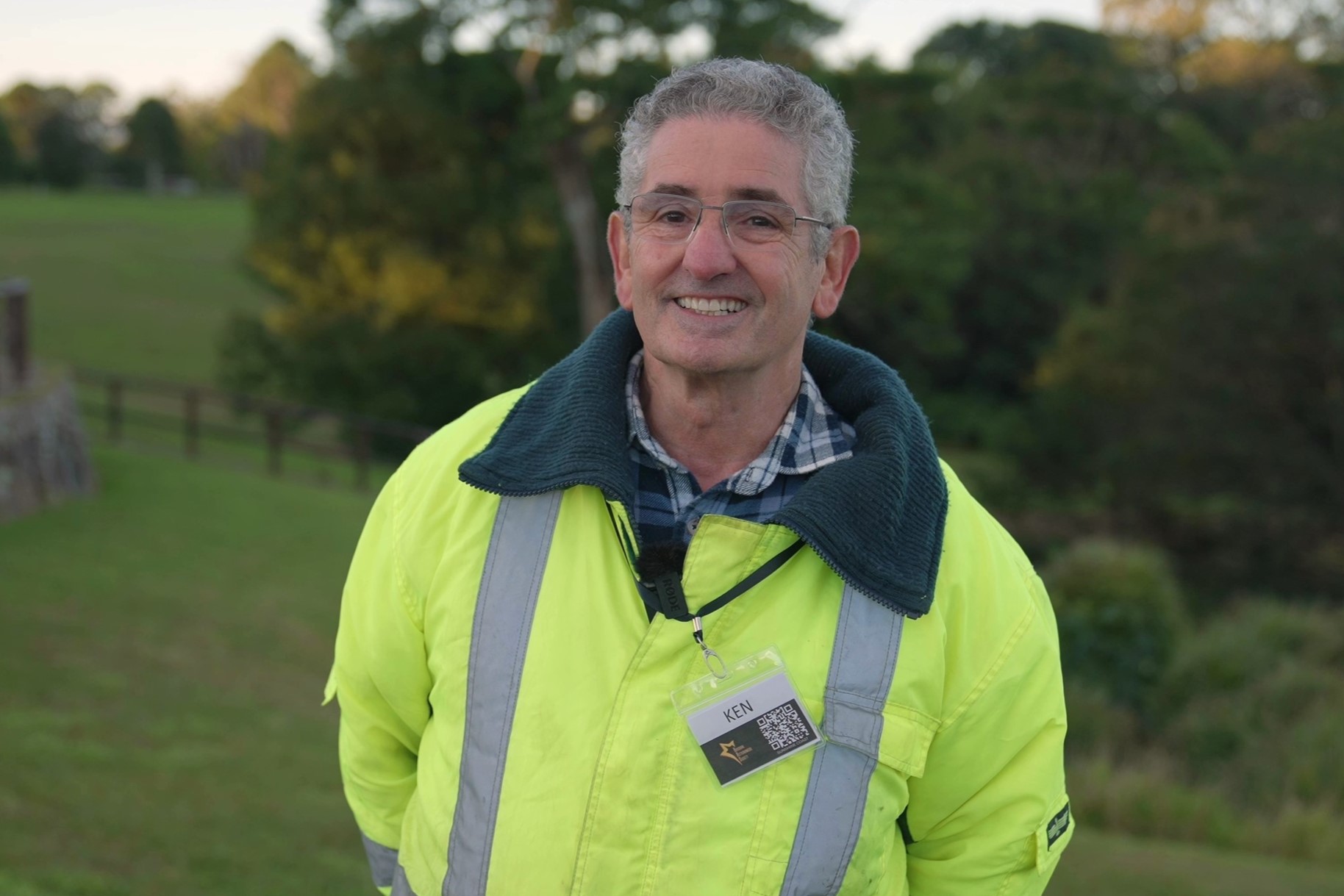
He said members of the public could be able to see Saturn and its rings through a large telescope at a stargazing night at Maleny Observatory on September 20. It is a ticketed event and details will be posted to the Facebook page.
Mr Wishaw was the co-recipient of the 2025 Sunshine Coast Senior Citizen of the Year award and he received the 2024 International Dark Sky Defender Award from Dark Sky International for his work on mitigating light pollution and work towards creation of an International Dark Sky Reserve in the Sunshine Coast hinterland.
“I am working on a petition to preserve our night skies through a national petition to the Australian Government to create legislation around responsible outdoor lighting at night,” he said.
“This has been spectacularly successful in several European countries and we need it here.
“The petition closes on September 19.”