
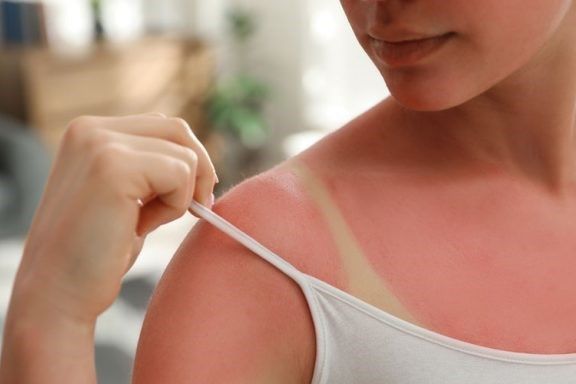
A University of the Sunshine Coast PhD researcher is urging people not to ditch sunscreen amid news about some brands failing to match their sun protection factor (SPF) labels.
Dr Andrew Dettrick, an adjunct associate professor and PhD researcher at UniSC and a Sunshine Coast Health pathologist, said people leaving their skin unprotected remained a far greater health risk, even in winter.
Dr Dettrick and his team found that deaths from non-melanoma skin cancers had almost doubled in Australia this millennium.
“I’m concerned that the public might stop using sunscreen because of ongoing discussion around the CHOICE report and Therapeutic Goods Administration statement regarding brands that apparently did not contain their claimed SPF rating,” Dr Dettrick said.
Independent consumer watchdog CHOICE recently found 16 out of 20 popular sunscreens it had tested failed to meet their SPF ratings.
The sunscreens CHOICE tested came from a range of widely available and commonly purchased brands at different price points to see whether the SPF claims made on each product were valid.
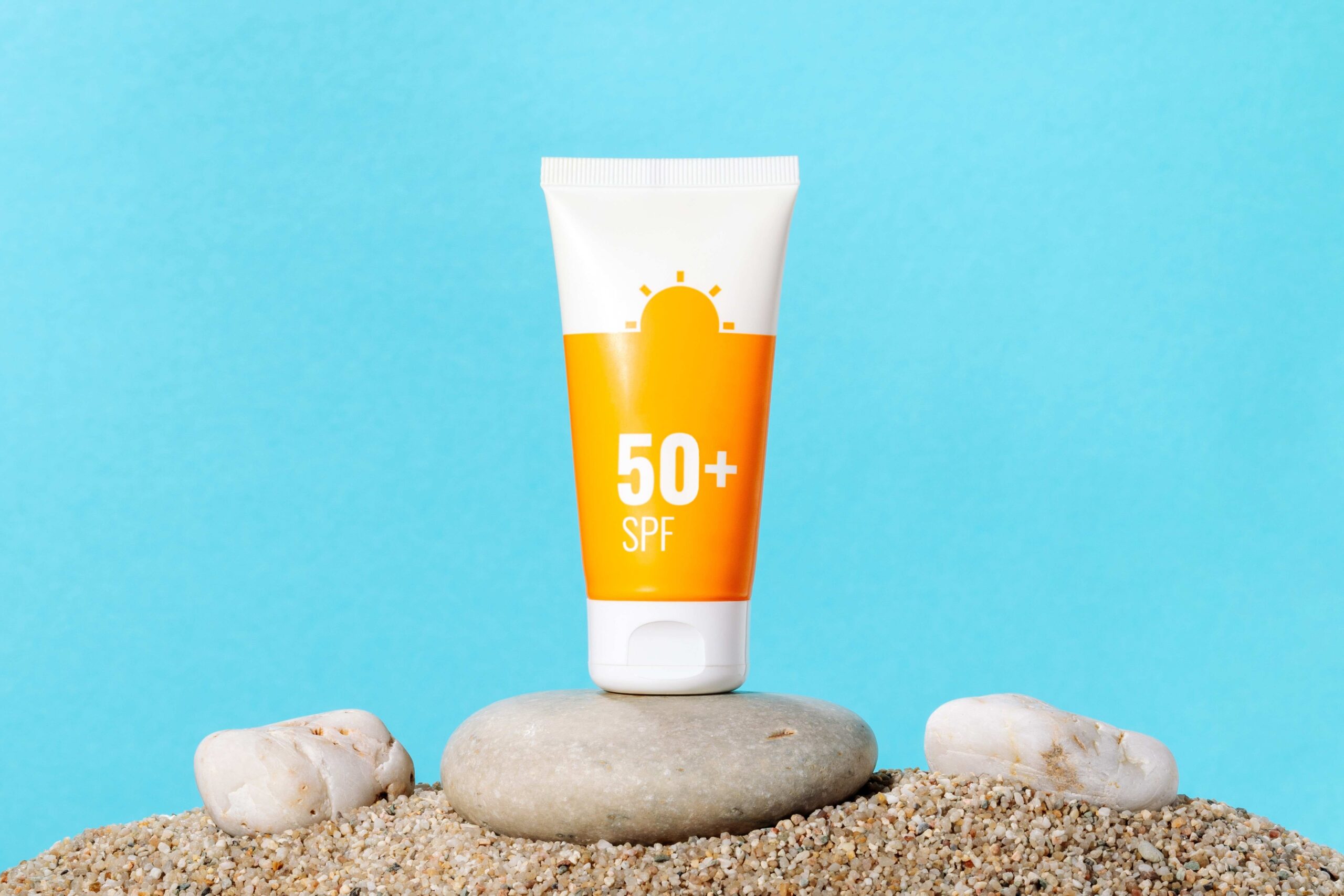
According to CHOICE, these sunscreens were sent to an external laboratory that has specialist expertise and equipment for SPF testing, and is approved by the Therapeutic Goods Administration (TGA).
CHOICE is calling on the TGA and the Australian Competition and Consumer Commission to investigate sunscreen brands across Australia to make sure sunscreen safety matches people’s expectations.
Help us deliver more news by registering for our FREE daily news feed. All it requires is your email at the bottom of this article.
The TGA said in a statement that it would investigate the CHOICE findings and would take regulatory action as required, however it would not publicly comment on the investigation until it was concluded.
The SPF indicates how effective sunscreen is against sunburn from the sun’s ultraviolet radiation.
According to the TGA: “In Australia, sunscreens are regulated as either cosmetics or therapeutic goods depending on a number of factors, such as their ingredients, health claims and claimed SPF. Sunscreens with a primary purpose of UV protection are considered to be therapeutic goods and are regulated by us to ensure their safety, quality and efficacy.
“It is a requirement under therapeutic legislation that statements on sunscreen labels are truthful and not misleading. It is also a legislative requirement that a sponsor of a therapeutic sunscreen product holds evidence that supports the SPF claim they make at the time they include the medicine in the Australian Register of Therapeutic Goods.”
The TGA is urging Australians to continue to be sun safe, including applying sunscreen.
“We note that several of the products in the CHOICE report provided results in the range of SPF30,” it said. “Consumers are advised that SPFs in the range of 30 to 59 provide ‘High protection’, while a SPF of 60 or higher (SPF50+) provides ‘Very high’ protection. Therefore, products with an SPF of 30 are effective to use.”
The four sunscreens that passed the CHOICE test were: Cancer Council Kids Sunscreen SPF50+, with a reported SPF of 52; La Roche-Posay Anthelios Wet Skin Sunscreen 50+, with a reported SPF of 72; Mecca Cosmetica To Save Body SPF 50+ Hydrating Sunscreen, with a reported SPF of 51; and Neutrogena Ultra Sheer Body Lotion SPF50, with a reported SPF of 56.
A further four sunscreens with an advertised SPF 50 and SPF 50+ were found to have an SPF in the 30s.
Dr Dettrick said: “All these reports clearly say that all sunscreens currently available in Australia are safe and any risks from these ingredients are far outweighed by the risks of sun exposure.
“I stress that SPF30 and SPF50 are really similar. SPF30 blocks 96.7 per cent of harmful ultraviolet radiation from the sun and SPF50 blocks 98 per cent, so both provide exceptional coverage.
“The brands that got below 30 are more concerning but investigations are underway.”