

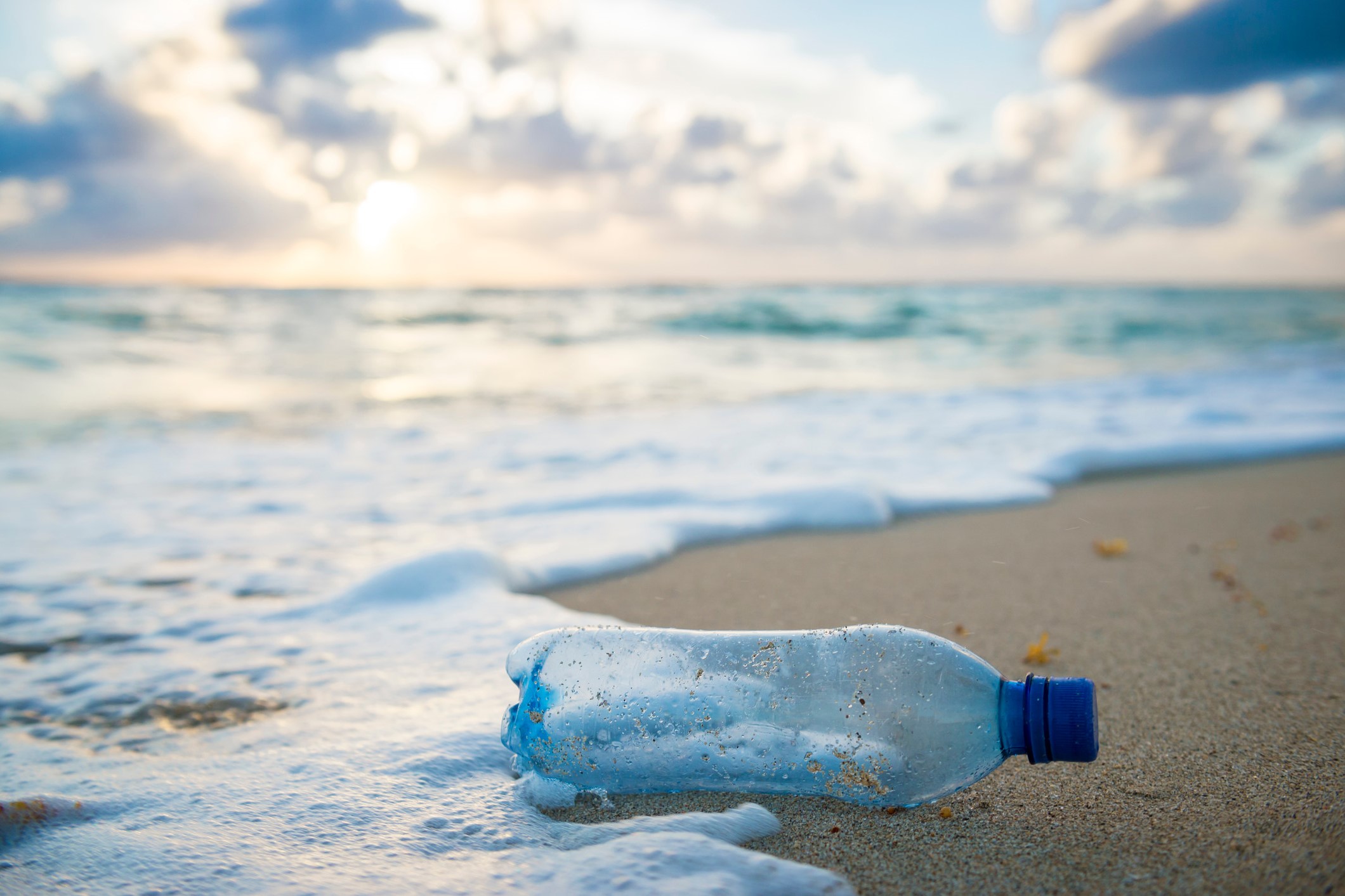
Fewer plastic wrappers and bottle tops are turning up on Sunshine Coast beaches, according to a CSIRO study.
The trend is nationwide, with coastal litter down by more than a third in a decade.
A 16 per cent jump in areas completely free from plastic waste has also been recorded by the national science agency.
The study surveyed inland, riverine and coastal habitats across six urban regions, recording lower levels of plastic pollution on the Sunshine Coast and at Newcastle and Perth.
However, more litter than before was recorded at Hobart and Port Augusta.
Want more free local news? Follow Sunshine Coast News on Facebook, LinkedIn and Instagram, and sign up for our FREE daily news email.
CSIRO senior research scientist Denise Hardesty was heartened by an overall 39 per cent reduction in plastic waste across Australia’s metropolitan coastlines.
“Although there are still areas for concern, it’s exciting to see a significant decrease in plastic pollution as people around the country are becoming more aware of the harmful effects of plastic waste on people, communities and wildlife,” she said.
Food packaging and other plastics remain the most prevalent source of rubbish on beaches, and flexible plastics are particularly dangerous for wildlife.
The surveys help identify hot spots and inform waste management responses, CSIRO research scientist Steph Brodie said.
“We found that areas with intensive land use and socio-economically disadvantaged areas tended to have higher levels of debris,” she said.
Drink cans were the most common item found in Hobart, food wrappers in Port Augusta and cigarette butts on the Sunshine Coast and at Newcastle and Perth.
Tasmania will launch a container deposit scheme in coming months, offering small refunds for certain types of bottles, cans, and cartons, like those already proving effective in a number of states and territories.
CSIRO has a goal of reducing plastic waste by 80 per cent through its research and work with partners.
Surveying by not-for-profit conservation group Clean Up Australia found plastic was still the biggest polluter, making up more than 80 per cent of all litter collected by volunteers in the 2024 financial year.
Most states and territories have been phasing out single-use plastics.