

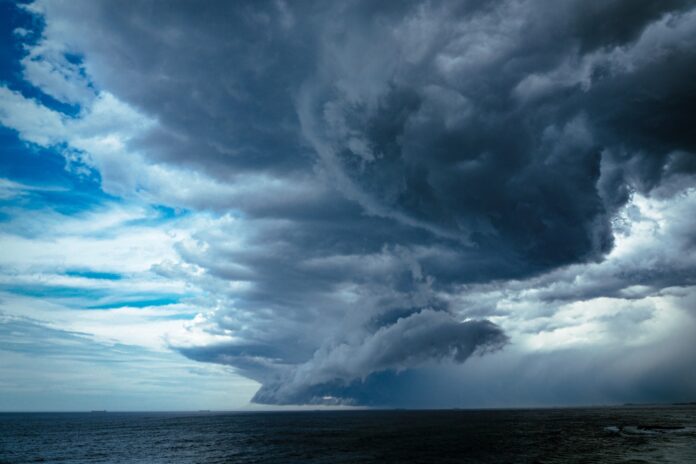
A University of the Sunshine Coast sociologist has detailed why misinformation and conspiracy theories were rampant online while Tropical Cyclone Alfred threatened the state’s south-east.
Dr Naomi Smith said social media fostered community support but also became a breeding ground for wild ideas as Alfred slowly made its way to the region.
“When a disaster actually hits, people show an intense willingness to help each other,” she said.
“But during that period of waiting or uncertainty, that is when the misinformation takes hold and can amplify distrust in official services and motives behind government directives such as asking people to stay home,” she said.
“This is when people can make risky decisions and ignore warning about things like floodwaters or hazardous beach conditions.”
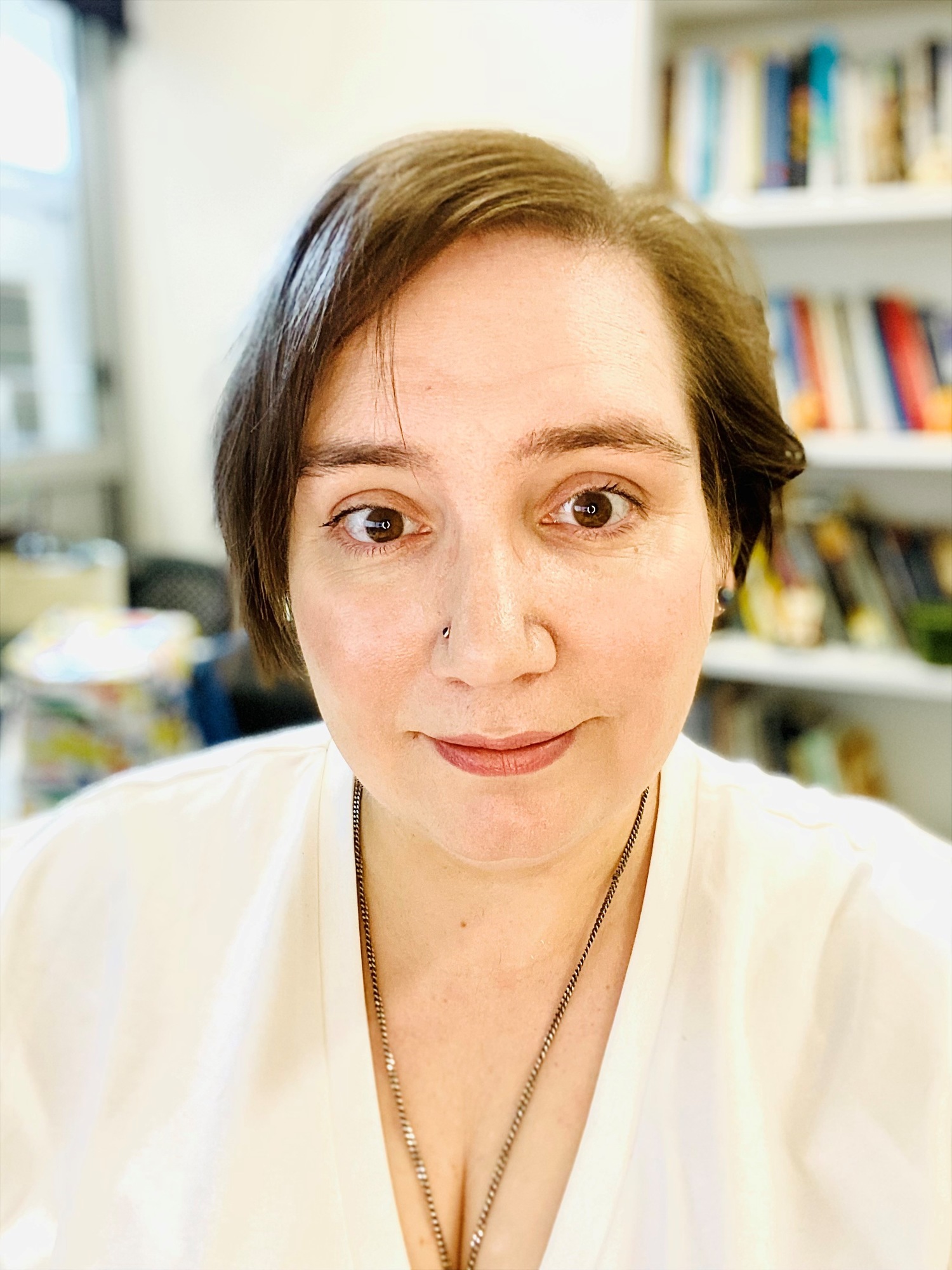
Cyclone Alfred’s later-than-anticipated arrival led to an enormous amount of theorising in online community groups – from disregarding weather warnings as “fearmongering”, to suggestions the cyclone was generated by various governments.
Want more free local news? Follow Sunshine Coast News on Facebook, LinkedIn and Instagram, and sign up for our FREE daily news email.
Dr Smith said such conspiracies were a way of making sense of a complex world and the uncertainty of a changing climate and society.
“We are seeing the impacts of climate change happening with greater frequency and intensity, and it’s difficult for us make sense of it all when we see a weather event as an isolated incident,” she said.
“It’s inconvenient and it’s scary, there’s a lot of fear and anxiety, and (some) people are looking for somewhere to put that anger.
“There’s no one to blame when the weather goes wrong: you can’t shout at a cloud.
“So it’s easier to believe the government is to blame than to believe the complex climate system is failing and that this is going to happen more often.”
Dr Smith said online community groups can be great places of community support during disasters but also provide a platform for people to make outrageous claims without moderation.
“In situations like this, where a huge amount of time passed between the initial warnings and seeing the effects, people start to let their guard down, so there’s a sensation of whiplash that can be really disorienting too,” she said.



