

Research suggests that feral horses have disappeared from Queensland’s largest island, north of the Sunshine Coast.
Ground and drone searches have shown no evidence of the animals since they were last seen on K’gari five years ago.
The monitoring was conducted by the Department of the Environment, Tourism, Science and Innovation in 2022 and 2024, and involved research fellow Dr Dave Berman from the University of Southern Queensland.
Senior ranger Linda Behrendorff said trail cameras had not captured any images of horses since the last confirmed sighting on August 26, 2019, around the Exploration Break northern inland area.
“Rangers haven’t found any evidence of feral horses during ecological monitoring in the northern lakes area, routine patrols, planned burn operations and weed control programs,” she said.
“Feral horses weren’t compatible with K’gari’s natural and cultural values, and we believe the last horse died naturally, which is great news for K’gari’s unique environment.

“The Queensland Parks and Wildlife Service would like to thank everyone who helped with our historical relocation project to remove the horses from the island.
“Those feral horses competed with native animals for food and water resources and had the potential to spread weeds throughout the island.
“Horses can cause significant damage to the coastal foredunes, natural waterways and grassed camping areas, resulting in erosion and changes in vegetation due to selective grazing.
Do you have an opinion to share? Submit a Letter to the Editor at Sunshine Coast News via news@sunshinecoastnews.com.au. You must include your name and suburb.
“Visitors and residents may recall some habituated horses became assertive, approaching and kicking vehicles and biting people.
“Adult healthy feral horses were too big to be hunted by dingoes, and while there was evidence of dingoes feeding on young and dead feral horses, they were not part of their usual diet.
“We will continue to monitor for feral horses on K’gari especially after flood events where they may potentially swim across from the mainland.
“We’re asking residents and visitors to report any horses or other potential feral threats such as pigs, cats or foxes they might see.”
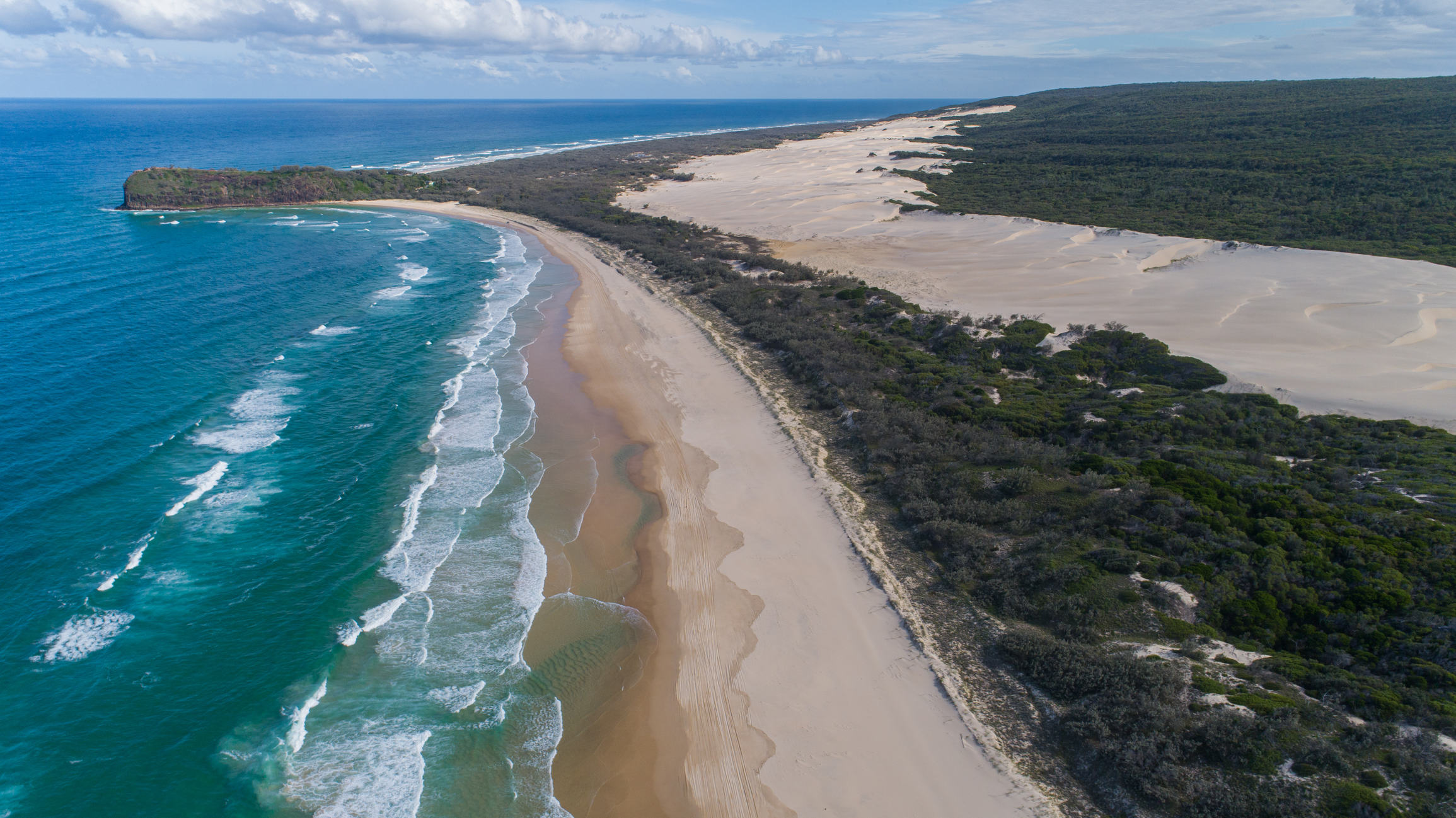
Horses were first introduced to K’gari in the late 1800s where they were bred for the English Army in India and later used to haul timber for the logging industry.
The feral horses on the island were descended from leftover stock, were not regarded as a specialised breed and by 1990 were considered a serious threat to the landscape.
In 2000, the feral horse population was estimated at 30, and they grazed in house yards, approached people aggressively for food and galloped through townships.
In 2003, rangers from the Queensland Parks and Wildlife Service worked with a rehoming organisation to capture feral horses and transport them off the island.
The feral horses were slowly habituated with hay and molasses and enticed into portable yards.
By August 2005, 28 feral horses had been removed from the island and rehomed on the mainland.
QPWS rangers implemented an ongoing monitoring program using trail cameras and on-ground searches for hoof-prints and droppings.
Over the years, residents or visitors to the island reported feral horse sightings, but there has been no evidence of feral horses since the last confirmed sighting in 2019.
Residents and visitors who see what they believe to be feral horses can report the sighting to K’gari rangers by calling 07 4127 9150 or emailing dingo.ranger@des.qld.gov.au.