
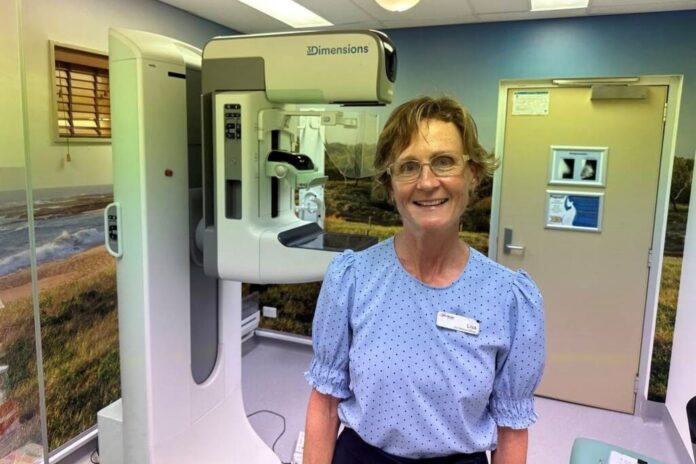
More than 12,000 local women have been recruited by BreastScreen Queensland Sunshine Coast to participate in a world-first study.
The study revolves around breast density and will help researchers understand the potential advantages and disadvantages of notifying women who undergo regular screens if they have dense breasts and how best to communicate with them.
Lead investigator doctor Lisa Hammerton said the response from women willing to participate had been overwhelming.
“We have seen a fantastic increase in the number of women having their first breast screen because of our Queensland involvement in this study,” she said.
While age remains the biggest risk factor for developing breast cancer, breast density can also increase the risk.
Other factors which can increase the risk include family history, lifestyle and a history of benign breast problems.
Study participants will be interviewed during the next two years to determine the psychological impact of being notified of their breast density, and if the way this information is communicated to them influences their response.
The data will contribute to a Roadmap to Optimising Screening in Australia project.
“Our data will provide information on the best way to notify women about their breast density risk and also review breast density assessment tools,” Dr Hammerton said.
“We have some way to go before there is enough evidence to make recommendations for personalised risk-based screening, but hosting this study is a step towards progressive client-focused changes.
“Until then, our goal is to see more women participating in the BreastScreen program and increase our participation rate from 52 percent, up to the national standard of 70 per cent.”
BreastScreen Queensland provides free breast cancer screening for women 40 and over. No doctor’s referral is required. Book on 13 20 50 or visit breastscreen.qld.gov.au.
Breast cancer facts
- A breast screen every two years is the best way to detect breast cancer early, well before you or your doctor can feel anything.
- One in seven women will develop breast cancer in their lifetime.
- Seventy-five per cent of women diagnosed with breast cancer are over 50. Younger women do get breast cancer, but the risk of breast cancer increases significantly after the age of 50.
- Nine out of 10 women diagnosed with breast cancer have NO family history of the disease. While women with a family history of breast cancer are more at risk, most women diagnosed have no family history of the disease.