
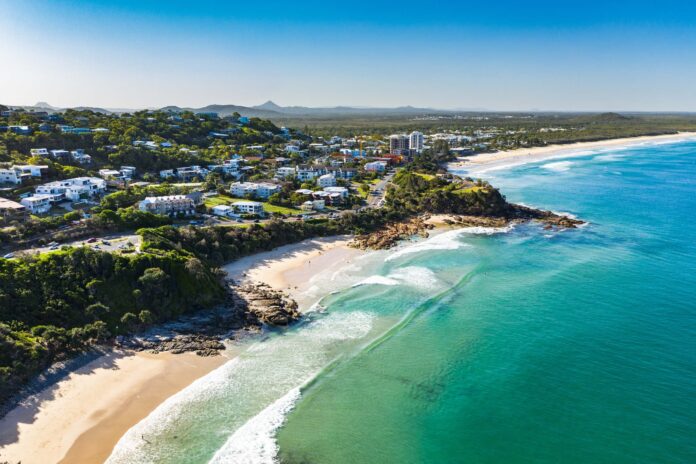
The Sunshine Coast remains the most popular destination for hordes of people leaving capital cities.
Millennials are leading the exodus from capital cities to regional areas, continuing a trend that began during COVID-19 pandemic restrictions and has been fuelled by high housing and living costs.
But people fleeing the city are not going far, overflowing to nearby regions that make up the five most popular destinations.
People fed up with expensive rents and long commutes continued to abandon Sydney, accounting for more than two-thirds of those who moved to a regional centre in the 12 months up to the end of March.
The exodus of people from state capitals was no longer a “quirky flow-on” of the pandemic but a sustained societal shift, Regional Australia Institute chief executive Liz Ritchie said.
“People are voting with their feet and making a very conscious decision to live in regional Australia,” she said.
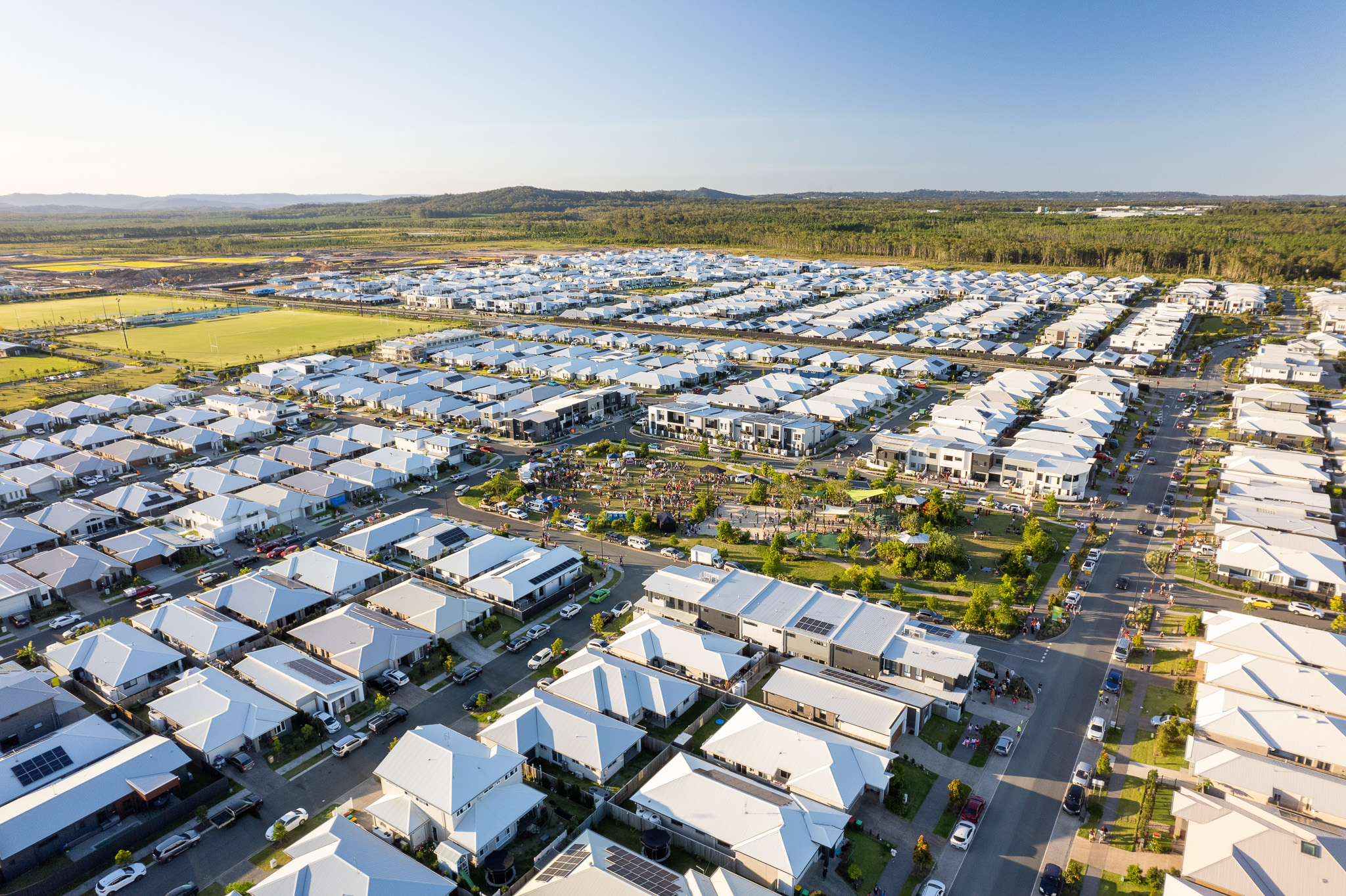
“With high house prices and cost-of-living pressures biting, many people are realising the regions can offer the lifestyle they want and the jobs they’re after – minus big-city problems.”
The Sunshine Coast remains the most popular destination for people leaving a capital city, while the Gold Coast is proving particularly popular with millennials.
Both are within 150km of Brisbane, while other desired destinations are also close to their nearest capital, with Lake Macquarie, north of Sydney, another popular choice.
Do you have an opinion to share? Submit a Letter to the Editor at Sunshine Coast News via news@sunshinecoastnews.com.au. You must include your name and suburb.
Greater Geelong and Moorabool, both within 100km of Melbourne, also made the top five most popular spots.
But there was a limit to how close people wanted to be, Ms Ritchie said.
“People living in ‘commuter belts’ on the outskirts of major metropolitan cities are relocating within a few years of moving there,” she said.
The institute’s regional movers index uses Commonwealth Bank data to identify growth trends and plan for infrastructure investment in the regions.
Sydney retained its top spot, shedding more residents than any other capital, but its outflow dropped to 67 per cent from 89 per cent in March 2023, while regional NSW inflows went from 23 per cent to 39 per cent.
More homes needed to be built to stem the flow of young people and families pouring out of Sydney and costing the city its dynamism, NSW Planning Minister Paul Scully said on Thursday.
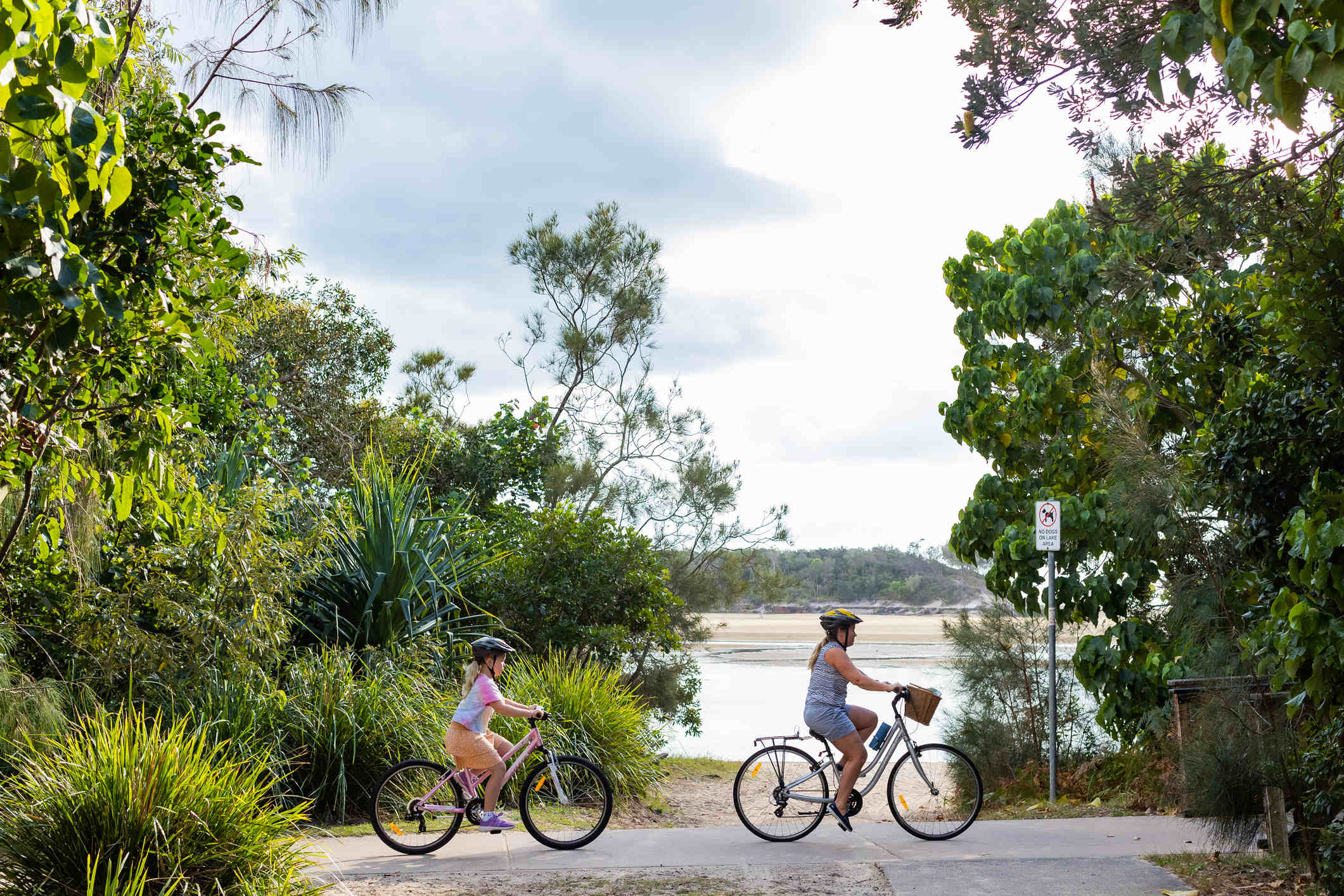
“That key age demographic, 30- to 40-year-olds, have been leaving at twice the rate they’ve been arriving over the last few years,” he said.
The government has announced changes to planning laws designed to increase infill development in the inner city and eastern suburbs, rather than continue adding streets to Sydney’s sprawling western fringe in a bid to deliver 377,000 new homes in five years.
Subscribe to our FREE daily news feed. All it requires is your name and email at the bottom of this article.