
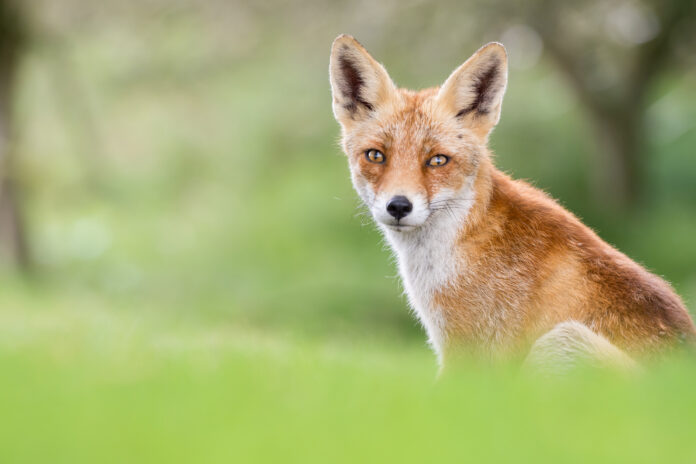
More than 45,000 native animals are likely to have been saved by a fox control initiative introduced by Sunshine Coast Council in 2015.
The Coastal Fox Control Program, which runs from autumn to spring, has led to the removal of 217 foxes.
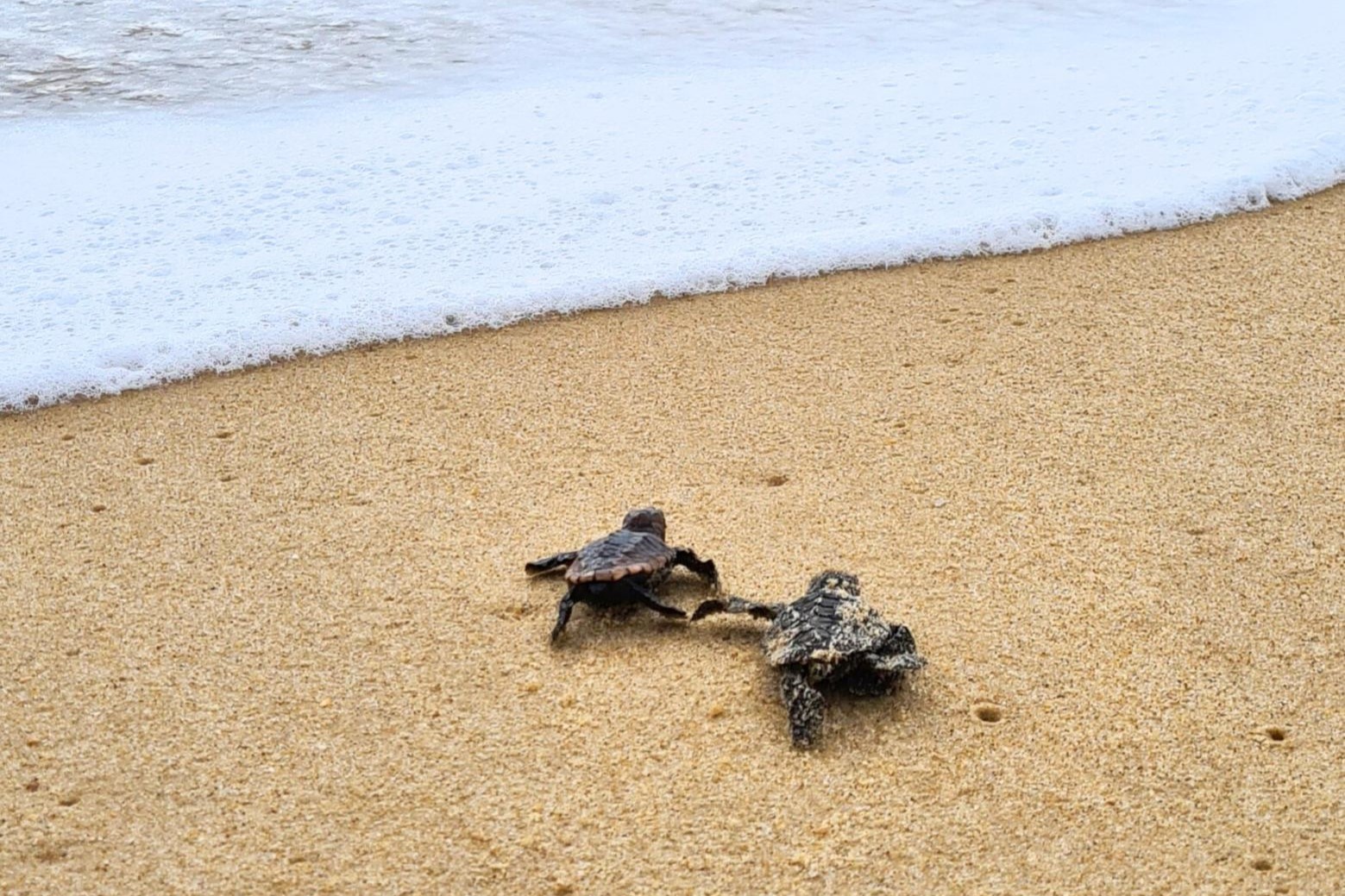
Council estimates that it has saved about 8100 native small mammals, 27,100 birds, 9100 reptiles, including turtle hatchlings, and 600 macropods.
This is based on studies of fox diets in the region, by council and the Department of Agriculture and Fisheries researchers.
Using data of animal remains in local fox scats, researchers developed a formula to estimate the number of animals a fox kills, and the number saved by removing the opportunistic predator.
The program aims to decrease fox populations at a time when they are most active and to reduce their predation on vulnerable native species, including the spotted-tail quoll, water mouse, eastern ground parrot and turtles at the crucial egg and hatchling stage.
Division 9 councillor Maria Suarez said keeping fox numbers down required a strategic, consistent approach backed by research and supported by the community.
“Foxes are a scourge and have had a devastating impact on our native wildlife, all across Australia,” she said.
“Our community is closely connected to nature and wildlife, so it is imperative we maintain these efforts to continue nurturing and enhancing our environment and quality of life.
“This targeted program complements our ongoing fox control throughout our region.”
Council officers use soft-catch foothold traps and chemical controls in areas of known fox activity between April and November, including council-managed and state-managed lands as well as some private properties. Traps are checked daily or continuously by telemetry camera.
Division 8 councillor Taylor Bunnag said all areas of operations for the program were identified with warning signs at all entrances and residents living in the area were notified in advance.
“This program covers a significant area stretching north of the Maroochy River to Peregian Springs,” he said.
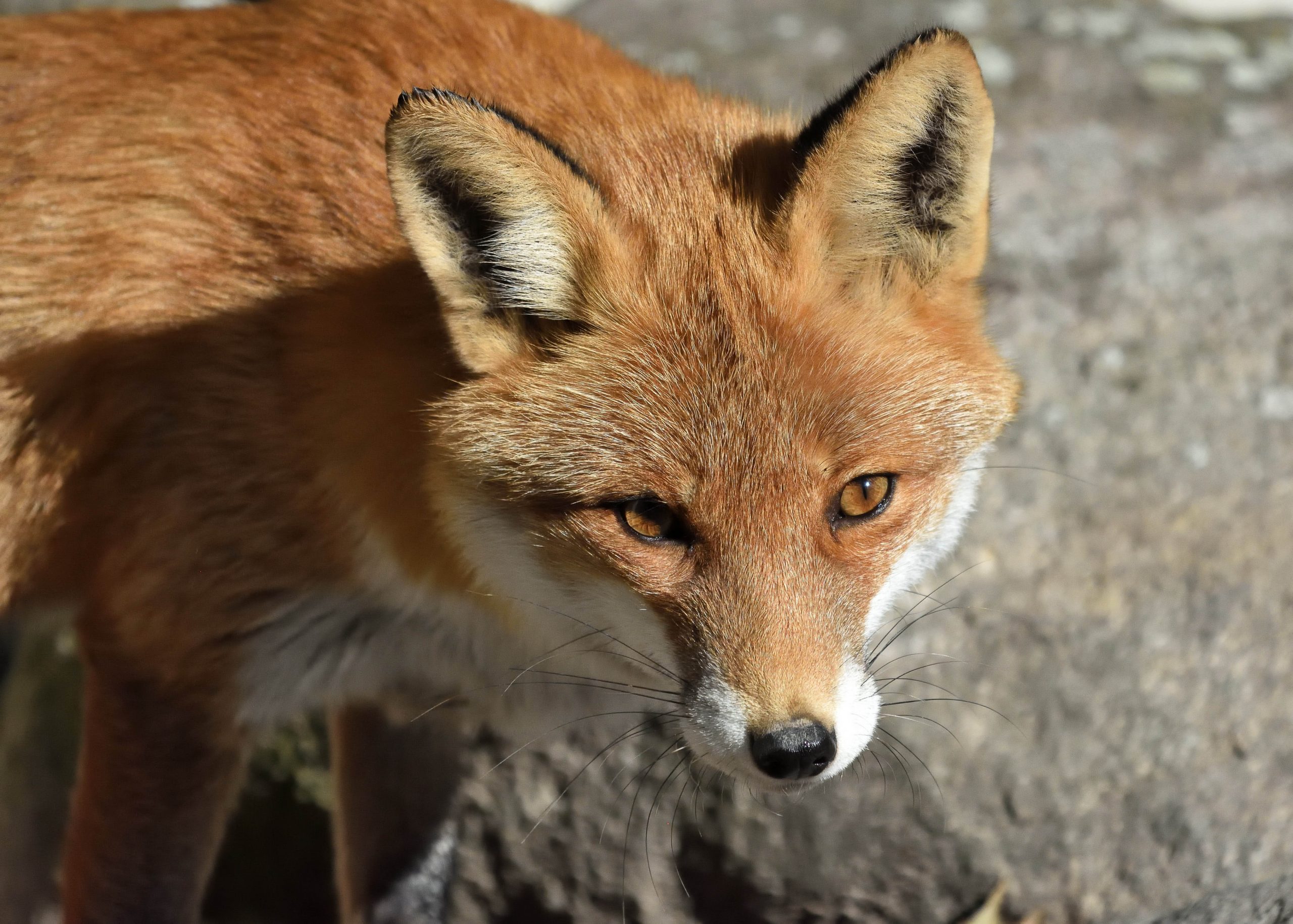
“We ask our residents and visitors to please heed all program signage and be sure to keep your pets out of vegetated areas for their safety.”
Under the Biosecurity Act 2014, managing invasive animals and plants is a key responsibility of council and Sunshine Coast residents.
In spring, during denning season when foxes reproduce, a conservation dog team will sniff out any dens across the control area.
Foxes found in active dens are euthanised under council’s policies and procedures, and in line with Queensland’s animal welfare laws.
The European red fox was introduced to Australia for recreational hunting in 1855 and has become a significant contributor to native animal decline across the nation.
The fox survives in many different habitats, including urban, alpine and arid areas.
Outside urban areas, it appears to be most abundant in lightly wooded areas typically found in agricultural landscapes, offering a wide variety of shelter and food.
The European red fox is a restricted pest under the Queensland Government Biosecurity Act 2014.
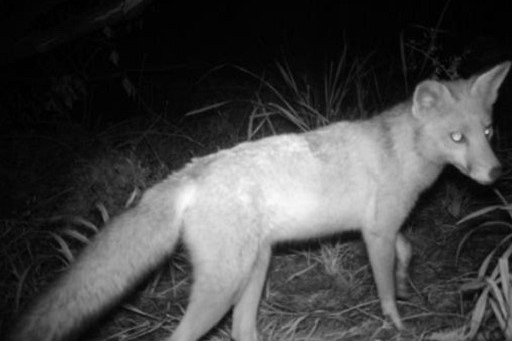
Foxes kill 567 million animals in Australia every year, according to figures released by the Invasive Species Council.
If you spot a suspected fox den in the program area, report it to council on 5475 7272. You can also view the fact sheet to learn how to identify a fox den on council’s website.
More information about the program is available on council’s website.
Like stories that inform, connect and celebrate the Sunshine Coast? So do we. Join an independent local news revolution by subscribing to our FREE daily news feed at the bottom of this article.