

Soaring temperatures could be a feature of Sunshine Coast weather this year.
After a warmer and drier 2023, locals can expect more of the same for the first three or four months of 2024 at least.
Bureau of Meteorology senior climatologist Brad Jackson has outlined his predictions for the rest of summer and the start of autumn.
“We’re looking at above-average temperatures on the Sunshine Coast from January to March, while the chance of exceeding average rainfall is low,” he said.
Mr Jackson said there should be above-average minimum and maximum temperatures.
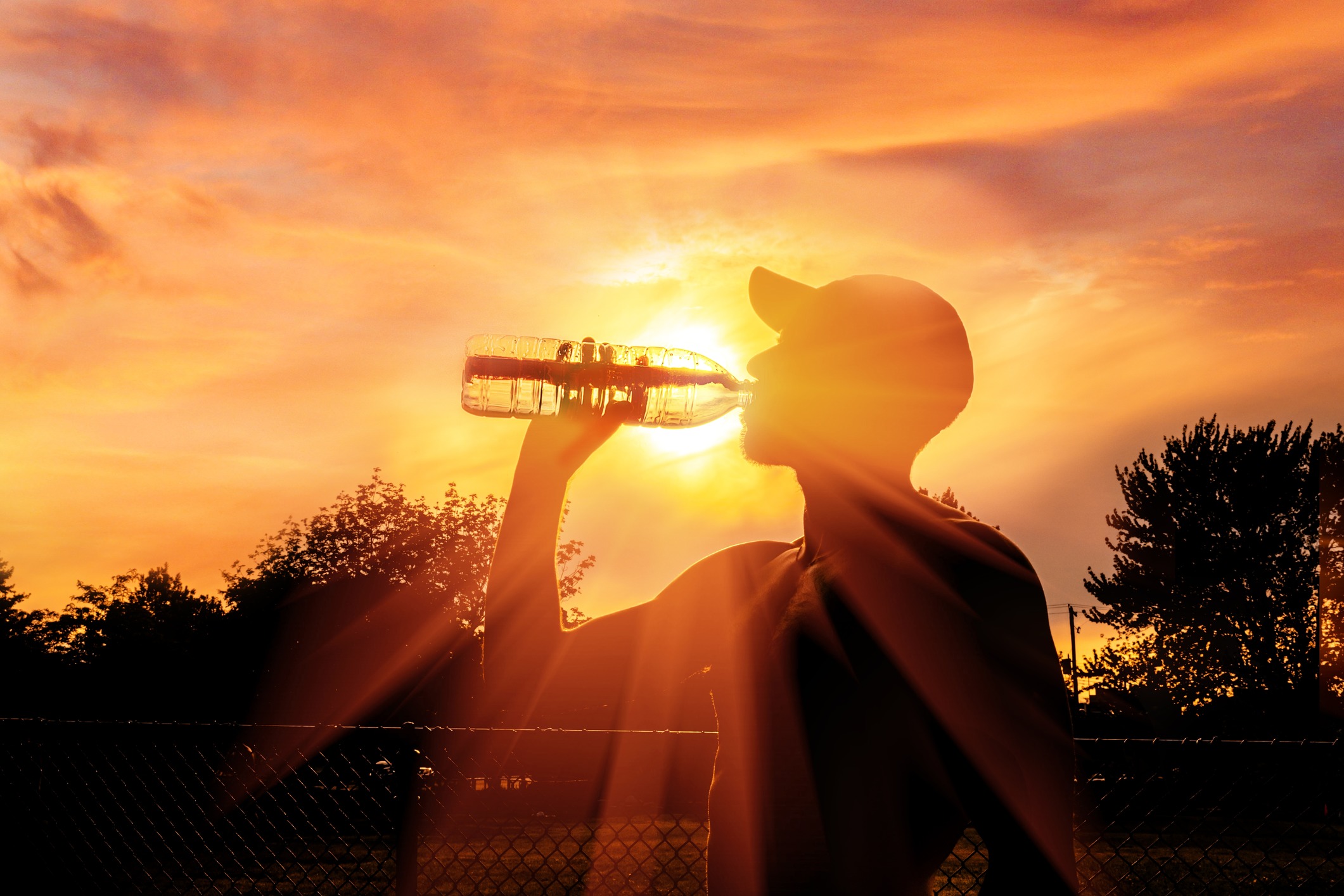
“There is a reasonably good chance of having some extreme temperatures and heatwaves from January to March – some extreme warmer days,” he said.
That means there could be more 30-plus-degree days in store for the region.
It’s also expected to be relatively dry, continuing a theme from last year.
In 2023, the Sunshine Coast received about 58 per cent of the rain it usually gets (about 850mm instead of 1450mm) and despite a downpour on January 2, drier than usual conditions are expected in coming months.
“The chance of exceeding average rainfall on the Sunshine Coast is low for January to March,” Mr Jackson said.
“El Nino is not likely to break down and return to neutral until early autumn so we’re still going to have that influence over Queensland and that will definitely impact the Sunshine Coast.”
Related story: Water levels plummet as state body reveals plans
Mr Jackson said it was difficult for the BOM to forecast beyond March, but he expected much of the same.
“It looks like that warmer trend and that drier trend will probably continue into April,” he said.
Mr Jackson said weather patterns worldwide were trending one way.
“With climate change we’re definitely expecting drier and warmer conditions globally, and the Sunshine Coast won’t be immune from that process,” he said.
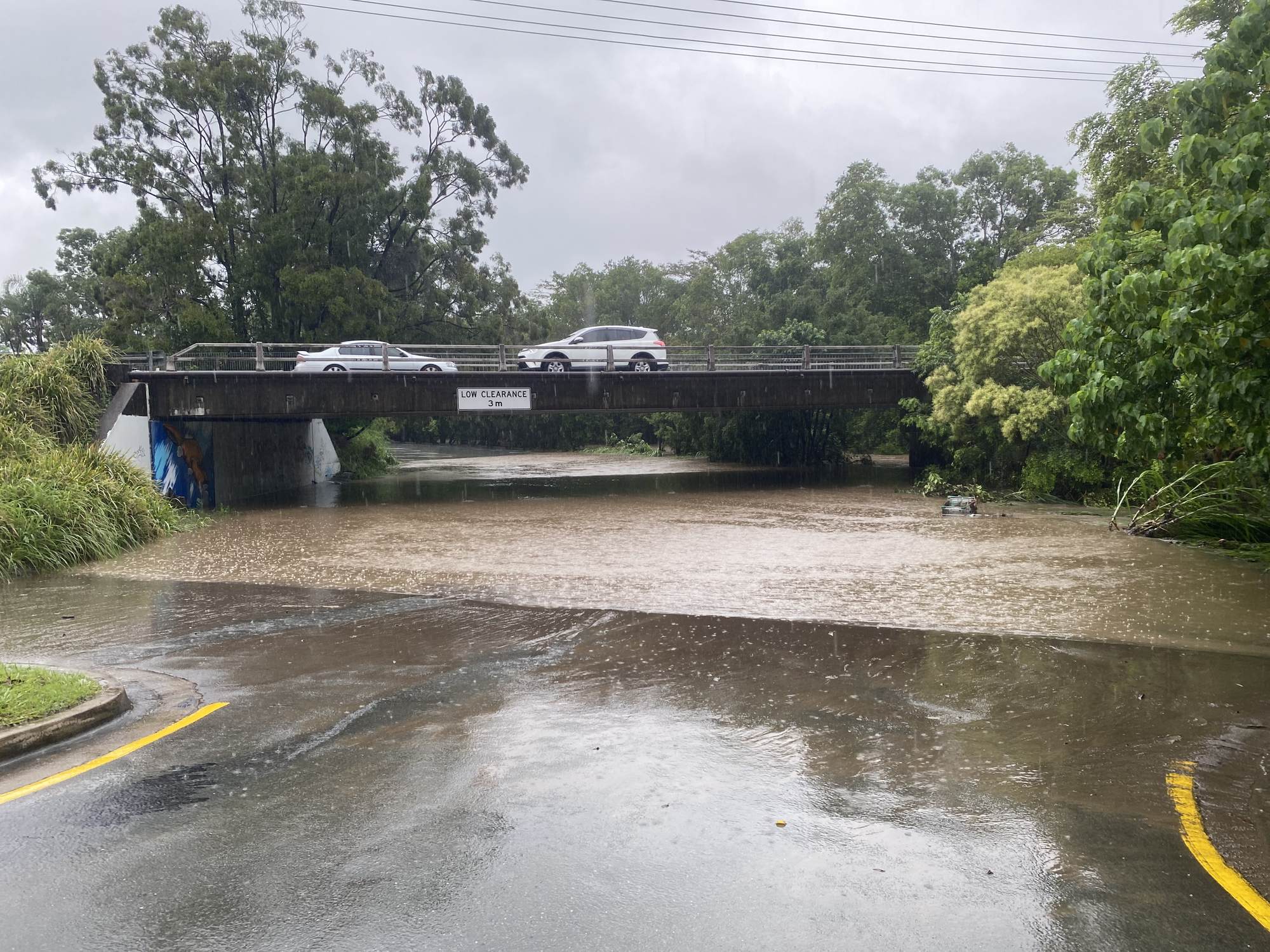
That’s not to say the region won’t get some significant falls, and it could be intense at times, as evidenced by the downpour on January 2.
“Even though there is a drier outlook from January to March, that doesn’t mean it won’t rain,” he said.
“It will still rain but it will likely be below-average rainfall.
“So, if you normally have 400mm in a month, you may only get 200mm.
“Or you could get 100mm in an isolated event and then nothing for the rest of the season.
“The occurrence of extreme weather events like storms and thunderstorms is part and parcel of climate change.”
Subscribe to our FREE daily news feed. All it requires is your name and email at the bottom of this article.