

Rigorous research into a mite causing itchy, infectious skin diseases in mammals is now helping Australia’s effort to stop a deadly mange in wombats.
After three years of researching the molecular biology and genetics of the wombat mite, a University of the Sunshine Coast-led collaboration has been awarded a New South Wales government grant.
The extra funds will allow the team to determine the most effective drug treatment to stop the disease spreading in bare-nosed wombats.
UniSC researcher and project lead Dr Kate Mounsey said there was optimism about the success of repurposing a drug currently used to control fleas and ticks to treat infected wombats.
But she said more evidence was needed to assess the dosage, delivery, target activity in the mite, and the ecological impact of the drug.
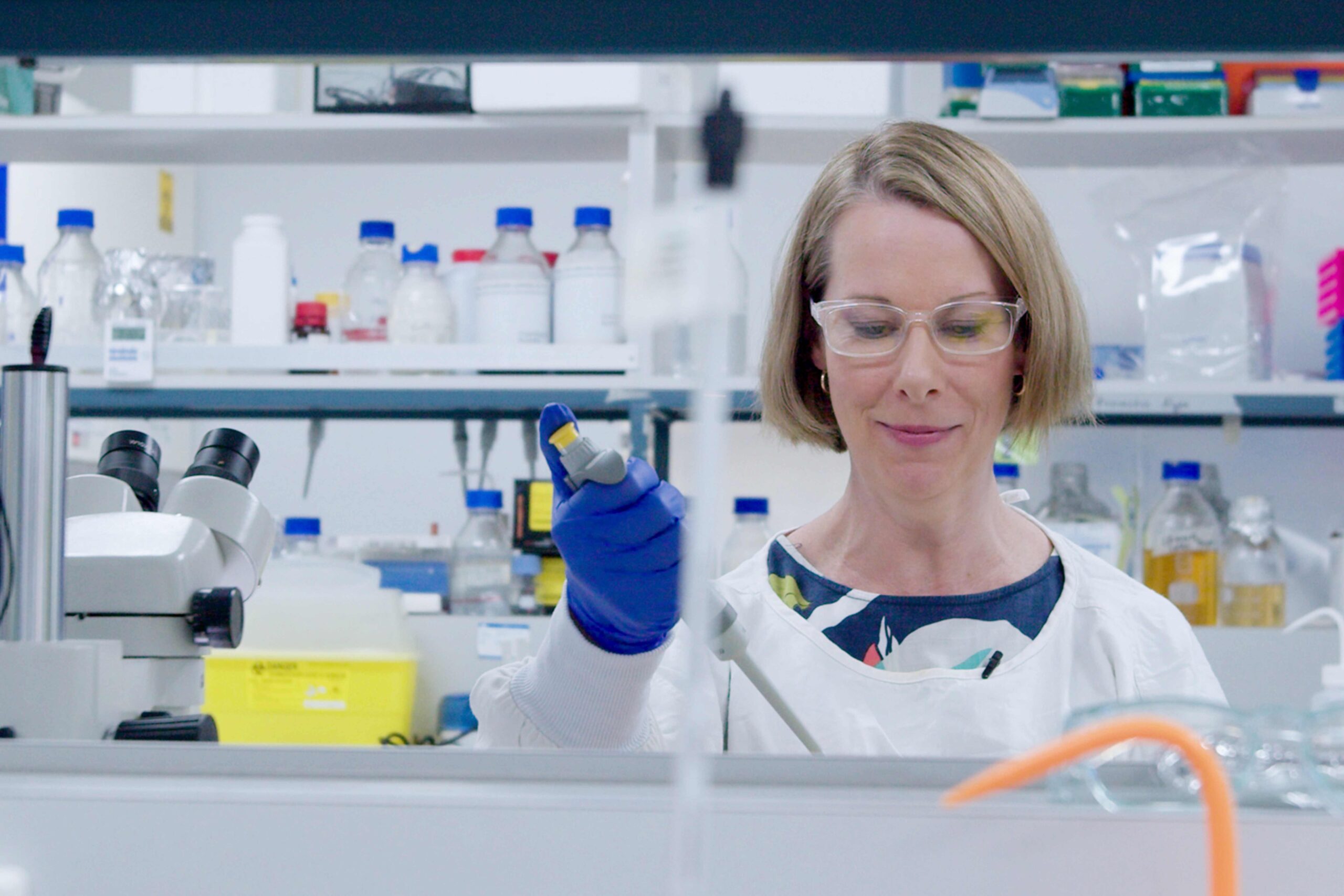
Dr Mounsey, who has two decades of experience in researching scabies in humans, said sarcoptic mange in wombats was caused by a similar microscopic, parasitic mite.
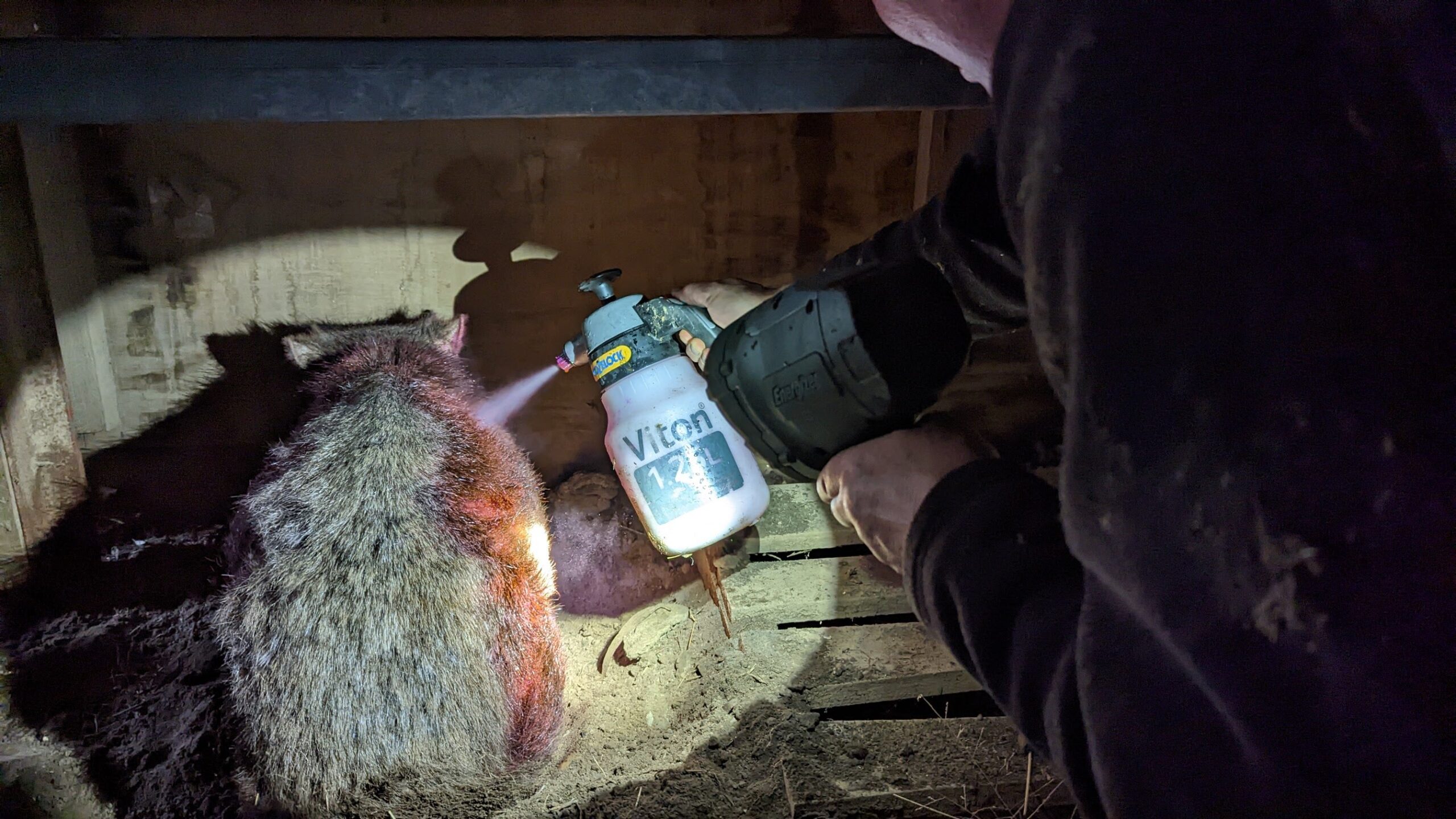
“It results in severe skin crusting, scratching, hair loss and death due to malnutrition or secondary infections if left untreated,” she said.
“It is a serious welfare issue for bare-nosed wombats in south-eastern Australia, with high prevalence in many areas of New South Wales.”
Dr Mounsey, UniSC Professor of Pathophysiology Robert Harvey and PhD student Kotaro Takano said participating in fieldwork had revealed the severe distress of infected wombats and the challenges faced by wildlife carers trying to treat the animals in the wild.
In a publication in the International Journal for Parasitology, the UniSC team outlined the extent of the problem and the challenges of current treatments.
“We are working to better understand the genetics of the drug receptor genes in the scabies mite and their specific interactions with current treatments,” Dr Mounsey said.
The $120,000 grant was awarded by the NSW National Parks and Wildlife Service Curb Wombat Mange research program.
“With this project, in partnership with the University of Canberra and two wombat rescue organisations, we will closely monitor treatments in severely infected wombats that are being rehabilitated,” she said.
“This will include clinical and behavioural assessments of the wombats.
“We will also address concerns around the development of drug resistance by measuring the mite-killing activity of treatments and test the success of different drug delivery formulations on mites.”
She said the ultimate goal was to prevent the spread of sarcoptic mange in one of Australia’s most iconic marsupials.
The project builds on a recent national study funded by the Australian Research Council and led by the University of Tasmania.
Help us deliver more news by registering for our FREE daily news feed. All it requires is your name and email at the bottom of this article.