
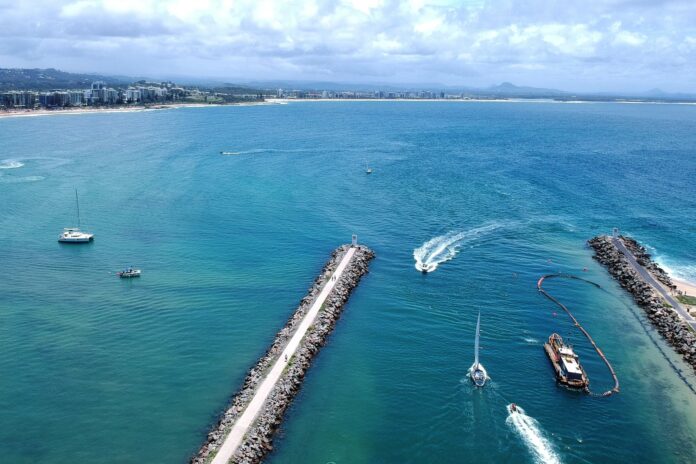
The state government put some options on the backburner, including an extended rock wall, when it considered recommendations to address a hazardous harbour entrance on the Sunshine Coast.
Officials last month announced a two-stage long-term strategy to manage shoaling at the Mooloolah River mouth, after an independent review that followed the tragic death of experienced skipper Robert Smith in August.
They decided to dredge the Buddina Sand Trap, to remove 100,000 cubic metres of sand from an area east of Point Cartwright, before it drifts into the river mouth, and place the sand on local beaches. They also decided to deepen the entrance channel by excavating the underlying rock.
But there are other options authorities rejected, for now.
They include extending the eastern breakwater, shortening the western wall, and installing a permanent automated sand bypassing system.
RPS Consulting, which compiled the review, stated that the first of those would likely have the most impact.
“A 60m extension to the existing eastern breakwater is the preferred engineering solution,” the report stated.
“The objective is to intercept the majority of the northward sand drift before it can enter the navigation channel.
“A design report for this project has been completed, and it is considered the most effective long-term solution to reduce channel sedimentation.
“It offers improved control over sediment transport, reduced frequency of shoaling, and enhanced reliability of entrance access. It also demonstrates stronger alignment with long-term management goals, particularly those aiming to improve navigability at all times.”
Help us deliver more news by registering for our FREE daily news feed. All it requires is your email at the bottom of this article.
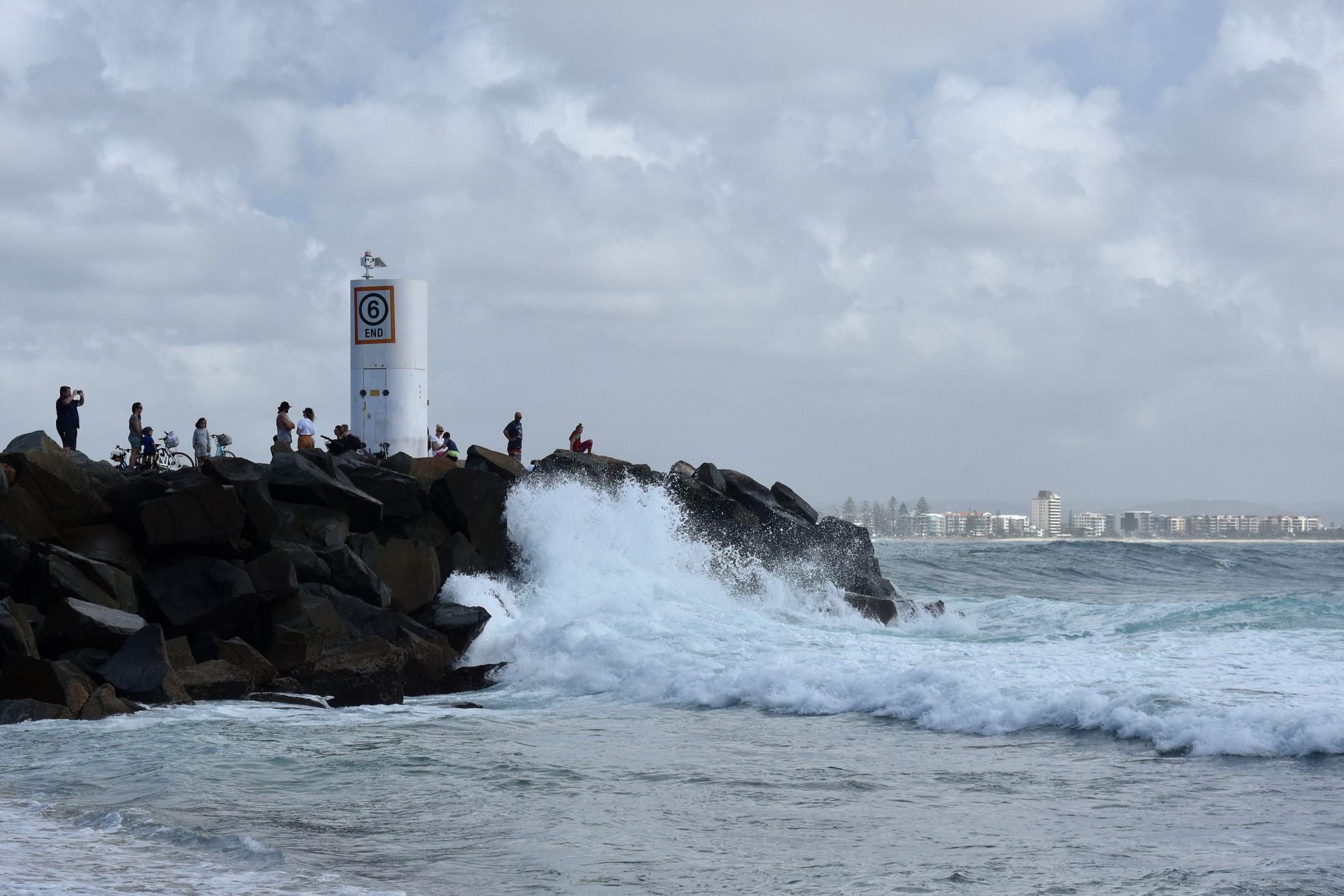
But RPS stated that it could be imposing.
“We recognise that there has been community hesitation toward more structural approaches, with a preference expressed for softer measures where feasible,” the group stated.
“Our team aligns with this preference and supports the principle of applying the least intrusive option that can still deliver meaningful improvement.”
RPS also highlighted an option involving the western wall, including “removal of a section of breakwater wall to create a wider western channel for safe access during adverse shoaling conditions”.
The group stated that the idea “ranked well due to its extremely low environmental and social impact and modest cost”, but there could be drawbacks.
“Its high score reflects its suitability as an operational enhancement, not as a comprehensive sediment management solution. It does not reduce shoaling frequency, improve bypassing efficiency, or address the root causes of entrance instability. Its value lies in improving clarity, user confidence, and safety messaging during early shoal formation, rather than resolving the underlying problem.”
RPS also detailed a permanent automated sand bypassing system option, but stated there could be drawbacks.
“This option involves a permanent system to mechanically transport sand from the updrift side of the bar (Point Cartwright) to the downdrift side (Mooloolaba Beach),” it said.
“While technically feasible, the capital and operational costs, as well as the environmental impact and visual amenity, require detailed consideration.”
RPS ultimately recommended the government proceed with the Buddina Beach Sand Trap option and to further develop and detail the rock excavation of the entrance.
But RPS also urged the government to then re-assess and “monitor results to validate performance and inform future refinement, including potential combinations of measures if required”, essentially leaving the door open to the other options, including the eastern breakwater extension.
“It (the eastern breakwater extension) option is recommended to be considered as a later-stage intervention, following … softer measures,” it said.
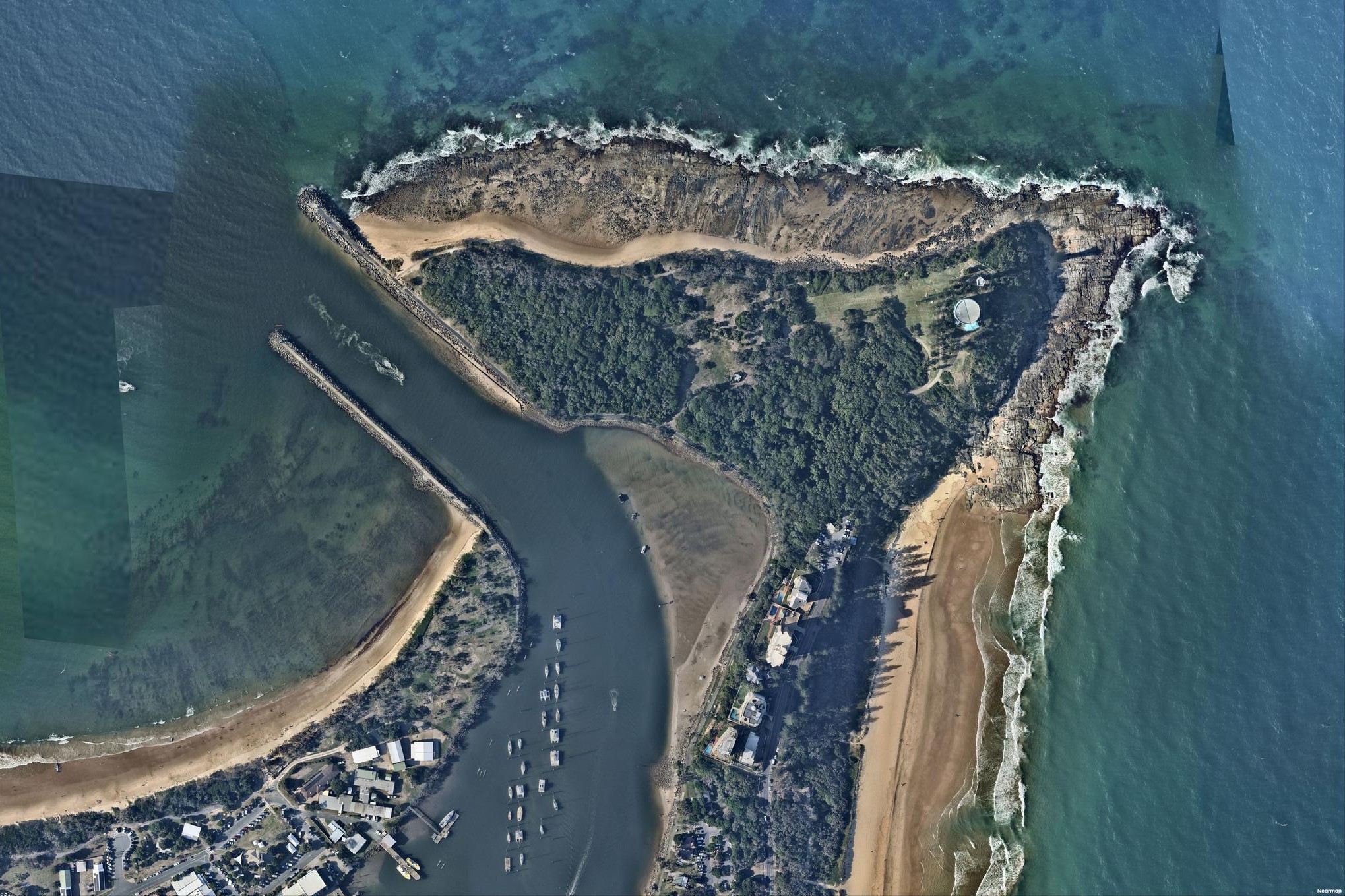
RPS detailed some of the benefits of the sand trap and channel entrance excavation that the government decided to pursue.
They said the sand trap “represents a low-impact and low-risk opportunity to address entrance shoaling”.
“It is expected to provide measurable improvements while introducing limited disturbance to existing beach conditions. Given that nature of the works is removal of sand only from an agile environment, it is likely to proceed more efficiently through environmental and approval pathways.
“(The channel entrance excavation option) scored well but remains at an early, concept stage. Advancing its design in parallel would ensure that a more refined version is ready.
“The concept involves excavating approximately 100m by 150m (approximately 90,000 cubic metres of rock, sand, clay) of the existing channel down into the underlying rock substrate, forming a stable, deeper basin.
“Over time, sand would naturally settle within this zone. Once the trap nears capacity, accumulated material would be dredged and transferred, ensuring beneficial reuse of the sand for beach nourishment while maintaining safe channel depths.”
Sunshine Coast News asked the state government several questions, including why it did not adopt the other options.
A spokesperson for the Department of Transport and Main Roads, which includes Maritime Safety Queensland, said authorities were committed to making the harbour entrance safer.
“The Queensland Government is taking action to manage shoaling at the Mooloolah River bar on the Sunshine Coast, after receiving and accepting recommendations from an independent report,” they said.
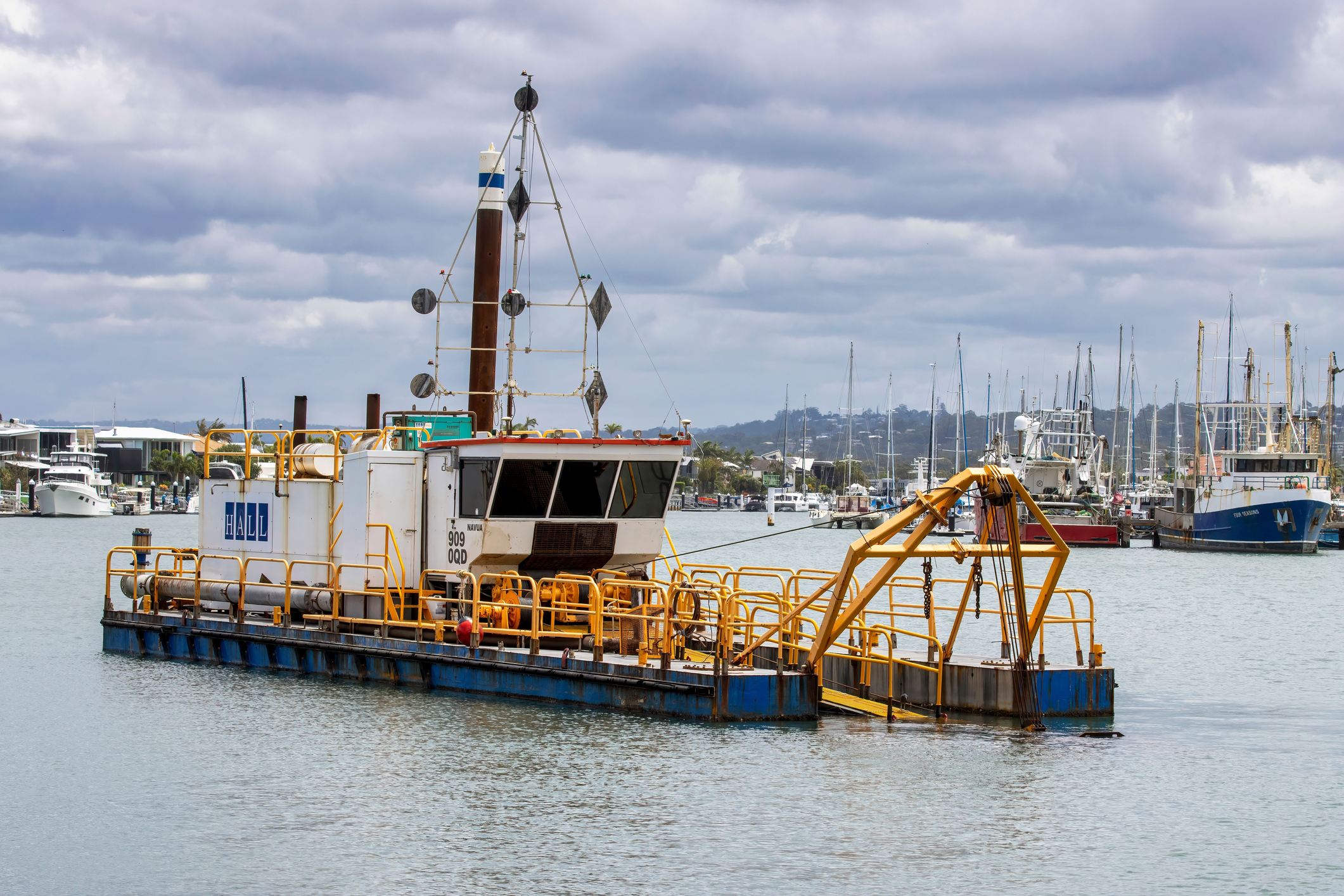
Authorities’ short-term response to the shoaling is to continue dredging, improve monitoring, consider trailing suction hopper dredgers (a different dredge type), and explore the availability and cost for rapid‑response dredging when required.
The government’s responses to the independent review came less than a week after the introduction of legislation to create the controversial Sunshine Coast Waterways Authority, which it says will give locals a greater say in how their waterways are managed.