
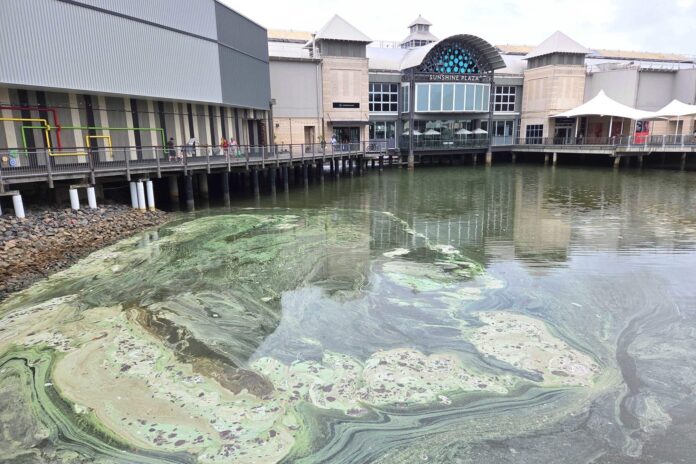
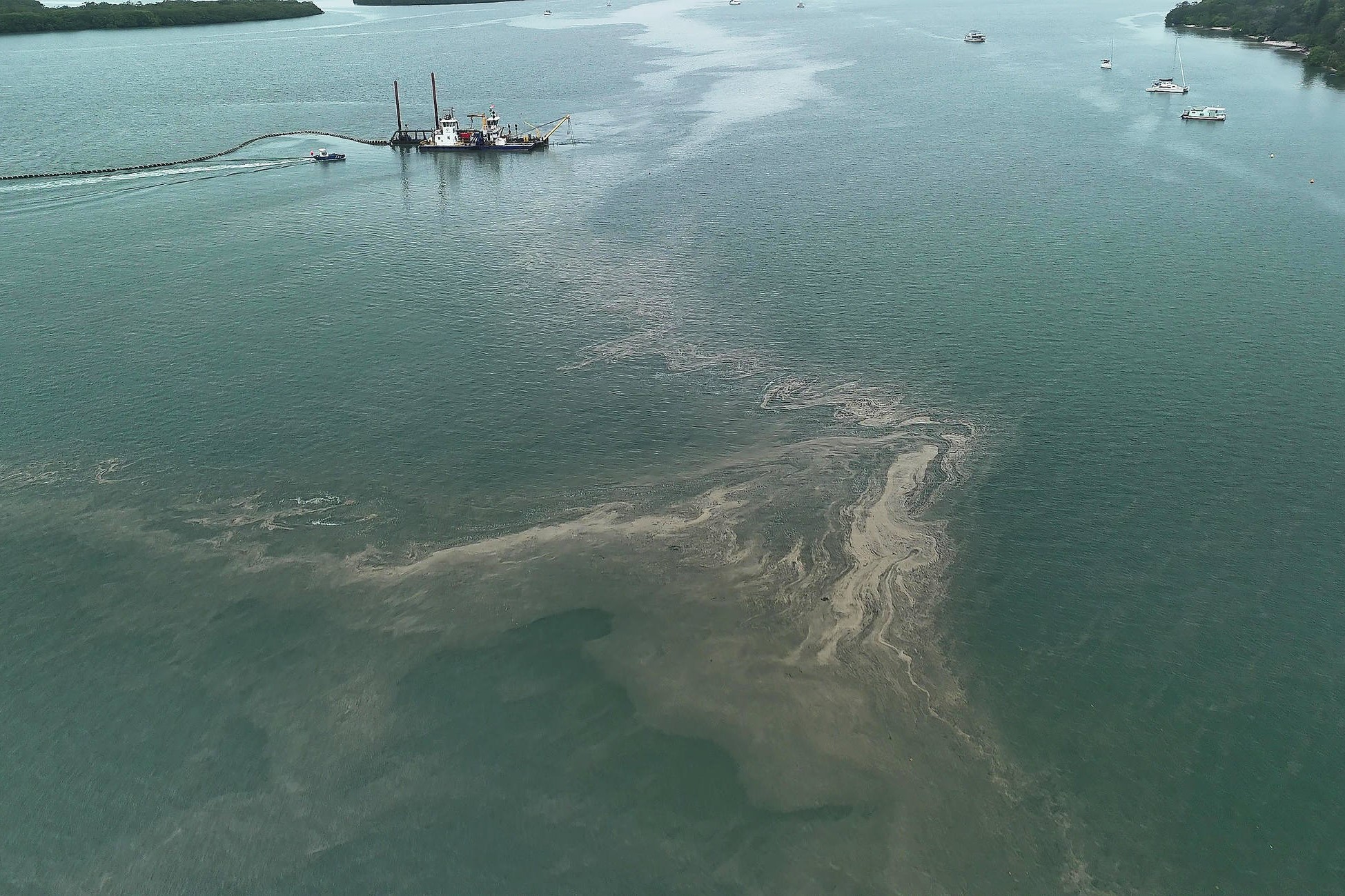
A colourful and sometimes pungent algae has turned heads at beaches, rivers and canals along the Sunshine Coast.
The green water was reported from Caloundra to Noosa, including within Cornmeal Creek beside the region’s largest shopping centre, Sunshine Plaza.
Authorities confirmed it is Trichodesmium – also known as sea sawdust, whale food and sea scum – and that it is usually harmless but should be avoided as a precaution.
A Sunshine Coast Council spokesperson said the algae is most commonly seen from September to March and during extended calm periods.
“Trichodesmium are Cyanobacteria (blue-green algae) that appear naturally in tropical and subtropical ocean waters, like the Sunshine Coast,” they said.
Want more free local news? Follow Sunshine Coast News on Facebook, LinkedIn and Instagram, and sign up for our FREE daily news email.
“It can move into our waterways with the tides.
“The algae is part of the marine food chain and is generally not harmful. It can easily be washed off with clean water.”
The spokesperson explained why it is colourful.
“Gas vacuoles cause it to rise to the water surface, where it forms clumps, which on close inspection appear to consist of little brown bundles of threads.”
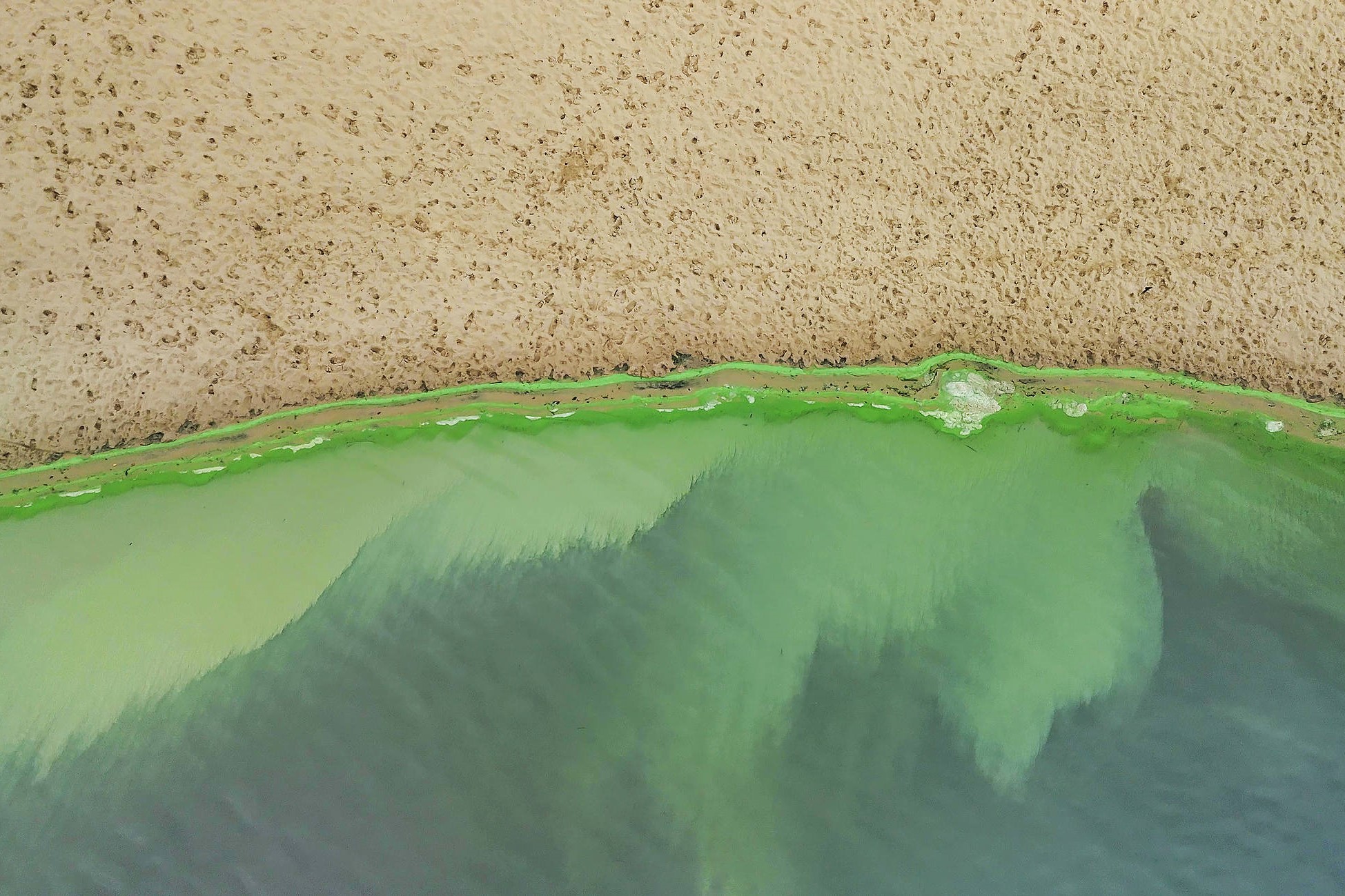
“These bundles are just visible to the naked eye, appearing like tiny flecks of sawdust floating on or near the surface.
“The combination of calm conditions, northerly currents and warm water temperatures causes increased growth, with cell density often becoming great enough to colour the water creating a bloom.
“If allowed to stagnate, Trichodesmium can release a clear, water soluble toxin.
For more local news videos SUBSCRIBE to our YouTube channel. Just click here.
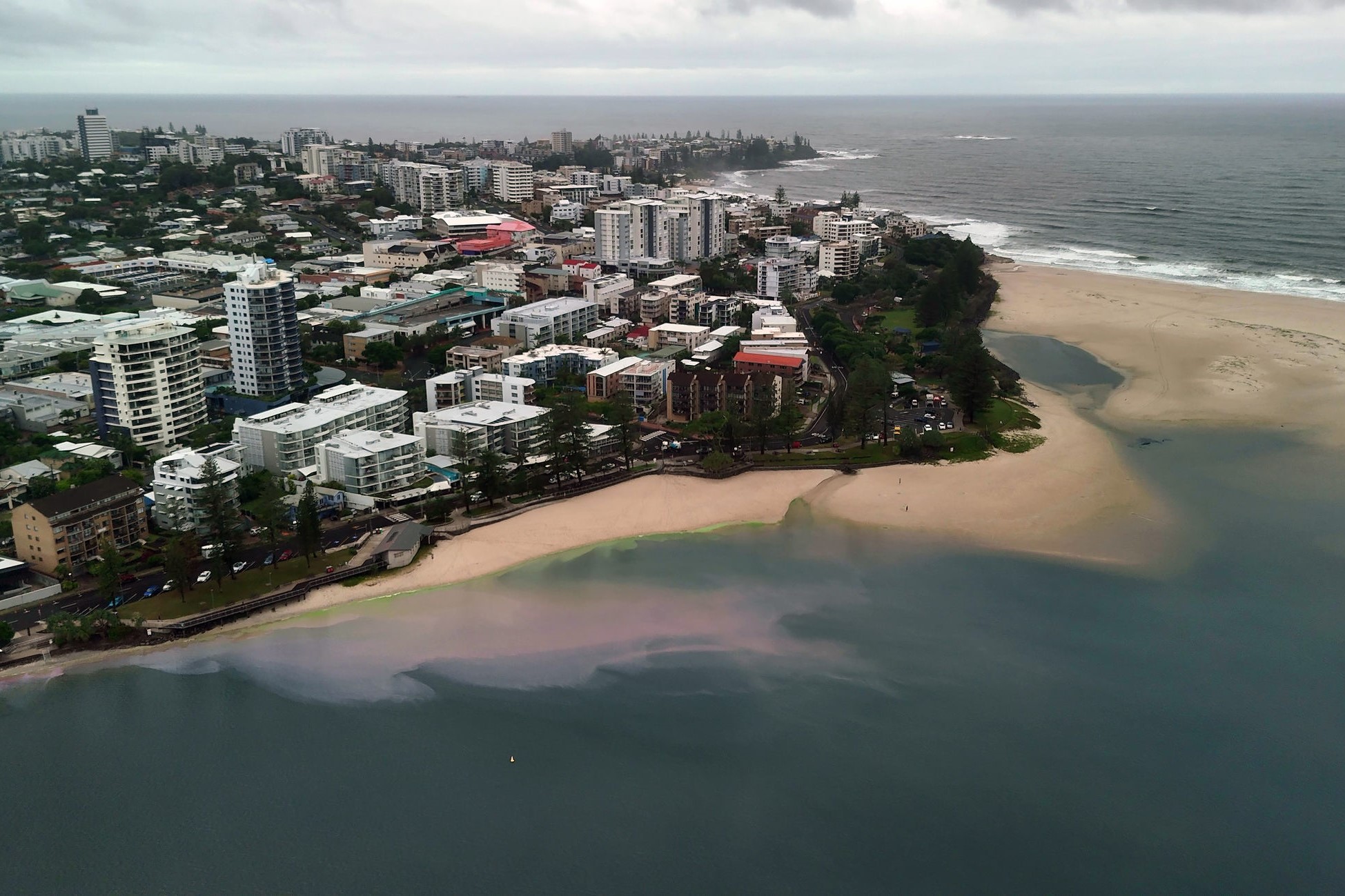
“This is indicated by a change in colour of the Trichodesmium filaments from a rusty brown colour to a green colour accompanied by the release of a pigment which will colour the water pink. It is this pink colour in the algae that reportedly gave the Red Sea its name.
“In most cases, the blooms are harmless but if they deplete the oxygen content of the water, they can cause death to aquatic animals.”
A Sunshine Coast Health Environmental Health spokesperson said the algae presented minimal risks but urged people to steer clear just in case.
“In higher concentrations, Trichodesmium can produce an unpleasant odour, however this is not harmful,” they said.
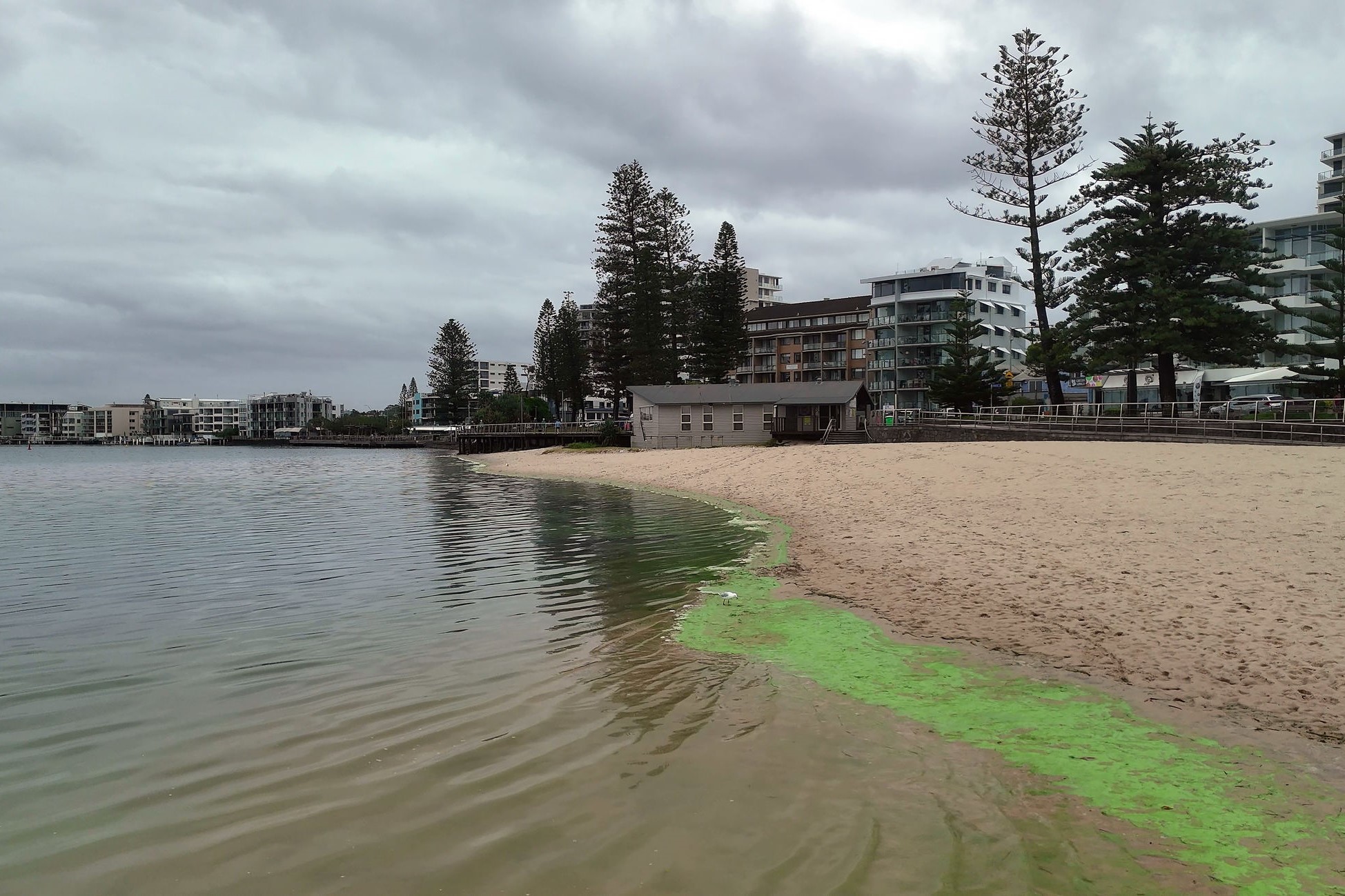
“(But) as with other algae, including blue-green algae, some species are capable of producing toxins and other compounds as they break down in sunlight, which can potentially irritate the skin.
“For this reason, health advice is precautionary.
“Members of the public are advised to avoid swimming where algal scums are present or where stagnant water allows blooms to form.
“If skin contact occurs, people should rinse with clean water as soon as possible.
“Water containing algae should not be ingested, noting that toxins may persist for up to two weeks after surface scums dissipate.
“Anyone who experiences symptoms or feels unwell following contact or ingestion should seek medical advice.”