
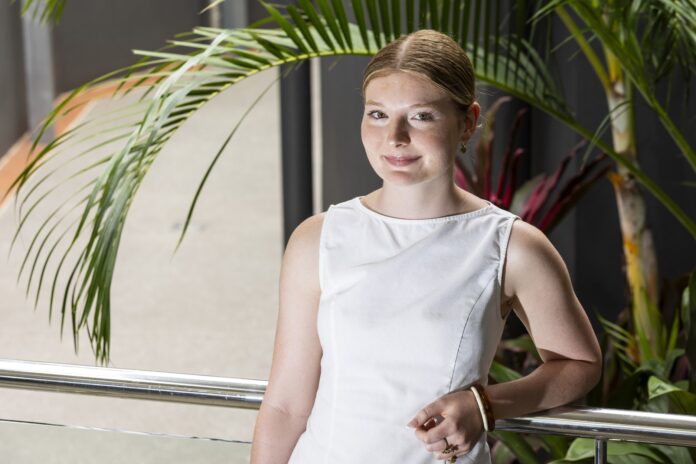
Queensland students, including from the Sunshine Coast, have been congratulated for “incredible” ATAR results.
More than 30,160 Year 12 students in the state obtained their Australian Tertiary Admissions Rank results last week.
The highest possible rank of 99.95 was achieved by 37 students, while more than 24 percent of eligible students received a score of 90 percent or above.
The ATAR is a percentile rank between 0 and 99.95, which indicates a students’ position relative to their nationwide peers within the same age group for a given year.
Minister for Education John-Paul Langbroek commended the Queensland graduates on their efforts.
“Despite several severe weather challenges across the state this year, graduates have received incredible results and should be so proud of their achievements,” he said.
“Today’s graduates are the state’s future doctors, dentists, engineers, teachers and technicians, and it’s exciting to see them take this milestone step in their education journey.
Queensland Tertiary Admissions Centre CEO Chris Veraa said the release of ATARs represented a significant moment for graduates.
“We know that today is not only a celebration for Year 12 students, but also for their families, their teachers and their wider school communities, who have been there every step of the way,” he said.
Want more free local news? Follow Sunshine Coast News on Facebook, LinkedIn and Instagram, and sign up for our FREE daily news email.

Matthew Flinders Anglican College principal Michelle Carroll commended the school’s cohort of Year 12s, who received a median ATAR of 92.28.
“Our college community is delighted for all of our 2025 graduates,” principal Michelle Carroll said.
“We thank our staff for their exceptional guidance and commitment to our students’ wellbeing and academic growth.”
More than 15 per cent received an ATAR of 99 and above and more than 80 per cent received an ATAR of 80.
Dux Natalie Gilmore achieved an ATAR of 99.9. She achieved A grades for all six senior subjects, including a perfect score of 100 in English.
“My plans for the future are still undecided but I am truly grateful that I have so many options,” she said.
“Next year, if I stay in Australia, I am planning on studying law and/or engineering in Melbourne or Sydney. I’ve also recently been accepted into the University of St Andrews in Scotland and have undergone the interview process for the University of Cambridge in England studying English. If I can manage to source a scholarship, attending either university overseas would be a dream come true.
“My time at Flinders has given me a real passion for learning … I will definitely miss all of my amazing teachers at Flinders.”
St Andrew’s Anglican College principal Karen Gorrie celebrated the “exceptional achievements” of the school’s Year 12 group, who had a median ATAR of 90.4
“These outstanding results are a testament to the hard work of our students, the expertise of our staff and the unwavering support of our families,” she said.
“Our graduates leave St Andrew’s confident, respectful and compassionate.”
Nine percent achieved an ATAR of 99 or above, with 52 per cent attaining 90 or above.
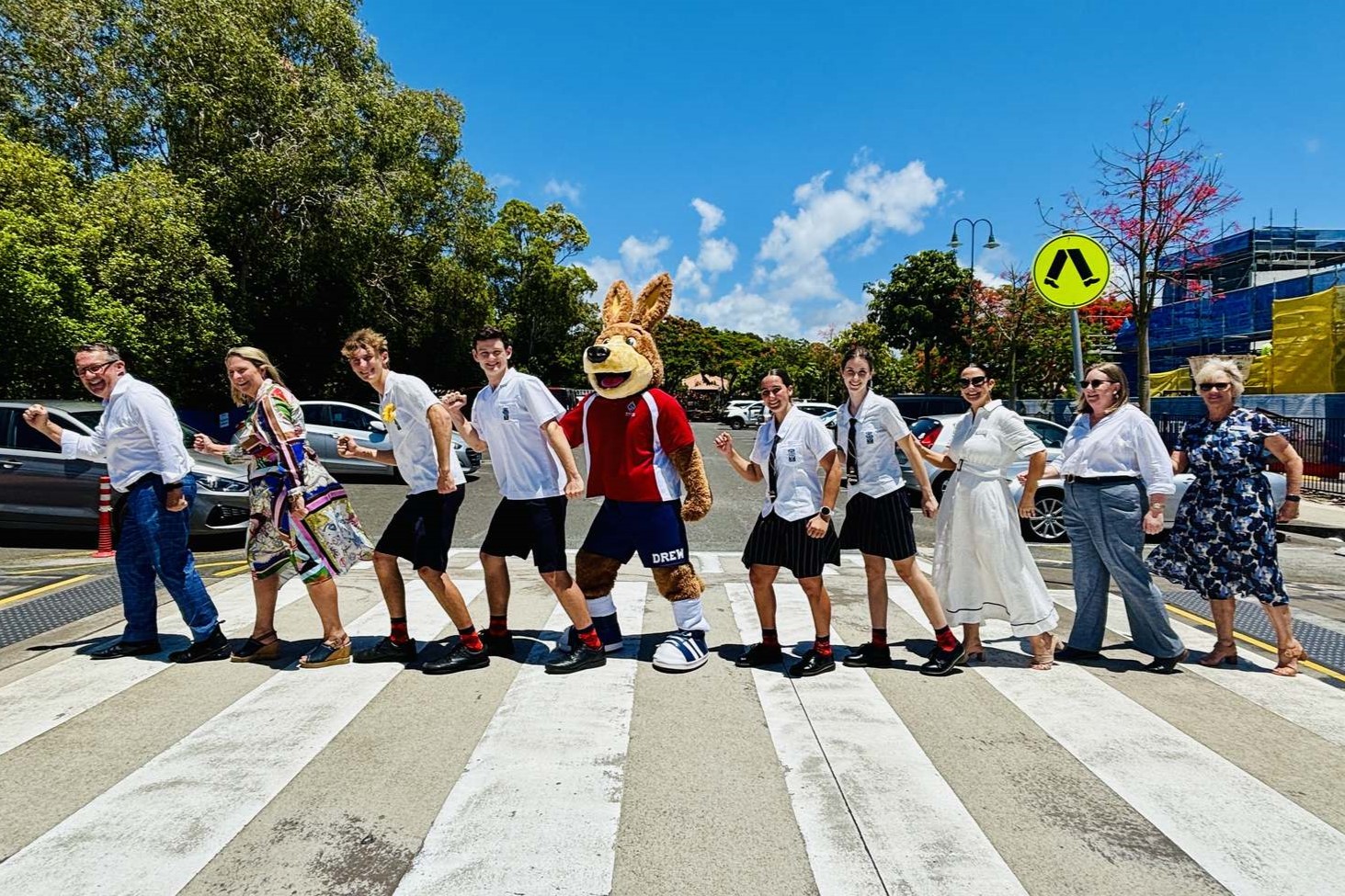
Sophie Turner was one of 18 St Andrew’s students to receive straight As.
“To me, this reflects not only my hard work but also the incredible support of my family and teachers,” she said.
“It gives me confidence to move forward and use my education to contribute to others, with the hope of making a meaningful difference in the world.”
Dux Alex Hancock will study a double degree in engineering and mathematics at UQ, after receiving his ATAR.
“This achievement means a lot to me because there were countless times in the process where I thought it wasn’t possible to get it,” he said.
“There were moments I thought my subjects wouldn’t scale high enough or that I’d left an assignment too late … but consistency and the right study methods made all the difference.”
More than 57,900 Year 12 students graduated in Queensland and 52 percent received an ATAR.
Many graduates will utilise other avenues to access tertiary education at universities and TAFEs, while others will pursue courses and work experience to take the next steps in their careers.