
100% Locally Owned, Independent and Free

100% Locally Owned, Independent and Free

Council encourages residents to take steps to reduce insect breeding grounds

Do you have a news tip? Click here to send to our news team.

Aussie World’s $60m waterpark expansion approved

The Sunshine Coast is set to be home to a new waterpark after Aussie World’s proposal to build a $60 million facility was given More

Life-changing call for $13.9m prize home winner

The moment the winner of the Sunshine Coast’s record-breaking $13.9 million prize home was told he had struck it rich has been captured on More

Custom-made garbage truck deployed on sandy island

A state-of-the-art garbage truck has been rolled out to overcome unforgiving terrain at a world heritage-listed Queensland island. Waste management company Remondis Australia has deployed More

Photo of the day: lucky ducks

Have you got all your ducks in a row today? Photographer Nick Collins captured this flock of ducks on a lake at Parklakes Wetland More

Police officer stood down over alleged assault

A senior constable from the North Coast Region has been stood down over an alleged assault committed on duty. The 56-year-old man has been charged More

Australia’s oldest-known dinosaur fossil identified

Australia's oldest dinosaur fossil has been identified more than 60 years after a Brisbane teenager found it while fossicking in a sandstone quarry. The 18.5cm More

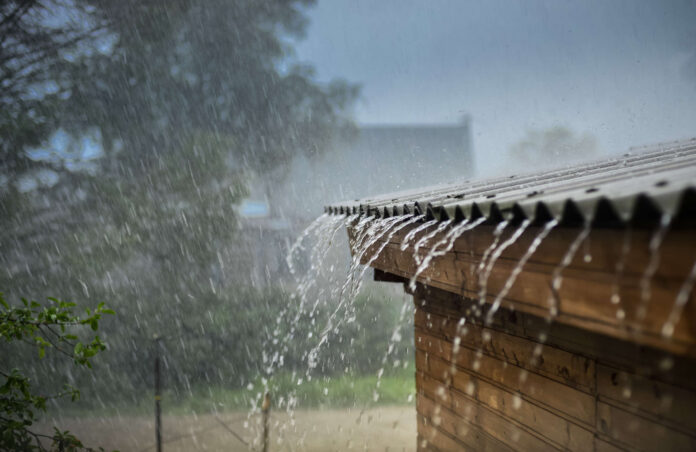
Recent rainfall has sparked a surge in mosquito activity across the Sunshine Coast, with a council urging residents to take action to prevent breeding around their homes.

Saltmarsh mosquitoes are common across the region and Noosa Council has stepped up monitoring and treatment of tidal marshes, particularly after high tides over 1.6 metres in the Noosa River.

Freshwater areas, including local dams, drains and low-lying backyards, have also become breeding grounds following the wet weather.

Noosa Council environmental health coordinator Haylee Fox said controlling mosquitoes was essential as some species could transmit diseases such as Ross River virus.

“Mosquitoes can breed in everyday backyard items like bird baths, plant pots, wheelbarrows, and anything that holds water,” Ms Fox said.

“Eggs can remain dormant for months and hatch within days once activated by water.”

Residents across the Sunshine Coast are being urged to take simple steps to reduce mosquito breeding, including emptying or removing water-holding containers weekly, keeping gutters clear, screening tanks, maintaining pools and drains, and checking properties for standing water.

To protect against mosquito-borne diseases, experts recommend wearing long, loose-fitting clothing, using repellents containing DEET, picaridin or oil of lemon eucalyptus, installing screens on windows and doors, protecting infants with pram and cot nets, and avoiding outdoor activity at peak mosquito times at dawn and dusk.

More tips are available on the Queensland Health website.

Subscribe to SCN’s free daily news email

This field is for validation purposes and should be left unchanged.
This field is hidden when viewing the form
[scn_go_back_button] Return Home
Share