

The Sunshine Coast continues to attract droves of new residents from around the country, although its popularity has slightly cooled.
The booming area retained its position as the favoured regional destination for the ninth consecutive quarter, according to the latest Regional Movers Index.
However, its share of net internal migration has declined as people look further afield.
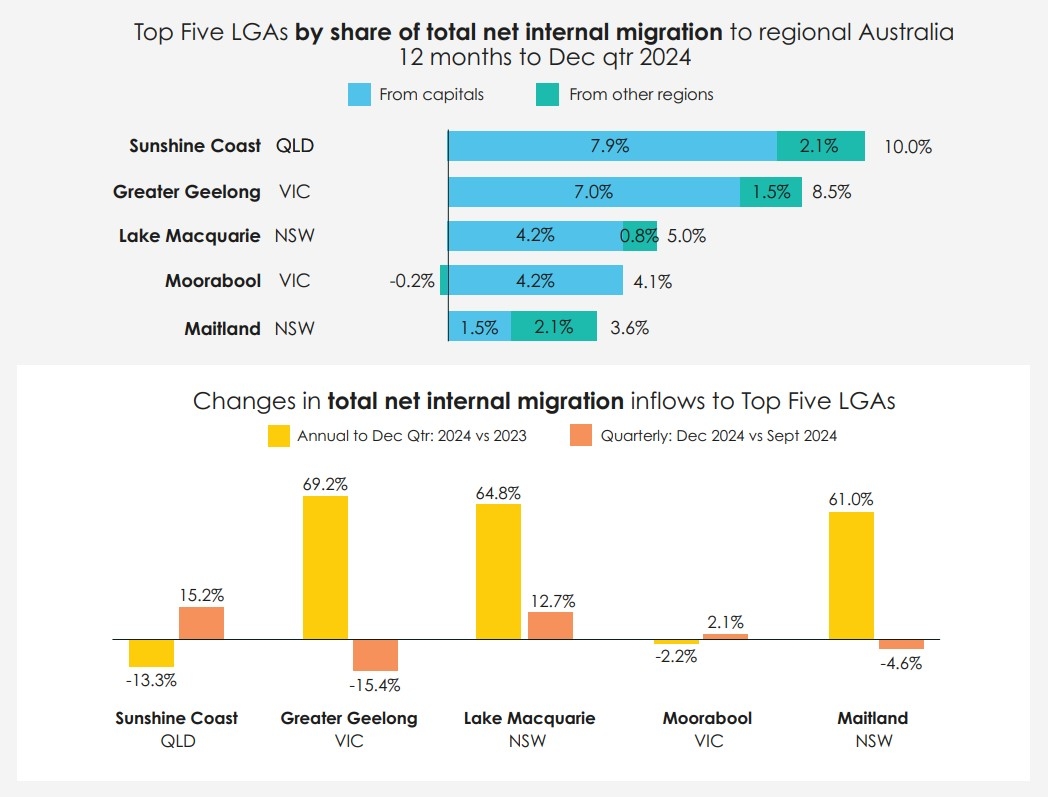
The top choice for city and regional movers, the Sunshine Coast accounted for a 10 per cent share of net internal migration in the 12 months to December, down from 17.5 per cent a year ago.
It remained the most popular destination for city dwellers for the eighth straight quarter but its 7.9 per cent share of net capital-to-regional migration was down on its 13.4 per cent share a year prior.
The Sunshine Coast also remained the top destination for movers from regional areas, for the seventh consecutive quarter, but its 5.9 per cent share of net regional migration was its lowest in almost two years.
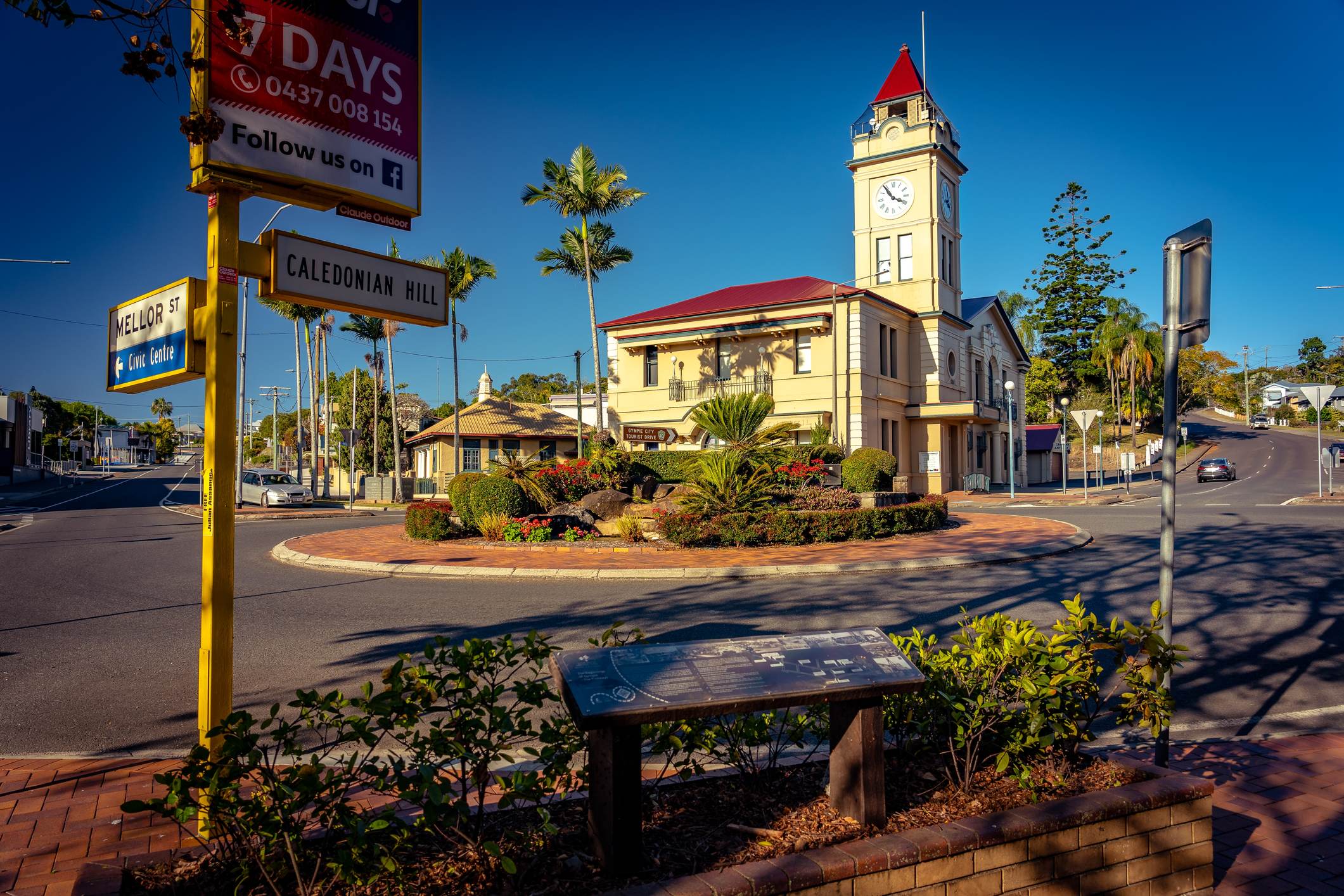
Meanwhile, nearby Gympie was rapidly gaining traction to signal a shift in migration patterns as regional residents move further afield.
Gympie mayor Glen Hartwig lauded his town’s attributes.
“It’s a country feel and … genuine people who care for you even if they don’t know you,” he said.
“If you want Pitt Street in Sydney, that sort of pace, I suggest you stay there.”
The town had a 4.1 per cent share of net regional-regional migration.
The quarterly index is compiled by the Regional Australia Institute using Commonwealth Bank customer data to track the changing demographics of the nation.
The institute’s chief executive Liz Ritchie said the growth of towns like Gympie was part of a sustained pattern of people moving to areas further afield of major regional hubs.
“It’s why we must ensure communities have the infrastructure, funding and support they need to ensure they can continue to welcome new residents,” she said.
Want more free local news? Follow Sunshine Coast News on Facebook, LinkedIn and Instagram, and sign up for our FREE daily news email.
Mr Hartwig also said Gympie, like all growing regional towns, needed greater support from state and federal governments to improve infrastructure.
The region could then offer housing on generous parcels of land near expanses of nature, he said.
“That’s not a lifestyle that everyone gets to have, but with the right investment … that’s what we can give to people.”
Meanwhile, Noosa attracted 0.8 per cent share of total net internal migration, with a 21 per cent decrease from a year prior.
Brisbane and Perth were the only capital cities to attract new residents from other cities and the regions in 2024, while people left Sydney and Melbourne in droves.