

It took some time to arrive but when the weather system formerly known as Tropical Cyclone Alfred finally reached the Sunshine Coast it made a powerful impact.
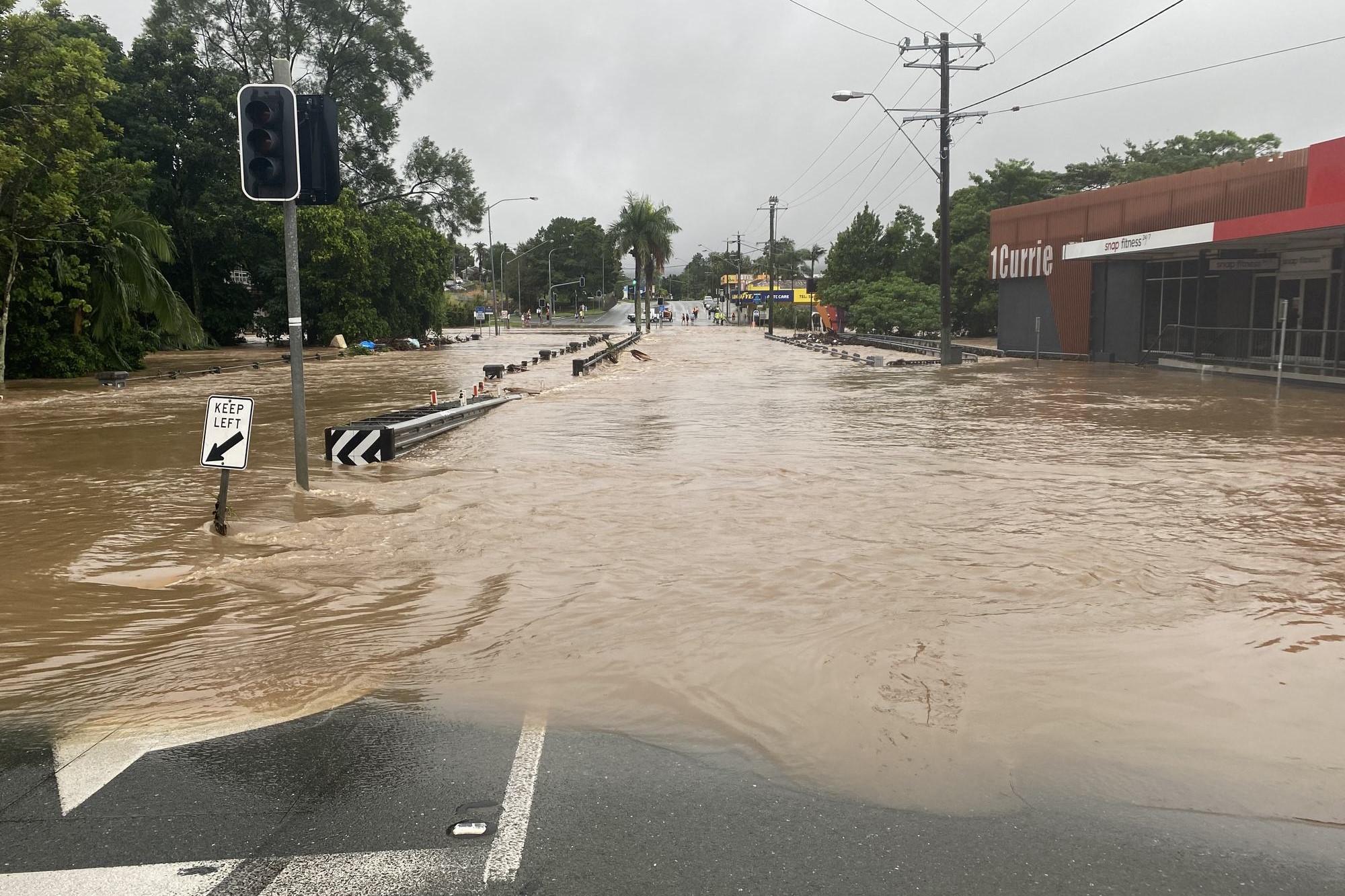
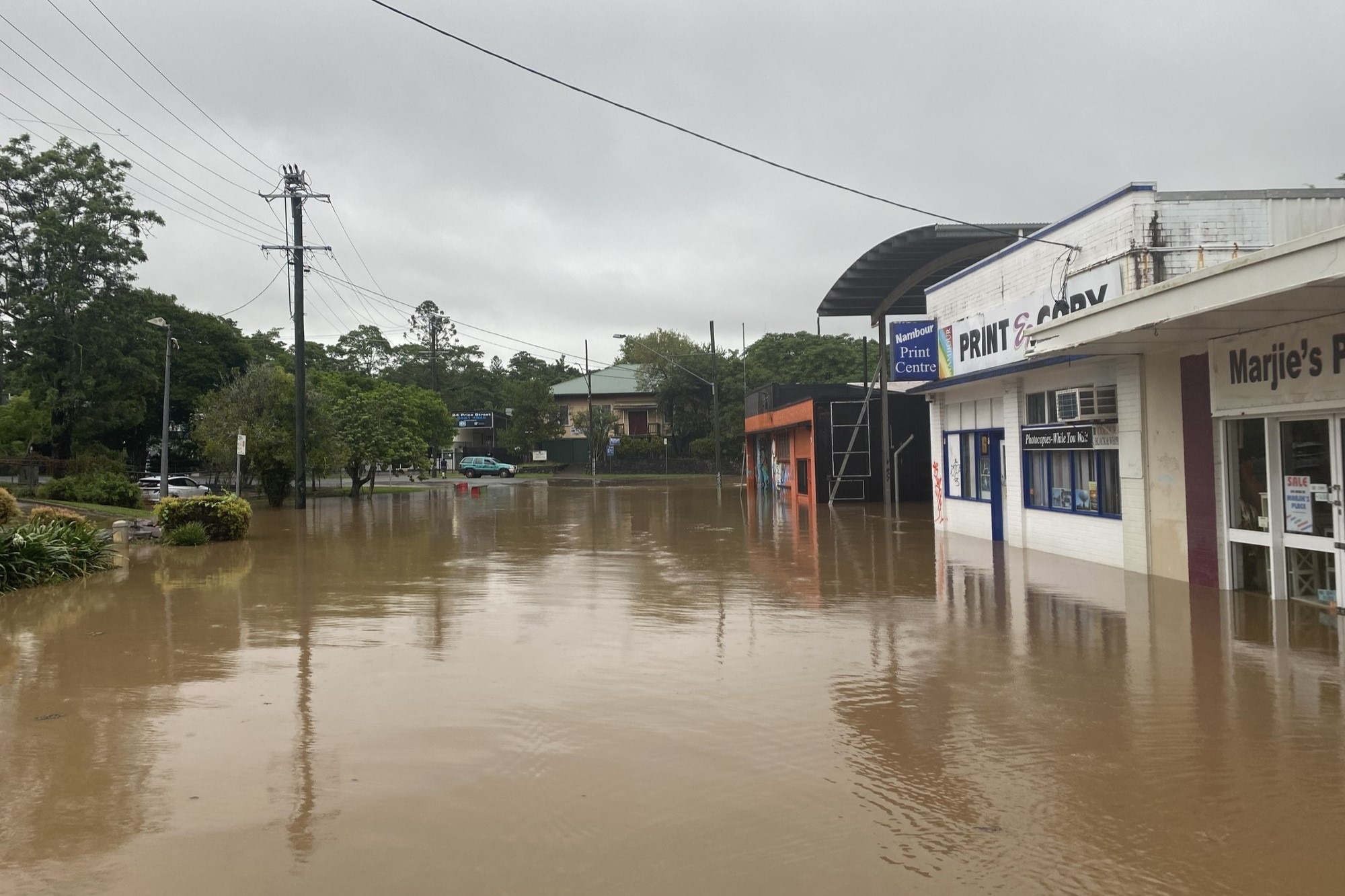
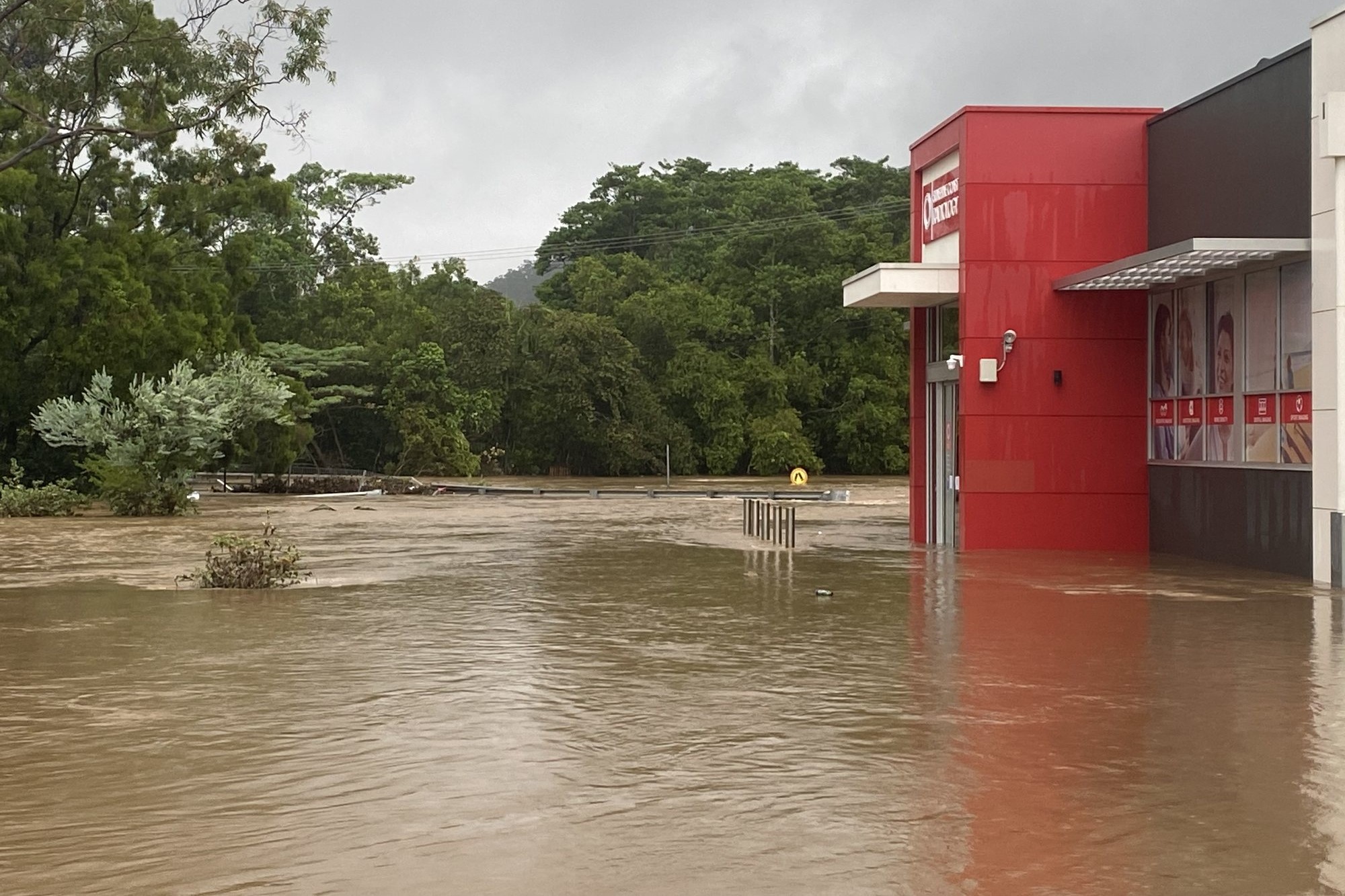
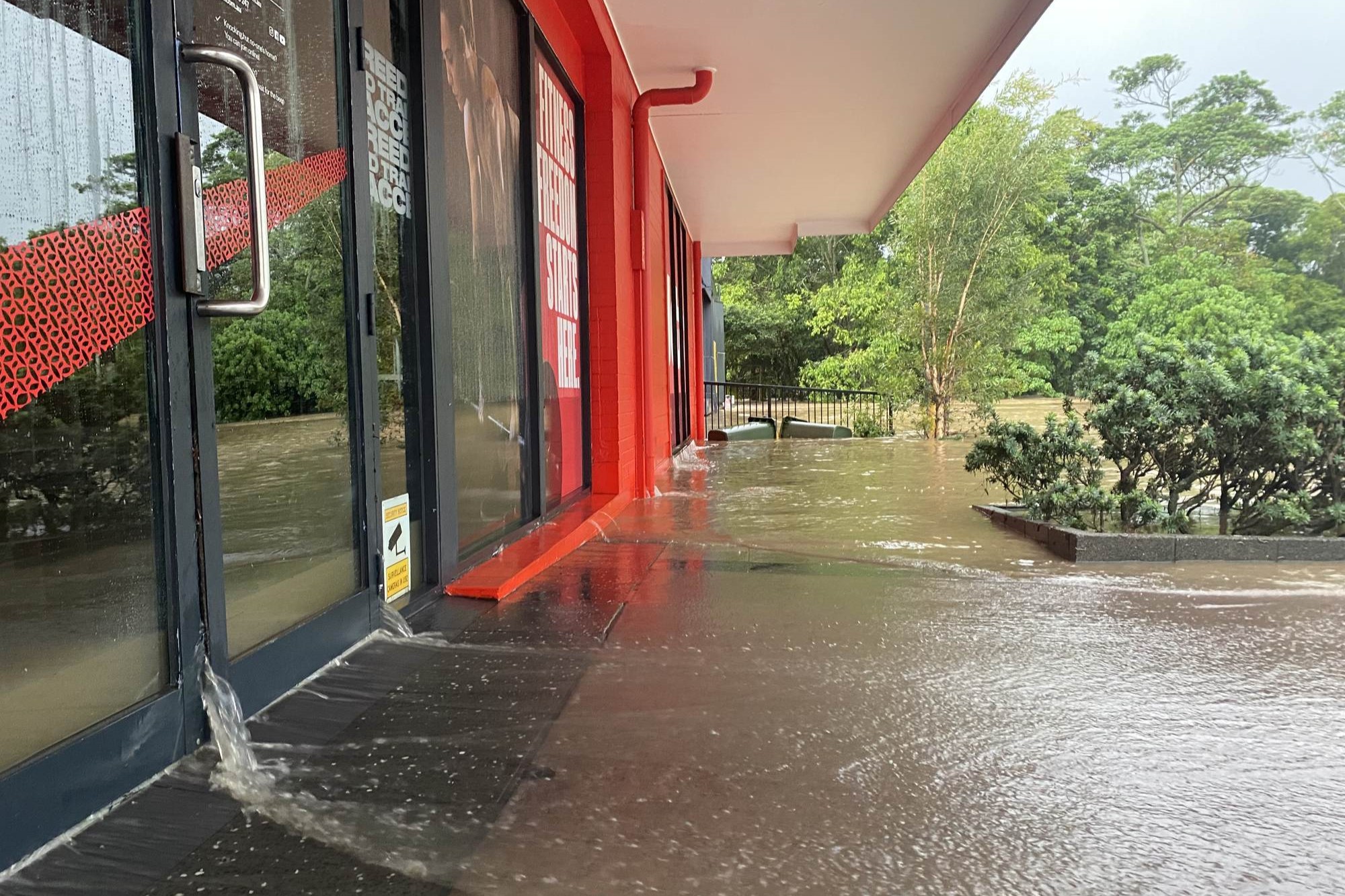
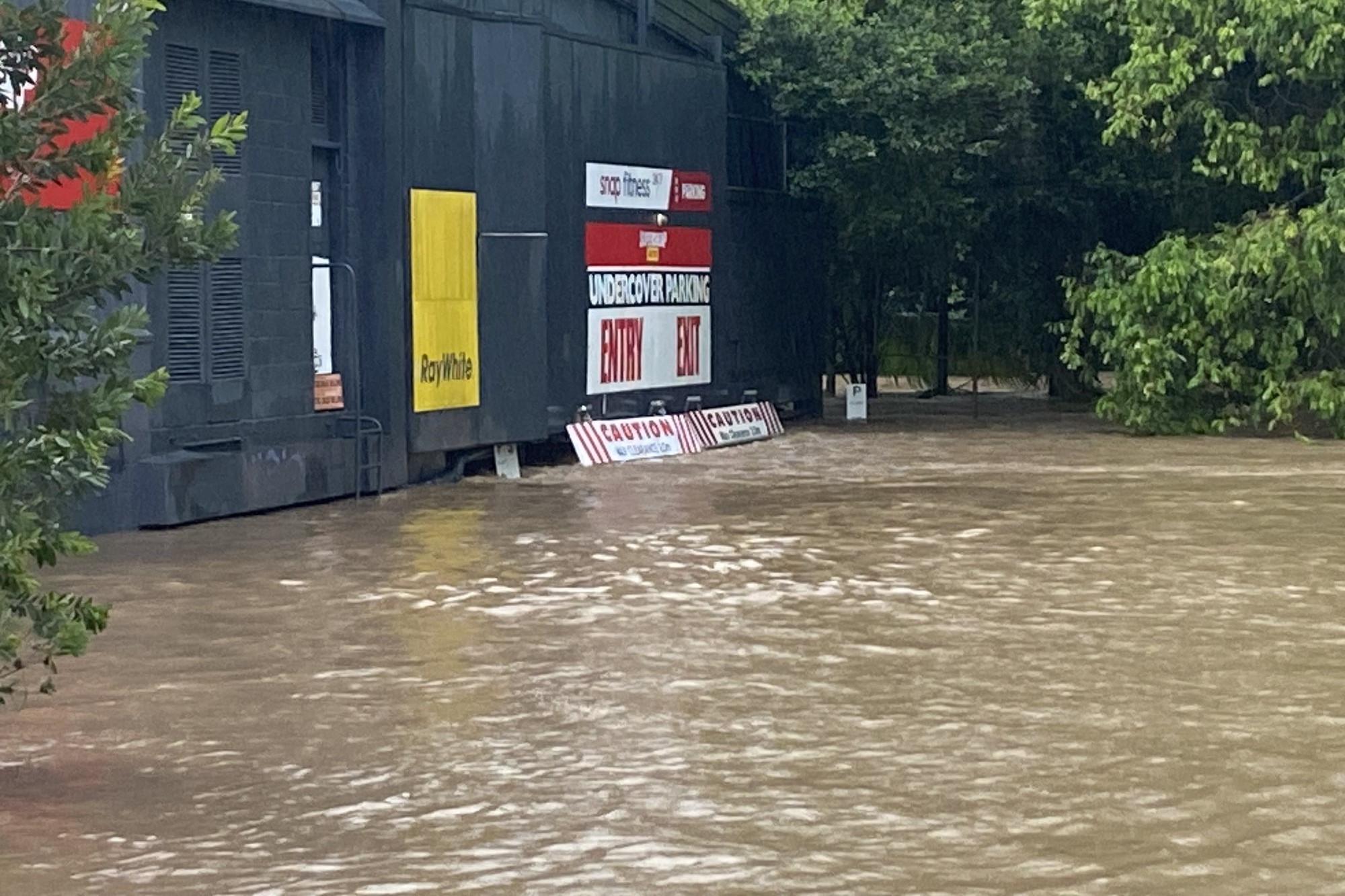
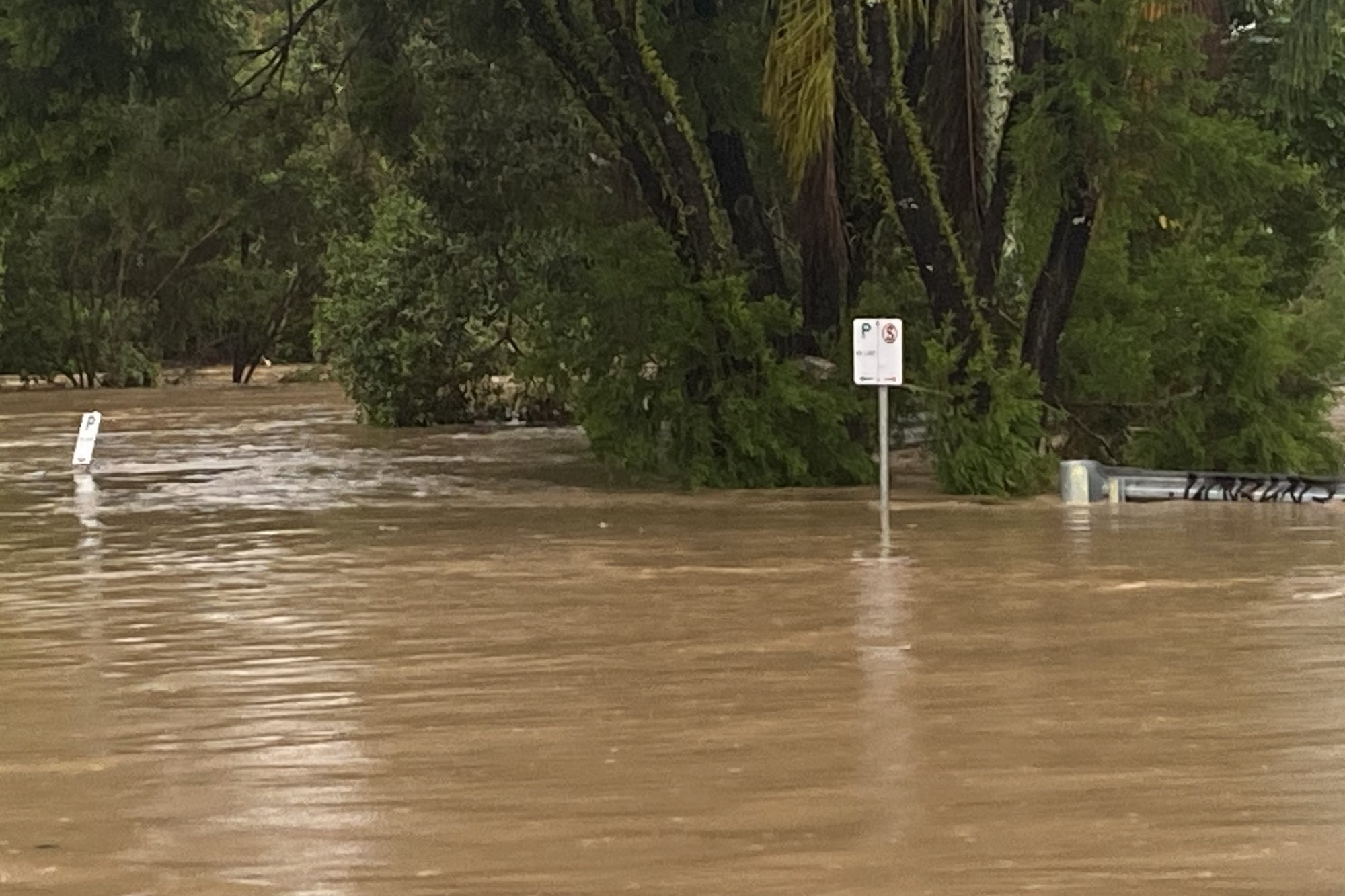
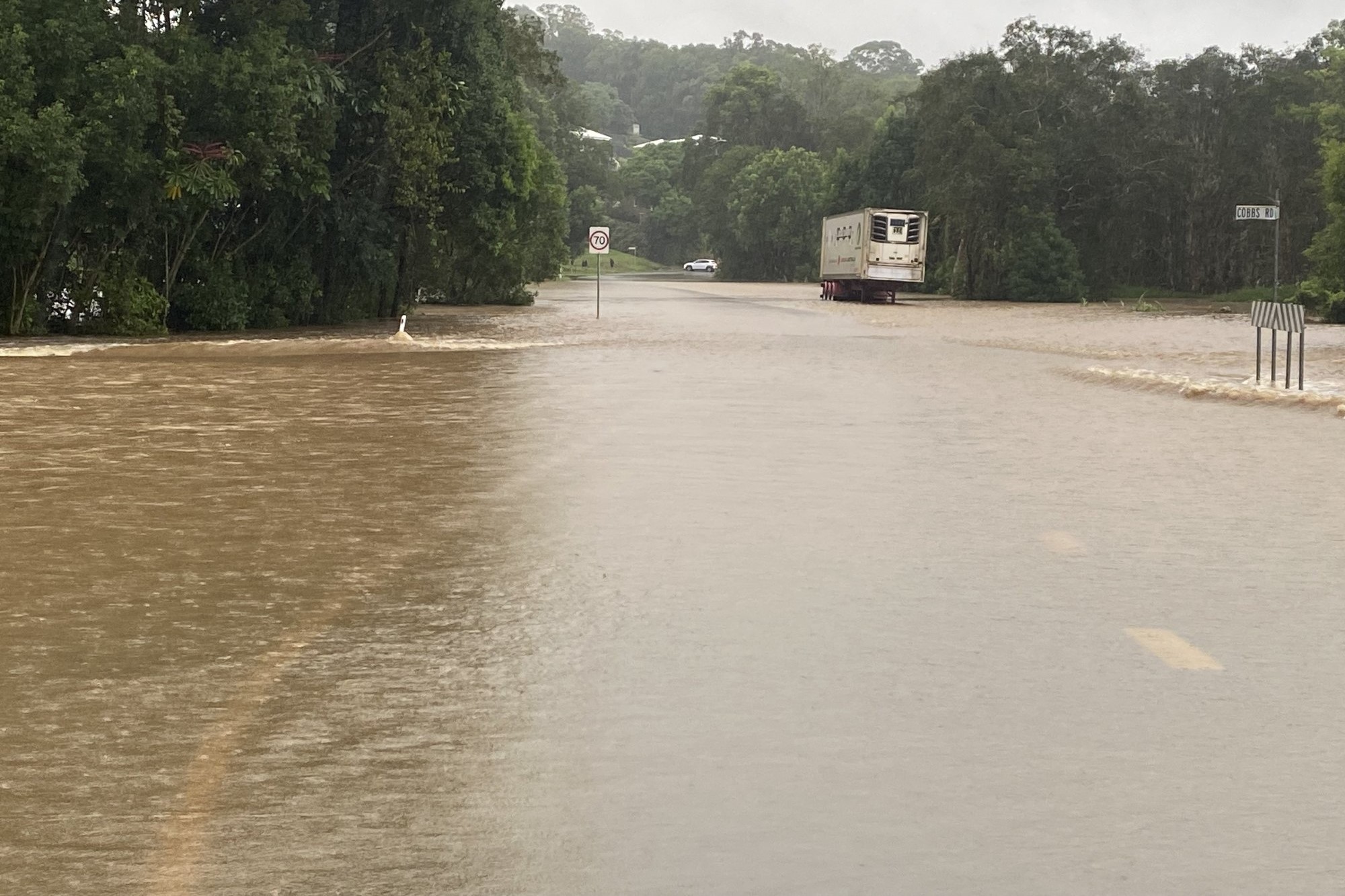
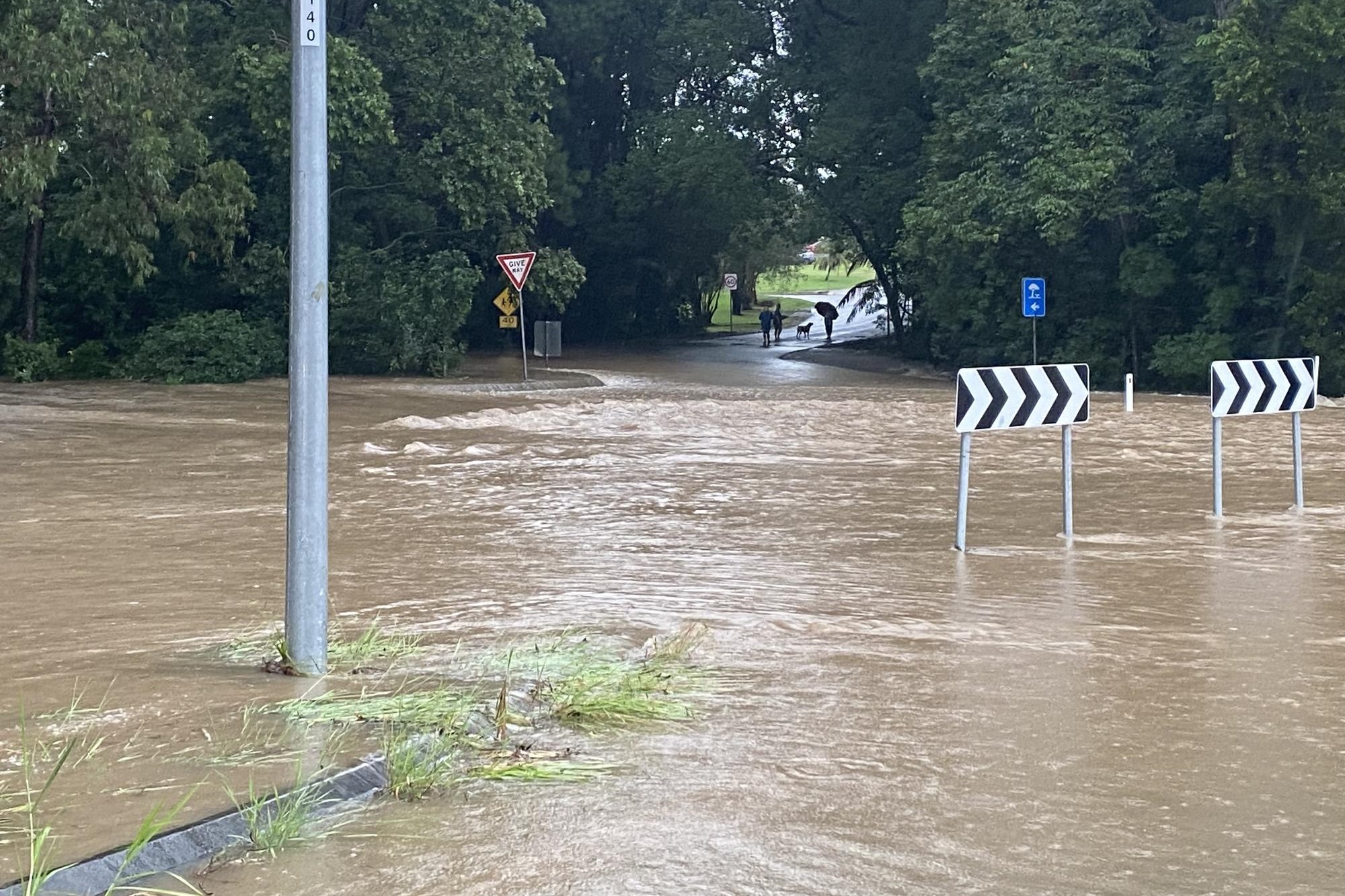
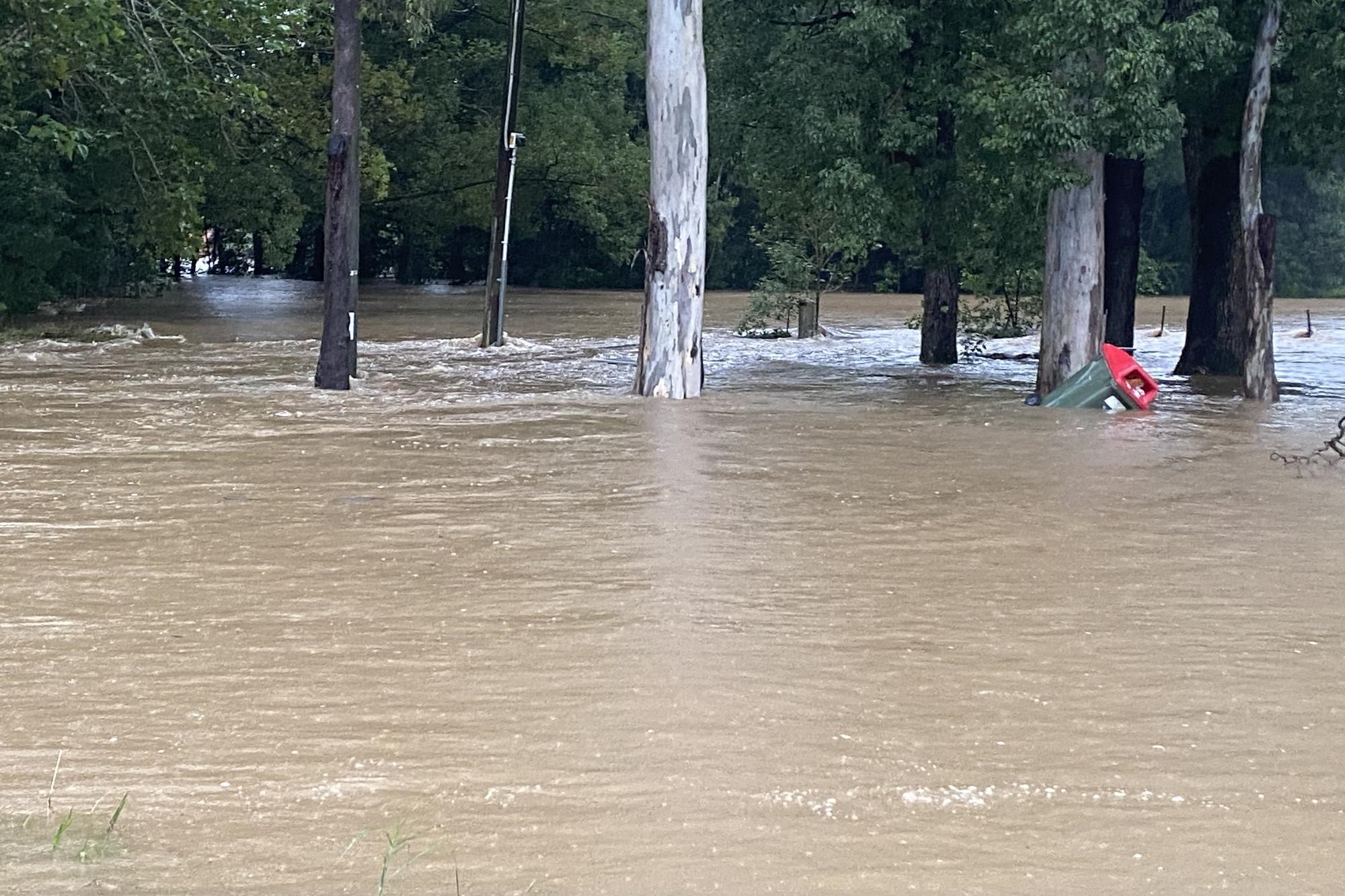
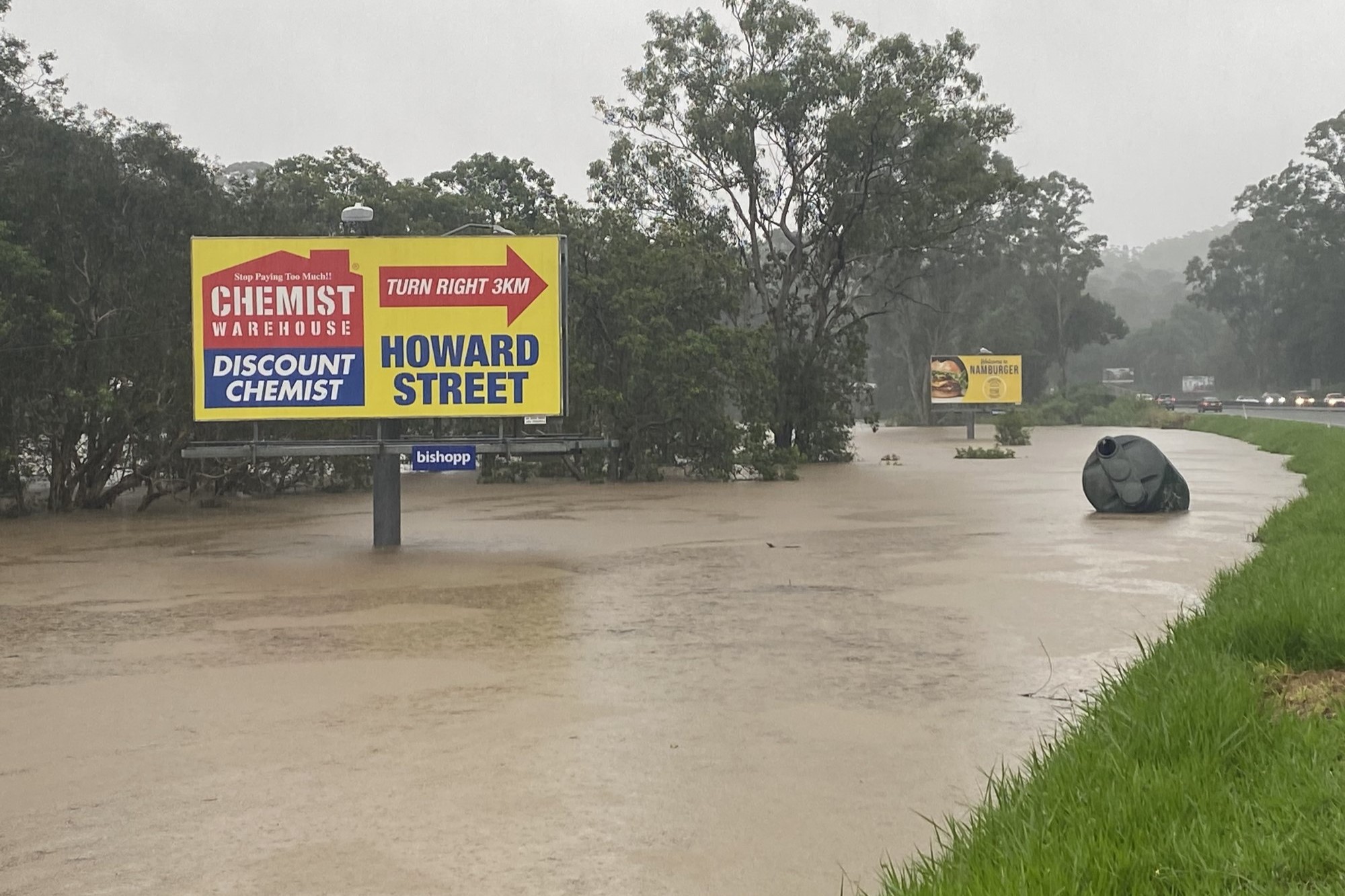
Homes, businesses and roads were swamped as the region was lashed by heavy rain and flash flooding.
Swiftwater rescue teams were called to help several people, there were more than 350 requests for SES assistance in the North Coast region and up to 100 roads were closed.
Some locations received more than 350mm within about 18 hours.
Diamond Valley had 433mm, West Woombye 391mm, Palmwoods 376mm, Bald Knob 372mm and Eudlo 267mm. Nambour had 365mm: the highest daily March total there since records started 132 years ago. Multiple other locations in the Sunshine Coast hinterland had more than 200mm.
Amid major centres, Tewantin had 123mm, Maroochydore had 43mm and Caloundra 40mm.
For more local news videos SUBSCRIBE to our YouTube channel. Just click here.
A Queensland Police spokesperson warned of potential hazards.
“After significant rainfall last night, residents in parts of the Sunshine Coast will be waking up to fallen trees and flooded roads,” they said.
“Police are urging people to be aware of flash flooding, which is extremely dangerous.
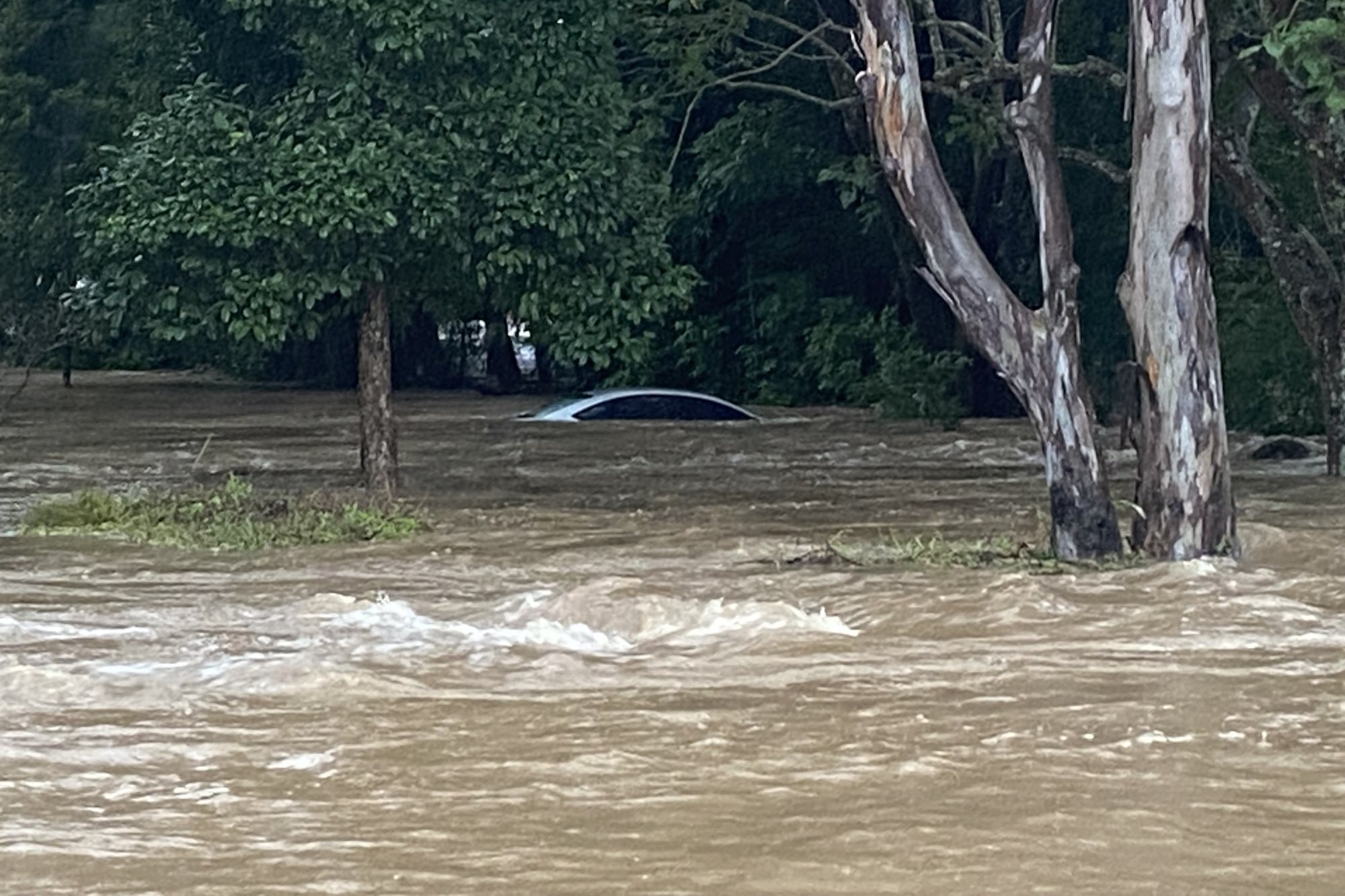
“Emergency services have received multiple calls for assistance across the Sunshine Coast for motorists stuck in floodwater.
“Please drive to the conditions, obey road closed signs, avoid low-lying areas, do not drive through floodwaters.
“Even for experienced drivers, it can take as little as 15cm of water for a car to lose traction on the road and be swept away in floodwater.”
A Queensland Fire Department spokesperson said swiftwater rescue teams were called into action 17 times overnight and into the morning.
Two people were plucked from the roof of a vehicle after driving into floodwaters and becoming trapped at Perwillowen Road and Carter Road in Burnside about 4.40am. Two rescue boats were utilised.
Two people and two cats were aided by a crew at Donaldson Road in Nambour, where an inflatable platform was used, about 6am.
Two people and a dog also required assistance at McGilchrist Road at Eudlo about 6am, while three people were helped to evacuate a home at Webster Road at Nambour about 3.50am. They were taken to the refuge centre at Nambour Showgrounds.
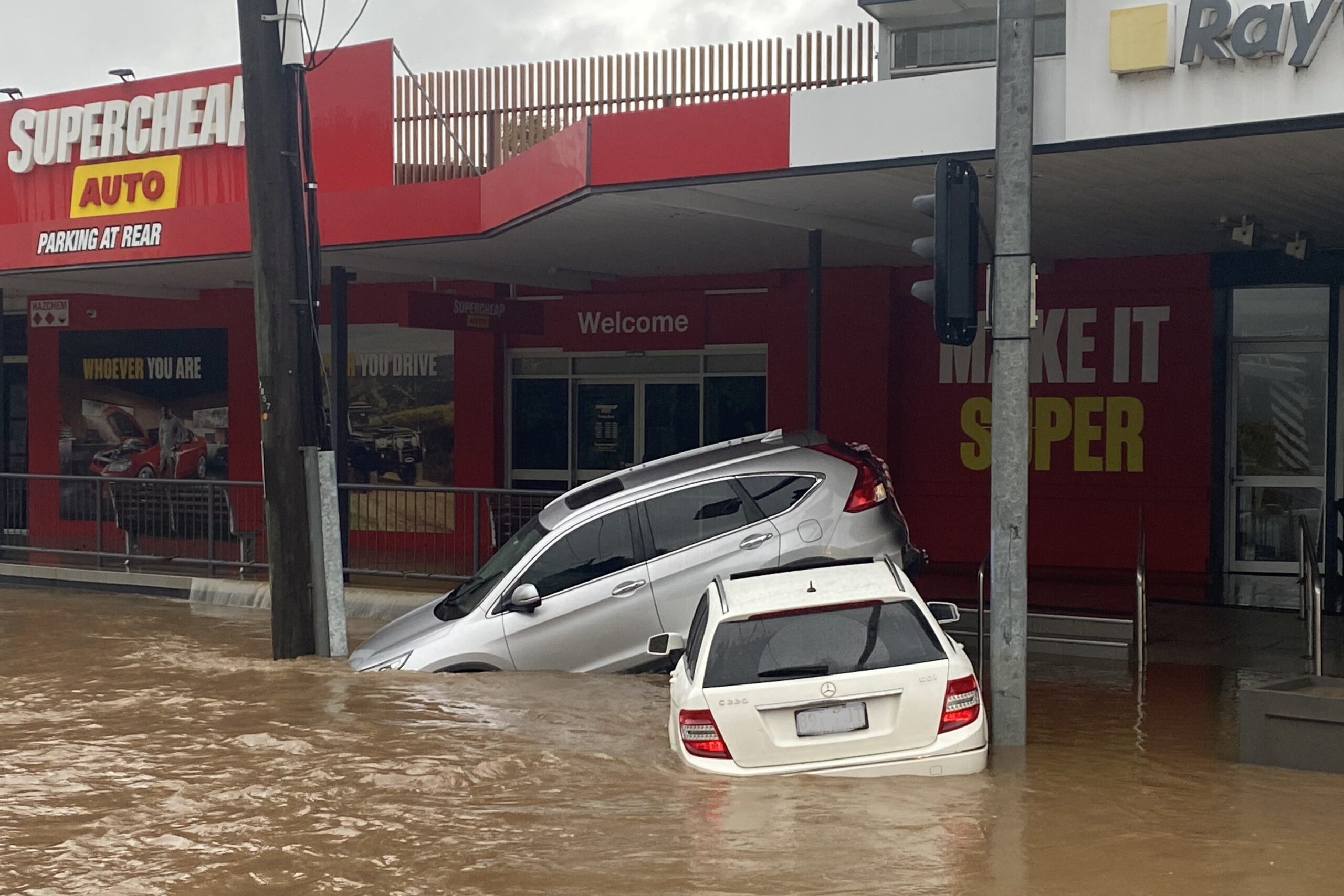
Meanwhile, two vehicles became stuck in floodwaters on the main street of Nambour and were, ironically, washed on to the doorsteps of an auto store.
Police issued an emergency alert at 7.18am, with a flood watch and act message from the Sunshine Coast Local Disaster Management Group.
“Intense rainfall has fallen across the Sunshine Coast Council area leading to flash flooding. Do not drive unless necessary. Move to higher ground away from floodwater,” they stated.
A severe thunderstorm warning was current for heavy, locally intense rainfall, which may lead to dangerous and life-threatening flash flooding.
Several local creeks had burst their banks in the early hours of Monday morning, while the Maroochy, Noosa and Mooloolah rivers could reach minor flood levels during the next couple of days.
Bureau of Meteorology meteorologist Andrea Peace said rainfall would soon abate but flooding could continue to pose a risk.
“The forecast is for just 0-5mm for Maroochydore on Tuesday, so we just need to get through Monday in terms of rainfall but, given how widespread the rain has been, we do have a lot of water moving through the river systems so even though the rain may ease, flooding is still going to be an ongoing concern at least for the next couple of days,” she said.
Ms Peace detailed why the region was swamped.
“Ex-Tropical Cyclone Alfred has moved inland and is now a trough feature – not a low-pressure system anymore – which has brought northwesterly winds. Then, there is a high-pressure system sitting over New Zealand directing northeasterly winds,” she said. “The winds have met each other and caused the air to rise, creating heavy rain.”
Many residents of the Sunshine Coast were wondering if they would feel the effects of ex-TC Alfred at all after strong winds and heavy rain lashed other parts of the state’s southeast, before it eventually made its presence felt.
“The thing with ex-Tropical Cyclone Alfred is that it has done what it wants to do,” Ms Peace said.
“We’ve tracked it and done our best to give people enough time to prepare for it.
“Some people were lucky: they prepared and didn’t see any effects. Other people prepared and saw major impacts.
“It will be nice when it has finally moved away and people can start to recover.”
Sunshine Coast mayor Rosanna Natoli urged locals to “please stay safe”.
“We know that there are almost 300 people on the Sunshine Coast without power, we know that some schools are closed, and we know that there are up to 100 roads closed as well,” she said.
Despite the heavy rainfall, the daily record at Nambour remains at 533mm, recorded in 1898.
For map and more info visit disasterhub.sunshinecoast.qld.gov.au/, for assistance with a life-threatening situation phone Triple Zero (000)immediately, and or assistance with non-life-threatening situations, such as help with a damaged roof or storm damage, phone SES on 132500.



