

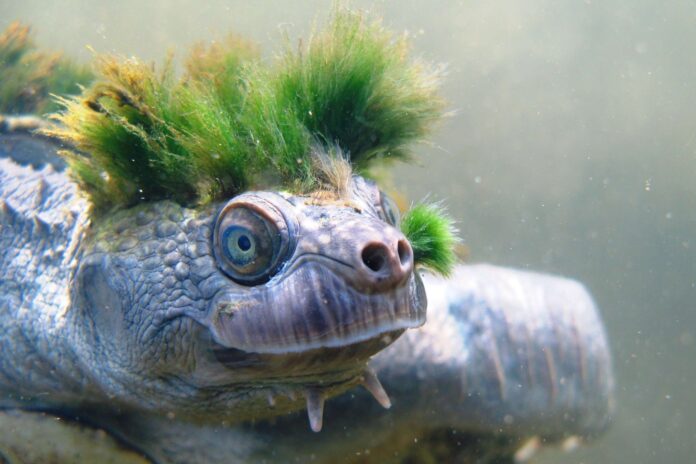
The bum-breathing Mary River turtle has been reclassified as critically endangered.
The Australian Government released the new classification early this month.
The Mary River turtle joins a list of 140 other Australian animal species, including the grey nurse shark, the northern hairy-nosed wombat and the loggerhead turtle, on the critically endangered list.
The distinctive turtle grows green algae on its head and neck, like mohawk, and can stay underwater for up to three days by breathing through special glands in its cloaca – rear end.
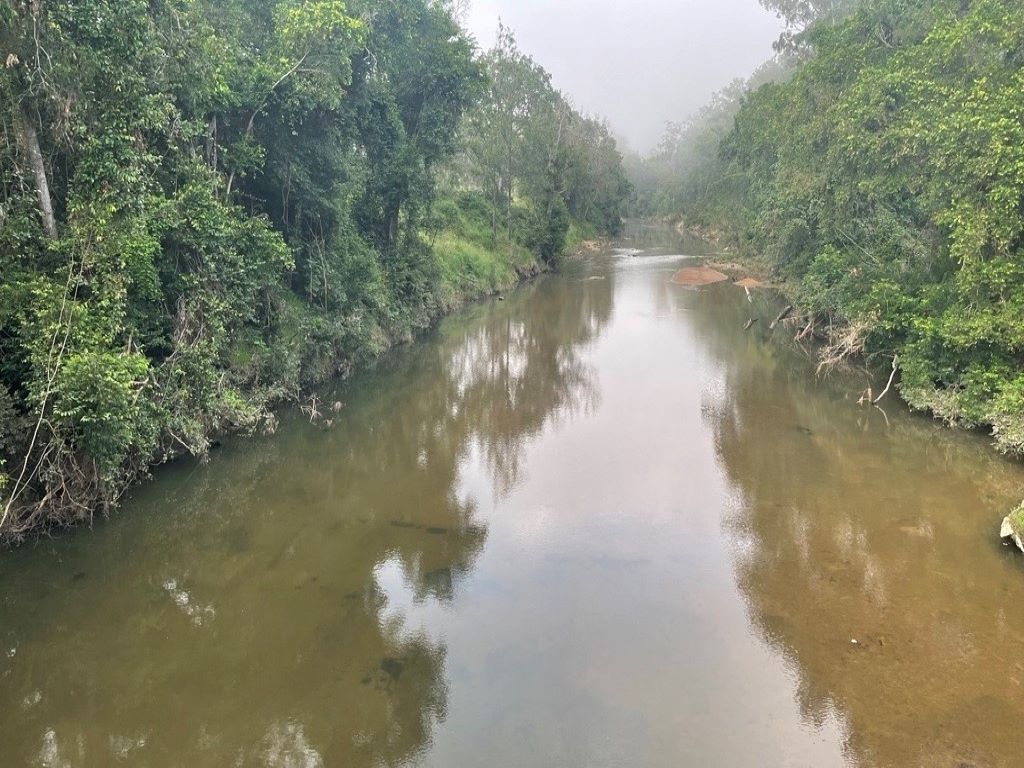
The turtle, which has the scientific name Elusor macrurus, is only found in the Mary River catchment, which spans the Sunshine Coast, Noosa, Gympie and Fraser Coast regional councils.
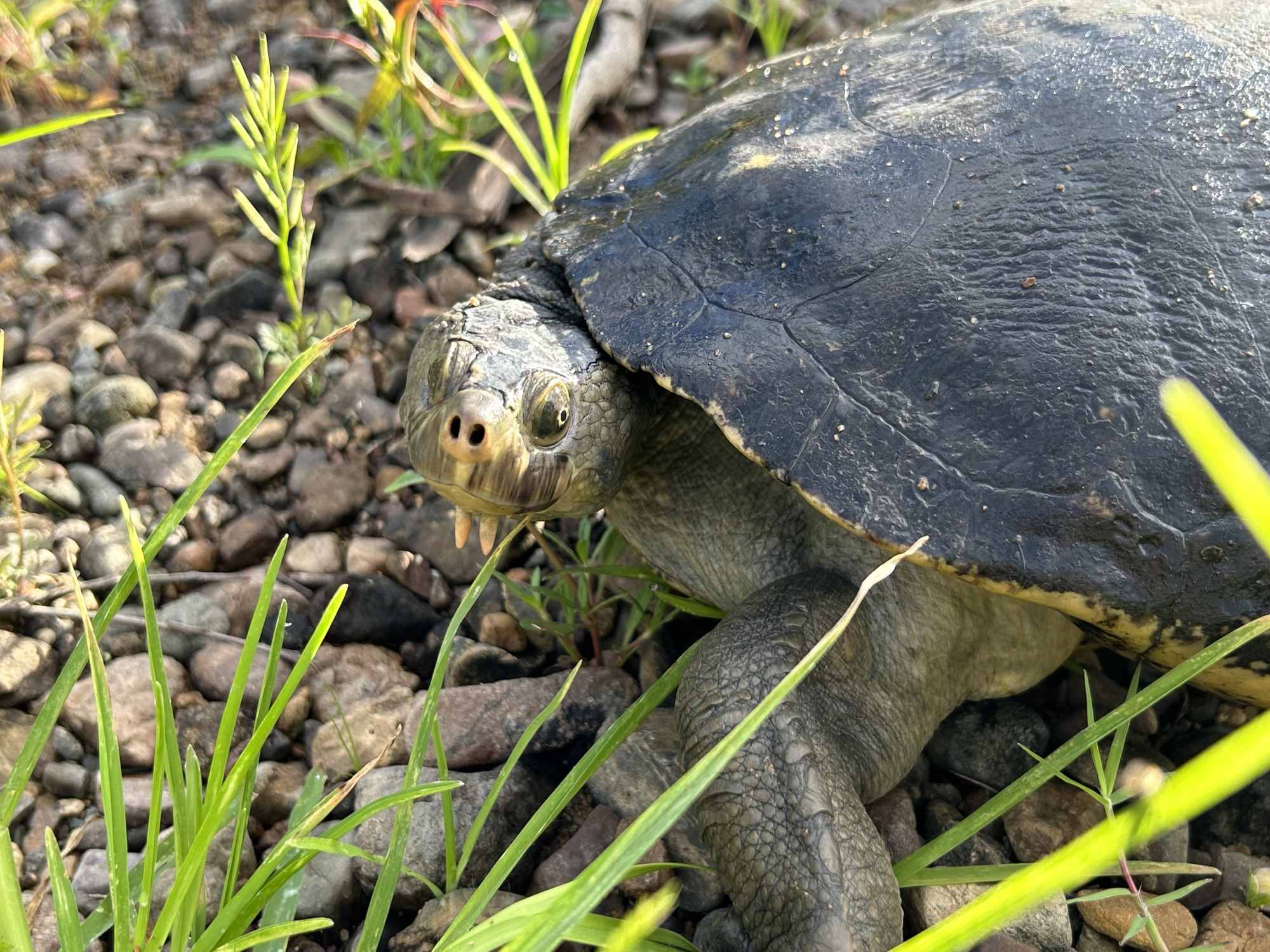
The Sunshine Coast Council runs the Mary River Turtle Protection Program and is encouraging people to do what they can to help the species’ survival.
The program partners with other councils, environment groups and landholders to remove invasive animals, conduct research and protect turtle nests.
The turtles lay their eggs in nests buried on the riverbank, but studies by the Mary River Catchment Coordinating Committee show invasive animals eat up to 90 per cent them before they hatch.
The fox is the most common predator of turtle eggs, and there is evidence of feral pigs doing the same.
Meanwhile, invasive plants such as cat’s claw creeper reduce habitat quality, smother plants or even restrict animal movement.
The BushCare Sunshine Coast program carries out bushland restoration along creeks providing habitat for the Mary River turtle, working with dedicated community volunteers.
Division 10 councillor David Law said working with community groups increased the impact of the program.
“Here on the Sunshine Coast, we’re part of a community that cares about our native species and understands how our environment supports all of us,” Cr Law said.
“Working together to strengthen ecosystems in the Mary River catchment is vital for protecting species like the Mary River turtle.”
Division 5 councillor Winston Johnston urged landholders to get involved with the council’s invasive animal programs.
“If you have foxes on your property, we can help,” Cr Johnston said.
“That means improving safety for your pets and livestock and protecting all our native animals from this rampant predator.
“Council programs can also help with managing feral deer, feral pigs and wild dogs.”
Like stories that inform, connect and celebrate the Sunshine Coast? So do we. Join an independent local news revolution by subscribing to our FREE daily news feed at the bottom of this article.



