A Sunshine Coast researcher has been preparing for a 580km scientific expedition into the Arctic Circle by hauling tyres around the hinterland.
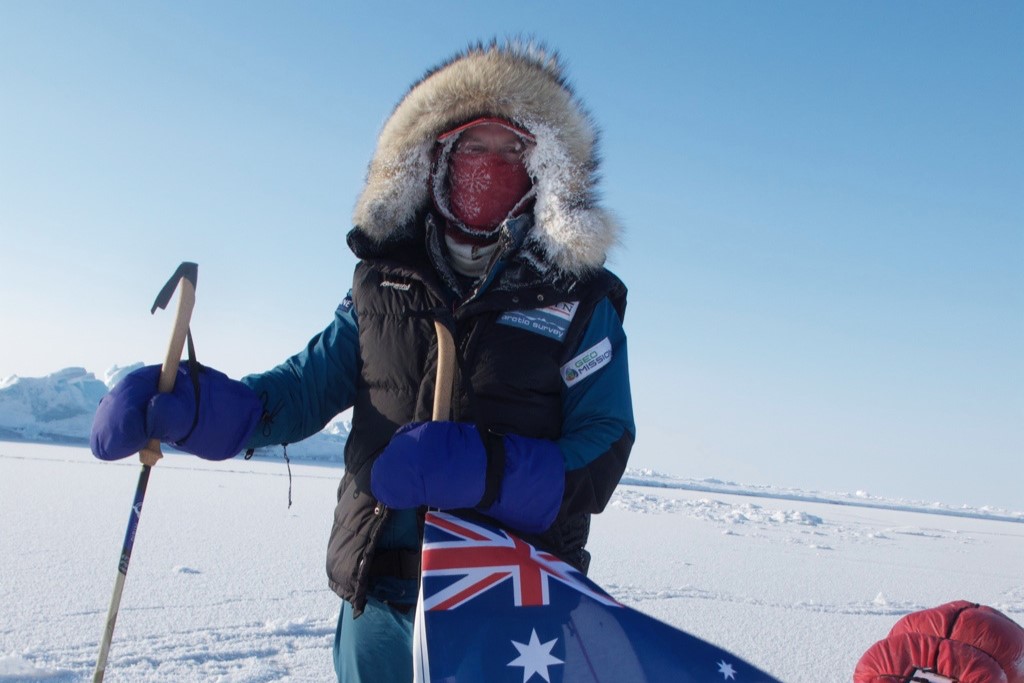
University of the Sunshine Coast engineering academic Dr Adrian McCallum and four other intrepid adventurers will drag almost 100kg of survival gear and scientific equipment across the Greenland ice sheet, on skis, for The Greenland Project.
He said he had two roles to play during the trek.
“The most important job is keeping everyone alive,” he said.
“We’ve got a great team but, ironically, despite being the only Australian in the group, I’m also the one with the most polar experience so I’ll be lending my expertise there.
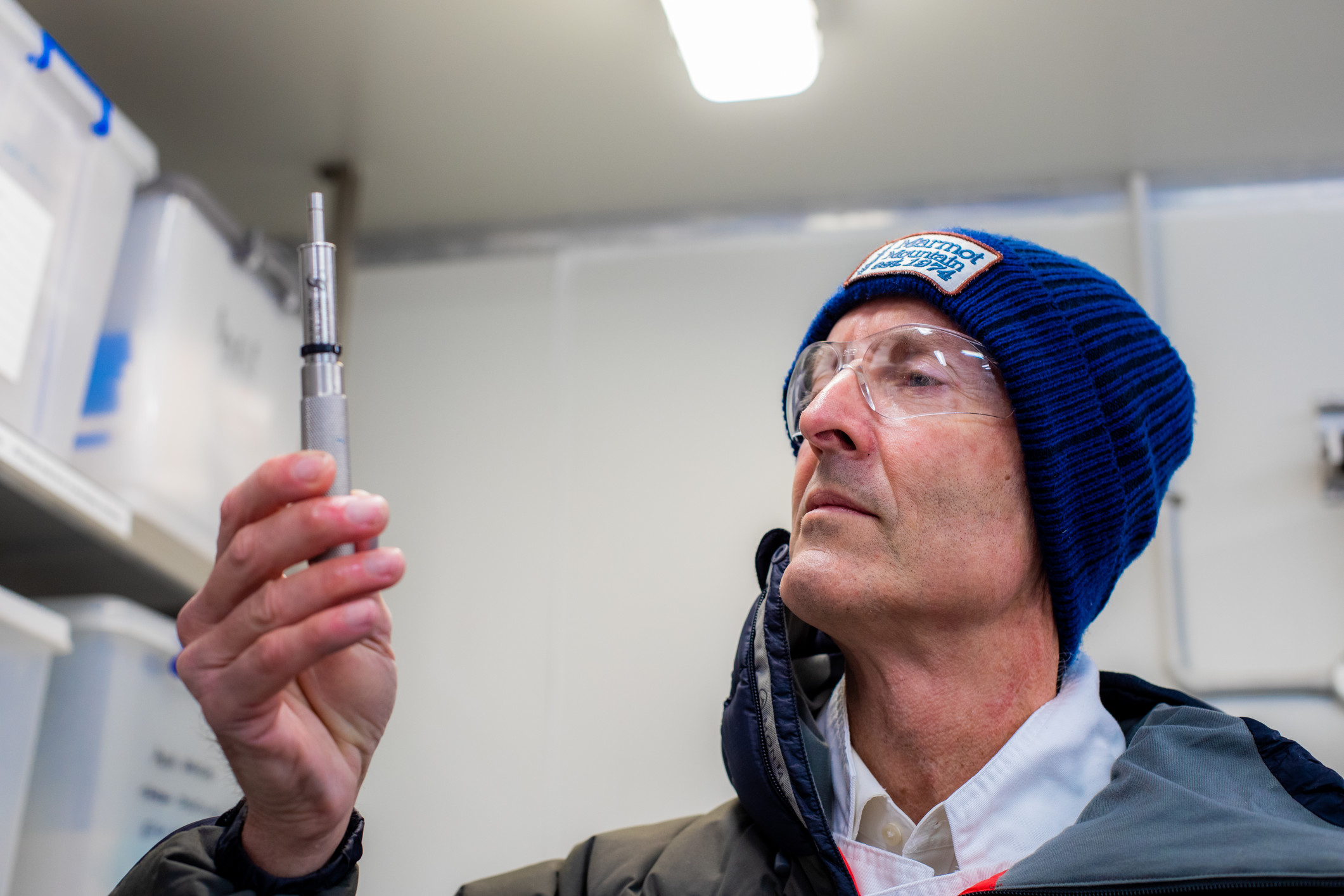
“I’m also in charge of conducting the science, focusing mainly on measuring variations in Greenland’s surface snow density.
“This information is crucial to accurately assessing the mass of the Greenland ice sheet, which in turn is essential to monitoring changes and the impact on sea levels.”
Do you have an opinion to share? Submit a Letter to the Editor at Sunshine Coast News via news@sunshinecoastnews.com.au. You must include your name and suburb.
Dr McCallum has extensive experience conducting research in cold, remote locations like the Arctic, the Himalayas and Antarctica, as a scientist and as a former member of the Australian Defence Force.
But he spends the majority of his time living and working in the heat and humidity of South-East Queensland, teaching and running the engineering program at UniSC.
So when it comes to training for a month-long polar trek, Dr McCallum has had to improvise.
“The other members of the expedition have been preparing and training in freezing winter conditions in Europe,” he said.
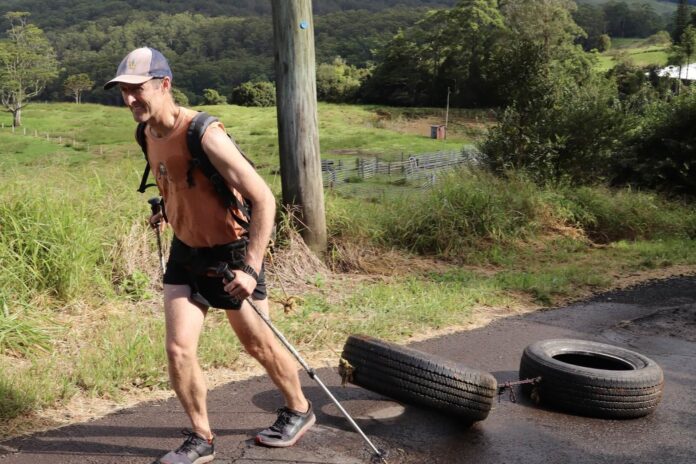
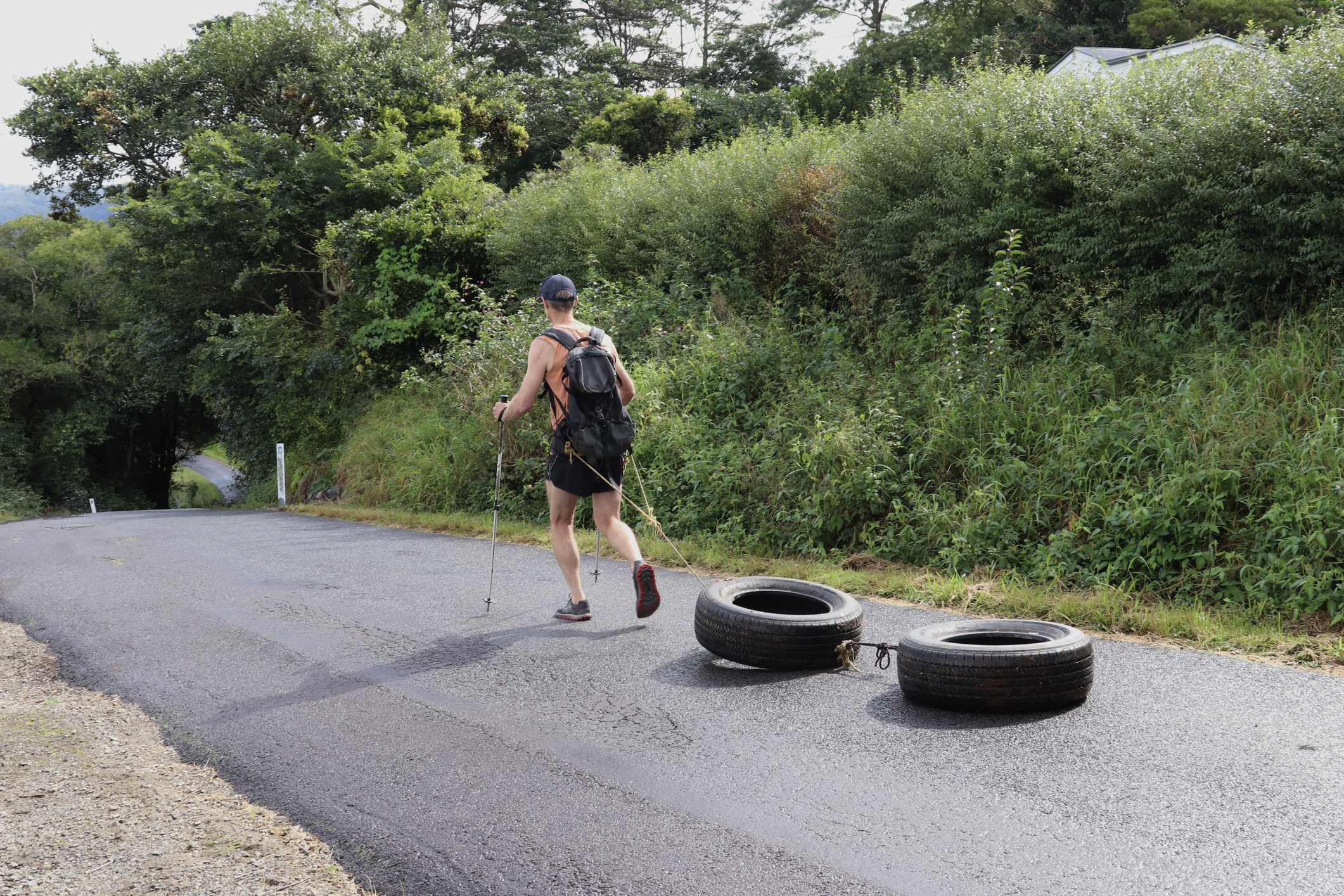
“I’ve been dragging tyres up and down the hinterland all summer.
“I’ll be fit enough. But it does mean I’m going to be really feeling the cold when I’m over there.”
The remoteness of the location means its snow and ice data is seldom collected.
So why travel by foot then – in an age of helicopters, snowmobiles and drones?
The Greenland Project leader Jan Rasmussen said they would travel by foot to re-establish the viability and importance of low-impact exploration and scientific endeavour.
“Traditionally, scientific expeditions are huge inaccessible and emissions-heavy undertakings while adventures are associated with environmental costs and ego,” he said.
“I believe that we, through human-powered travel and meaningful engagement, can combine the two in earth-friendly ways that make critical science digestible for everyone.”
For Dr McCallum, it’s also an opportunity as an educator to inspire his students in Australia and show them the incredible avenues science can take them.
“It doesn’t just happen in a lab,” he said.
“I’m hoping to one day take students on a future trip to Greenland to conduct research of their own.”