
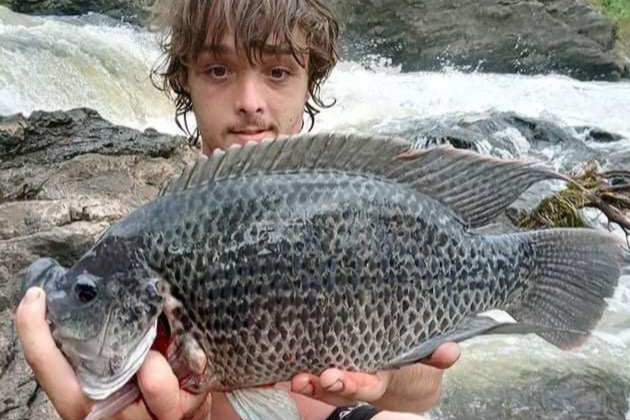
Recreational anglers fear an invasive fish species has already gone past the point of no return on the Sunshine Coast and that other regions may soon suffer the same fate.
The presence of tilapia in waterways around the Coast is nothing new, but long-term fishos say they are starting to take over tributaries in the region.
Former commercial fisherman and avid recreational angler Caleb Lanfranco says they are becoming more prominent each year.
“You’re probably not going to stop them at this point but there is a real concern they are going to just keep on spreading, especially north,” he said.
“I can name 10 rivers around here they are in. I go fishing in the North Maroochy and the South Maroochy and they are everywhere.
“We started catching them in numbers about five years ago but I reckon they’ve been here for close to a decade.”
The Queensland Department of Fisheries and Agriculture (DAF) said it was aware of the problem but couldn’t provide a strategy to rid them from local waterways.
“Pest fish such as tilapia are highly invasive species that pose a threat to commercial and recreational fisheries if large populations become established,” a DAF spokesperson said.
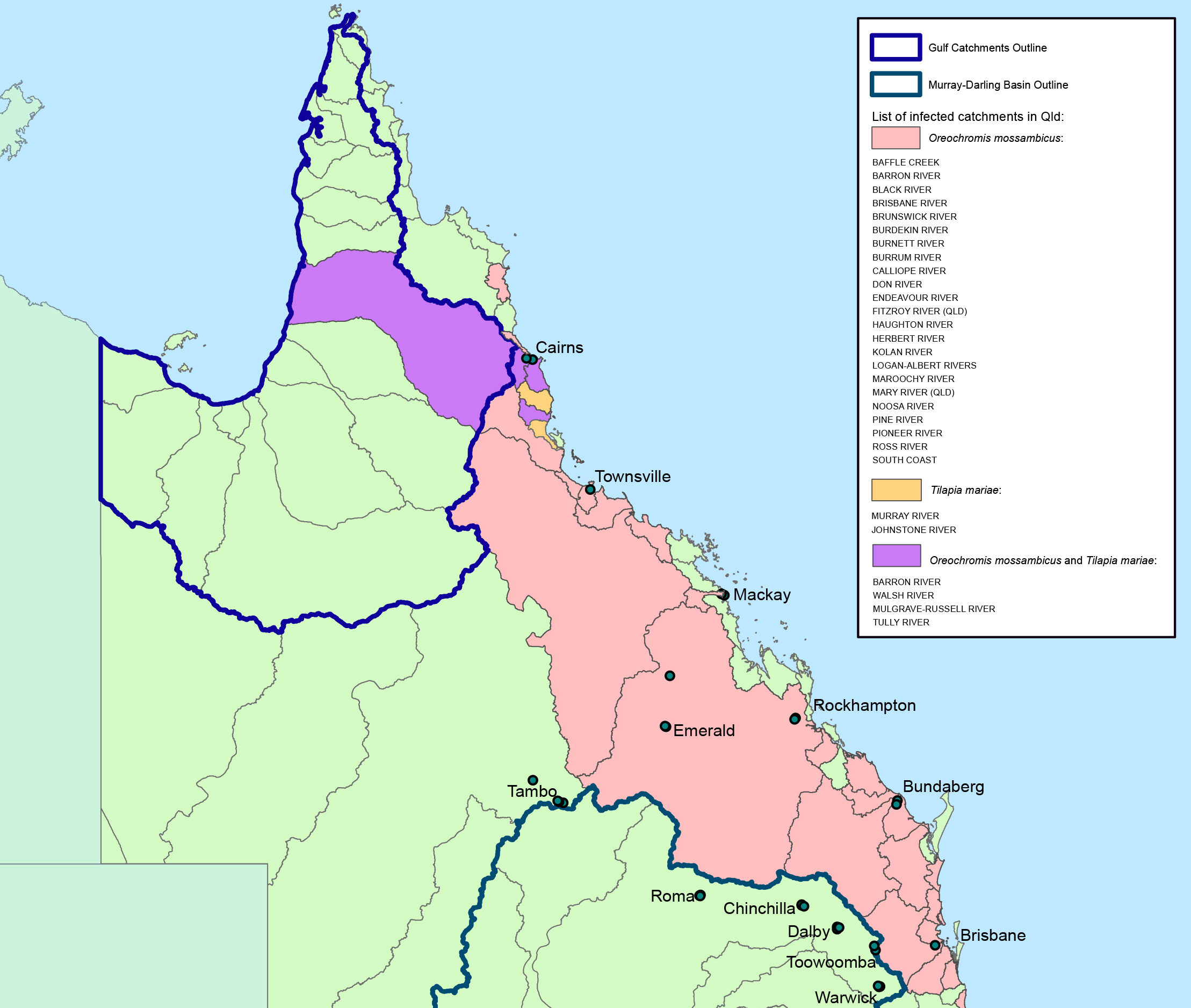
“DAF is aware of established populations of tilapia and other invasive fish species in the Sunshine Coast area.”
The spokesperson said the DAF programs focused on:
- surveillance and reporting (particularly in remote areas);
- partnerships with interest groups, local councils and First Nations groups in habitat improvement;
- extractive activities like pest-fishing competitions; and
- working closely with restocking associations and fishing clubs to boost native fish diversity.
“If caught, tilapia and other pest fish should be immediately and humanely destroyed and disposed of, and never used for bait or returned to the water,” they said.
“Dispose of the pest fish as soon as practicable by burying it a suitable distance from the waterway where it was caught, or by placing it in a rubbish bin.”
Mr Lanfranco said killing tilapia and leaving them on the bank was not enough to stop them spreading.
“They are a mouthbrooder so they carry their babies in their mouths,” he said.
“If you catch them and kill them, the babies can roll into the water if left on the bank. I usually bury them after killing them.”
According to DAF, tilapia were introduced into Australia in the 1970s as ornamental fish and are now a major threat to Australia’s native biodiversity.
Tilapia is a restricted noxious fish under the Biosecurity Act 2014.
Under the Act, returning noxious fish to the water can attract an on-the-spot fine of $718.75 with a maximum penalty of $71,875.00 if the matter is decided in court.
“Sightings of pest fish should be reported, together with a photo, by going to the DAF website and searching for ‘report a pest fish sighting’, or by calling 13 25 23,” the DAF spokesperson said.
Mr Lanfranco said the Queensland Government could do more to raise awareness.
“There should be signs at boat ramps and other fishing spots to let people know. I’ve seen people catch them and throw them back because they just don’t know,” he said.
“Tilapia are a strange species because they make beds and they protect their young. You’ll see them in the water and they’ll aggressively attack the bait or lure. They are trying to kill it, not eat it.
“And just like barramundi and mangrove jack, they can go from fresh to salt water, which is why I’m worried they are just going to overtake all of our rivers and creeks.”
Mr Lanfranco encouraged parents to target the species when going fishing with their children.
“They are a fun fish to catch so it’s great to get the kids involved,” he said.
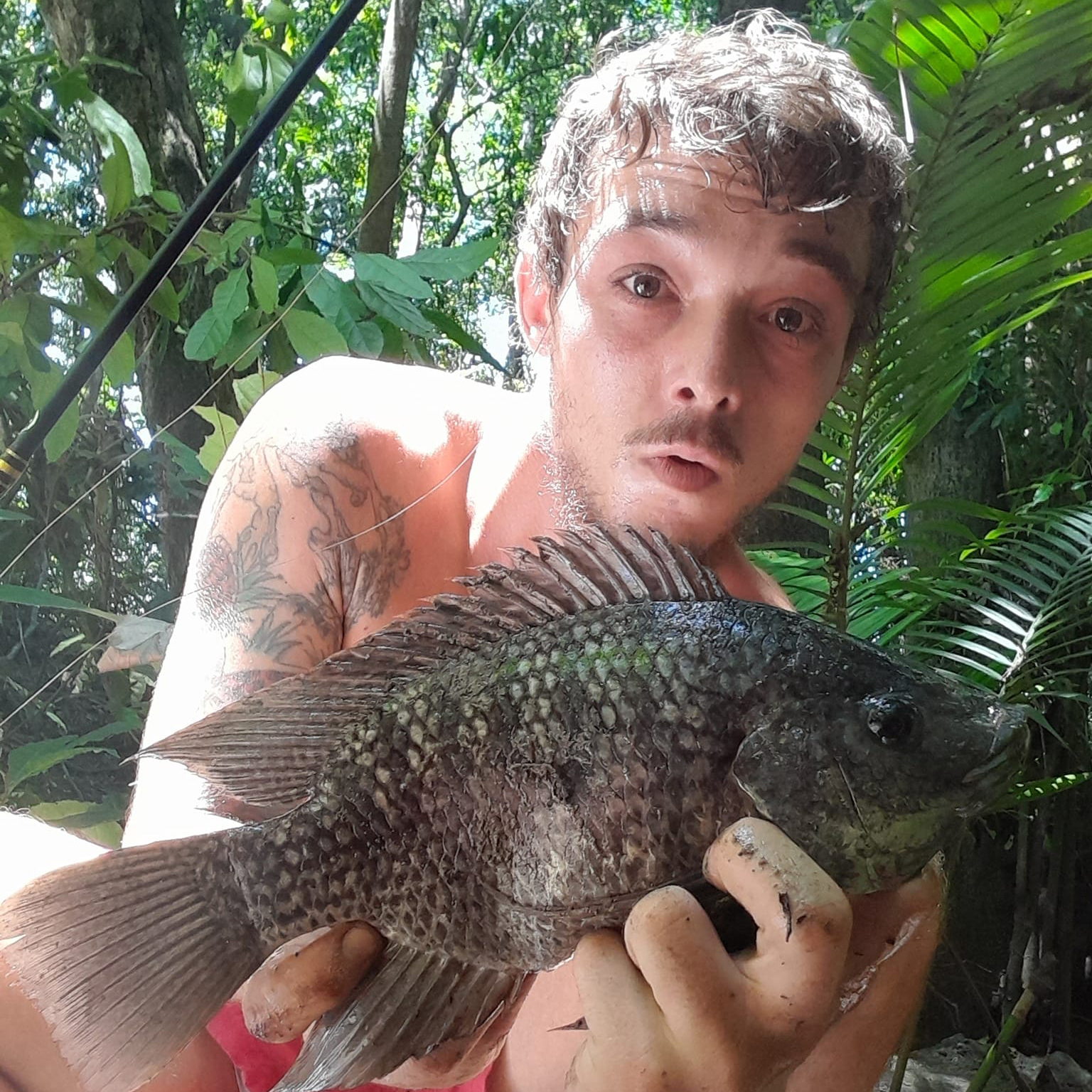
“They can get up to 50 to 60cm – I’ve caught one as long as my forearm.
“It’s a good family activity and it does help the environment and fishery because they are overtaking our native species.”
Scroll down to SUBSCRIBE for our FREE news feed, direct to your inbox daily.