
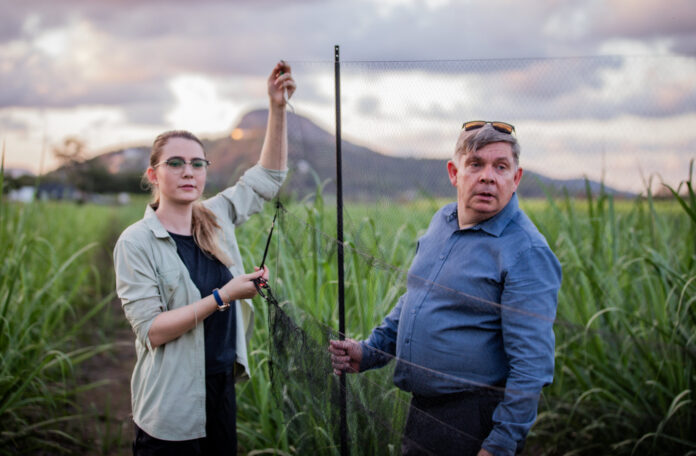
New research from the University of the Sunshine Coast aims to help protect tiny bats that weight less than a tablespoon of butter.
Insect-eating microbats – most of which have a wingspan of less than 28cm – face habitat loss through urbanisation and land development, changing climate, fires, floods and storms.
UniSC PhD student Robin Rowland said the minute mammals were important members of the environment.
“These little insectivorous bats are vital for our ecosystems but most people don’t know they exist until they spot a roost in their garden shed or roof eaves,” she said.
“As habitat loss is reducing the number of available hollow tree roosts, many species of insectivorous bats now use human infrastructure as roosts including stormwater culverts, industrial buildings, residential homes, even backyard umbrellas.
“This research is investigating how the bats are being affected, to see if the changing habitat and roost types are causing other changes in their populations.
“We’re studying physiological health, body condition and functioning, stress-associated hormone levels and reproduction.”
Ms Rowland and her PhD supervisor Dr Clare Stawski form part of UniSC’s growing ‘bat team’, a group of researchers including zoologist Professor Stuart Parsons, dean of the School of Science, Technology and Engineering.
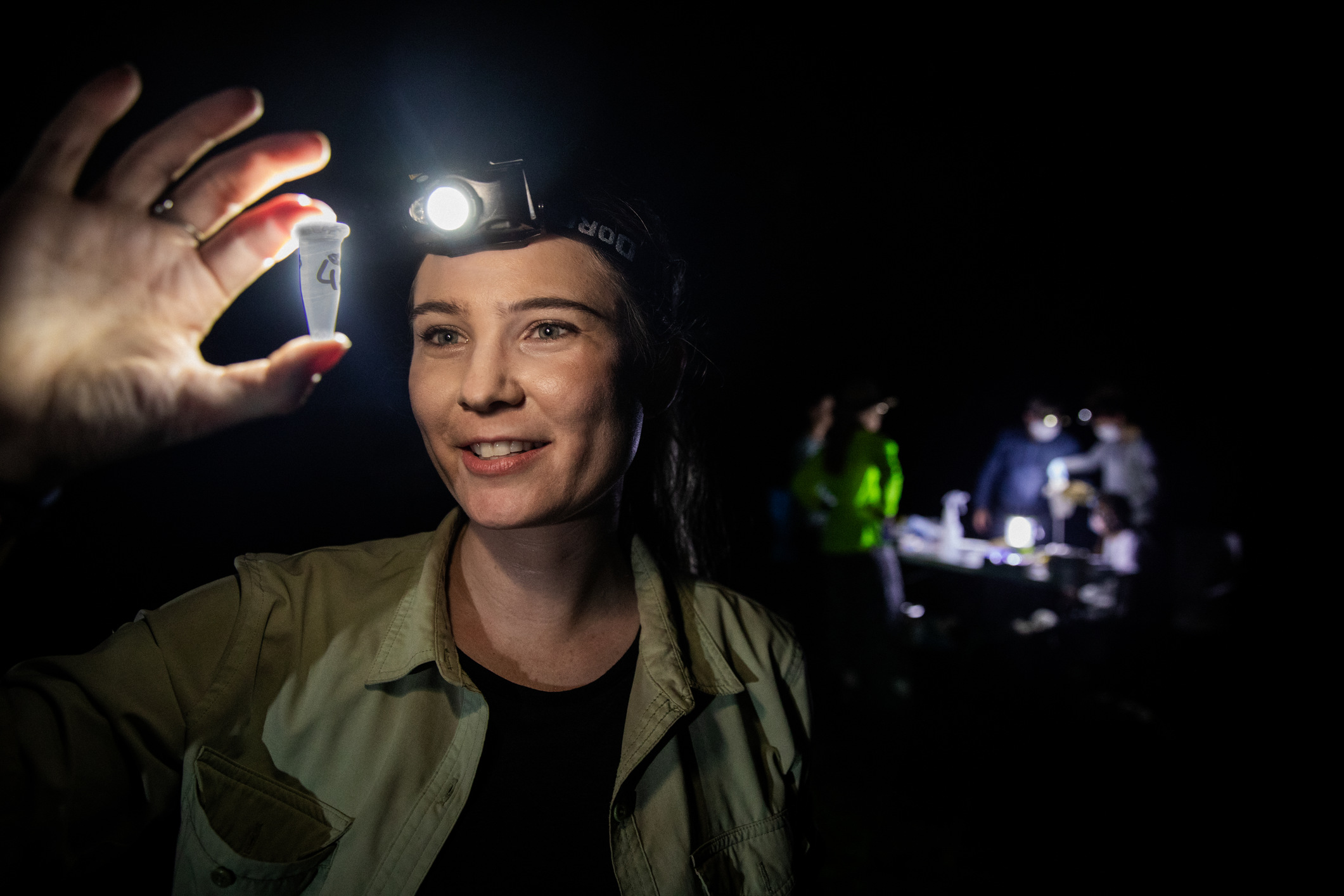
Dr Stawski’s research unravels how bats cope with changes in their environments and has worked with species throughout Australia and Europe.
Professor Parsons has travelled the globe researching bat species, from flying foxes on the Sunshine Coast to vampire bats in Belize in the Caribbean.
He recently worked on a biodiversity project with the cotton farming industry in western Queensland, recording the sounds of bats and birds that help with natural pest management.
For this new research, the team has been doing fieldwork along the east coast and from the Noosa hinterland to the Glasshouse Mountains to Brisbane.
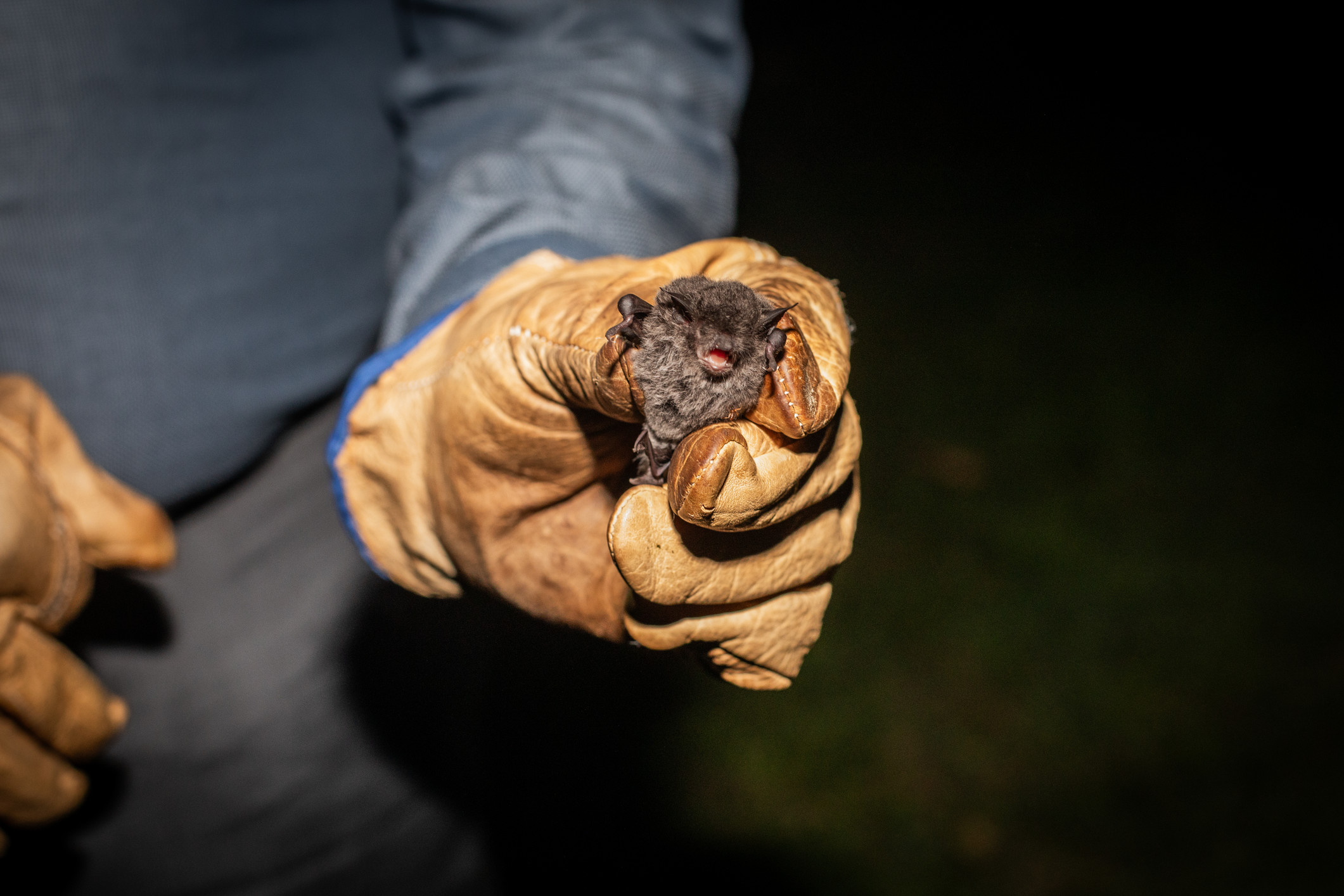
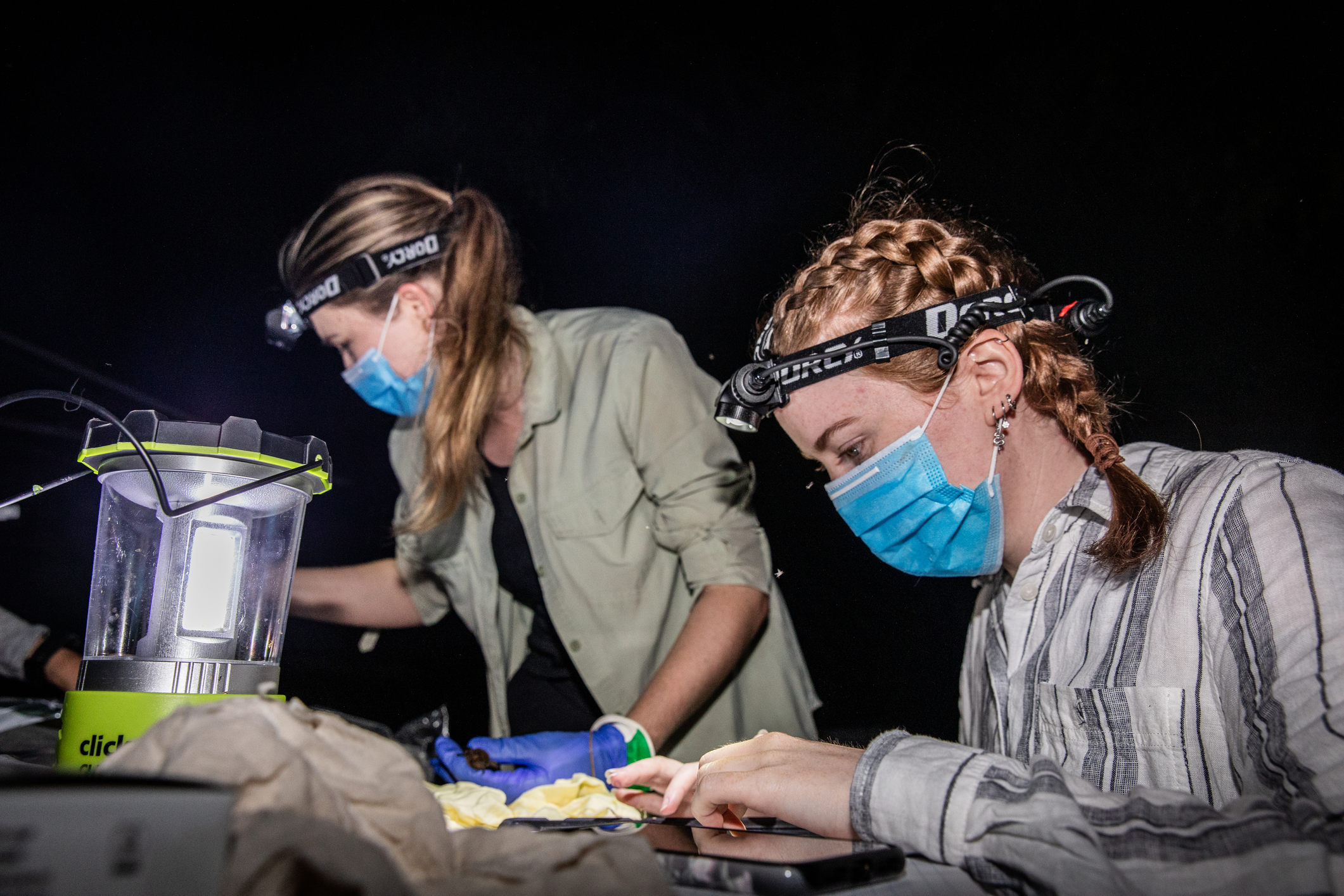
They set spiderweb-like traps at dusk to catch the animals to take measurements and samples, then use latest technology to analyse the data.
The researchers wear safety equipment to protect the bats and reduce the chance of transmitting human pathogens to wild populations.
Ms Rowland, a volunteer bat rescuer and rehabilitator, said she hoped the study would also raise awareness among SEQ landowners, residents and authorities of the bats’ ecological importance.
“Having an insectivorous bat roost near you can be a great thing since each bat will eat hundreds of insects a night,” she said.
“The best thing you can do is leave them alone, so the bats can do their job of eating bugs.
“Every night they keep bug populations under control – including the Aedes mozzie that can carry viruses like Ross River.”
“If you ever find a bat you think needs help, don’t touch it, just call your local wildlife rescue so a trained rescuer to respond.
“These insectivorous bats may fly under the radar because they’re smaller and quieter than their fruit-eating cousins, but they are worth their eight grams in gold.”
Help us deliver more news by registering for our FREE daily news feed. All it requires is your name and email at the bottom of this article.