
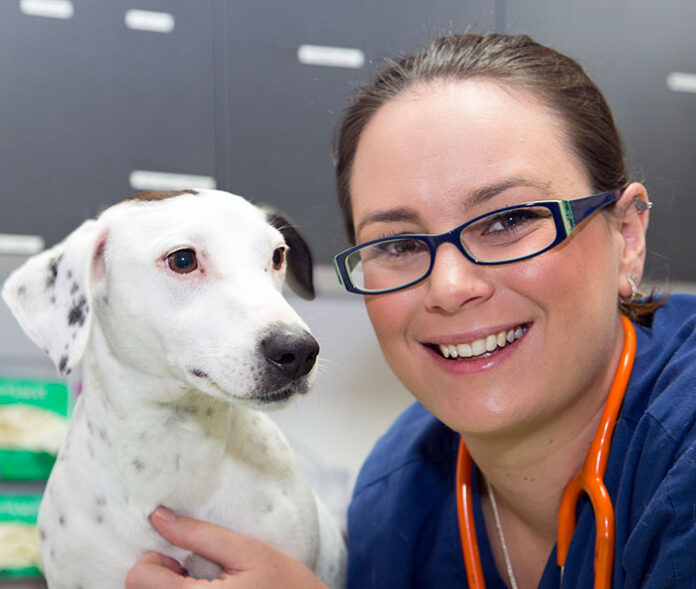
A local vet service has seen a spike in the number of pet admissions due to tick bites.
This year Animal Emergency Service (AES) at Tanawha has seen more than 300 dogs and cats suffering the effects of ticks, an increase on the 250 admitted last year.
“Paralysis ticks are a huge problem all over the Sunshine Coast,” Dr Danielle Huston from AES said.
“We have treated pets who live in apartments at Kings Beach to those living on property in the hinterland. Ticks are carried on wildlife and can drop off anywhere, therefore there are no ‘tick free’ areas.
“The weather of the Sunshine Coast – warm and wet – is the perfect environment for ticks to breed.”
The vet said prevention and regular searching of your pet was the most effective way to reduce the risk of tick paralysis.
“Keeping grass cut short can help but using an effective preventative all year around is the most important step,” she said.
“Because it doesn’t get cold enough here on the Sunshine Coast to effectively kill ticks, we see cases all year round.
“Paralysis tick cause a lower motor neuron paralysis, which means they prevent the nerves talking to the muscle throughout the whole body.”
She said symptoms of tick paralysis could be any combination of wobbly legs or difficulty walking, breathing problems, vomiting, a change in bark or meow and the inability to blink.
“The earlier we can treat tick paralysis cases the better are our chances of getting these animals home,” Dr Huston said.
“However, it can be a very unpredictable condition and every year we lose score of animals, even with treatment.
“At the most advanced stages we can get some animals through with life support – however, this is a massive endeavour and not an option for many people.
“So if you notice anything abnormal about your pet, it is best to have them checked by a vet as soon as possible.
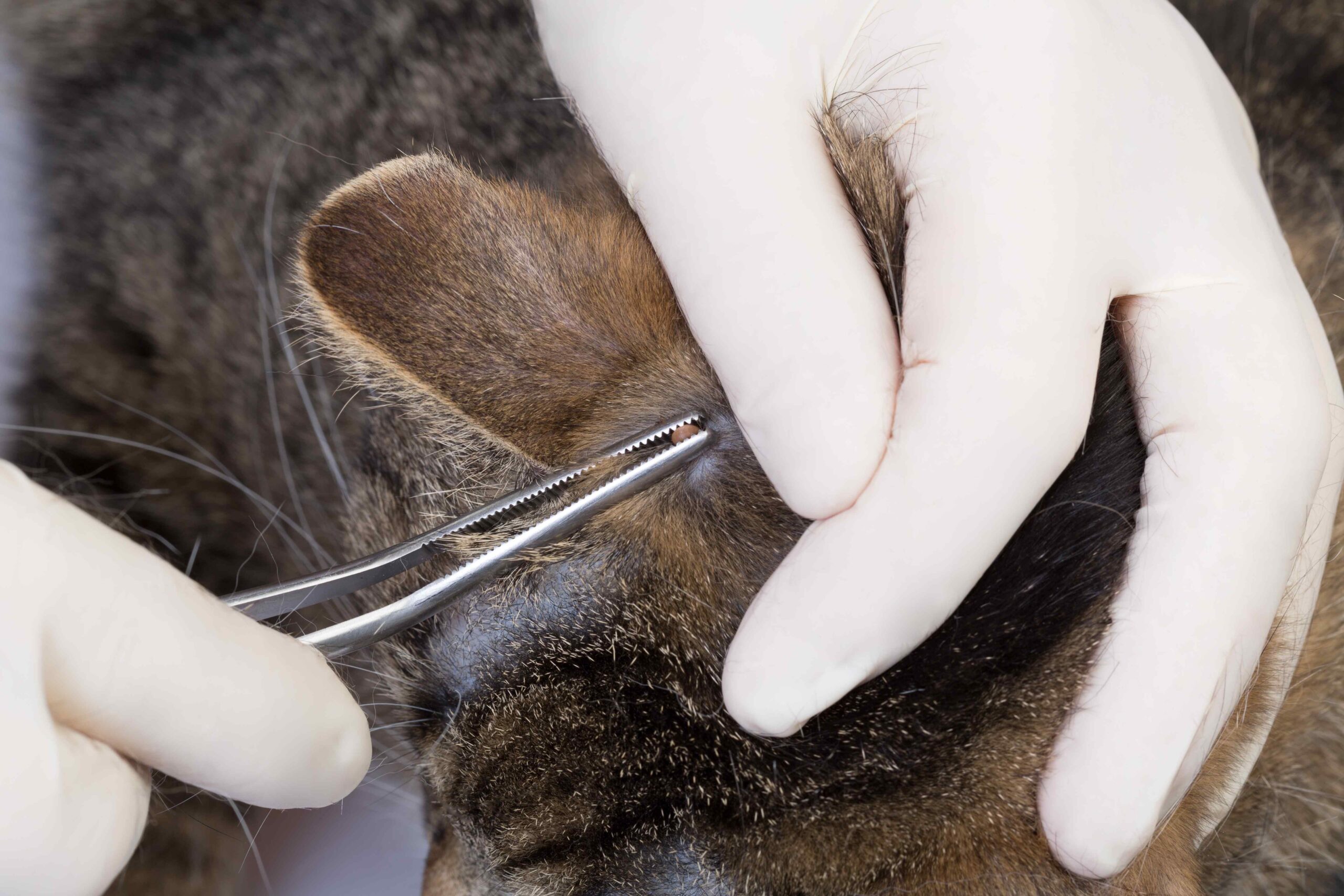
“If you find a tick on your pet, it can be removed by grasping the tick close to the skin and twisting and pulling it out.”
Subscribe to our FREE daily news feed. All it requires is your name and email at the bottom of this article.
“The biggest concern with hot weather is the potential for heat stress, mostly affecting dogs but guinea pigs are also a high risk,” Dr Huston said.
“Dogs don’t sweat – their major cooling mechanism is panting – and so our brachycephalic breeds (those with flat faces such as pugs and bulldogs) are at highest risk because the structure of their airways compromises their ability to pant.
“Avoiding exercise during hot weather is important. Ensuring animals have plenty of access to fresh water and shade is essential. Providing things like shallow pools can help with animals keeping cool.”
Almost half of Australian households keep at least one dog (48 per cent in 2022), and a third of all households have at least one cat.
Last year Australian households spent over $33 billion on their pets, according to the RSPCA.
Animal Emergency Service started in 2013 when it took over the pre-existing Pet ER at Tanawha. AES has more than 50 staff and sees over 6000 patients a year.
The service is part a larger group called Animal Emergency Australia, which opened its first hospital in Brisbane in 2005. It now includes a group of nine hospitals, an education department and support offices with more than 600 team members across Australia.
The Tanawha facility is open 24 hours, seven days a week. For more information click here.
Help us deliver more news by registering for our FREE daily news feed. All it requires is your name and email at the bottom of this article.