

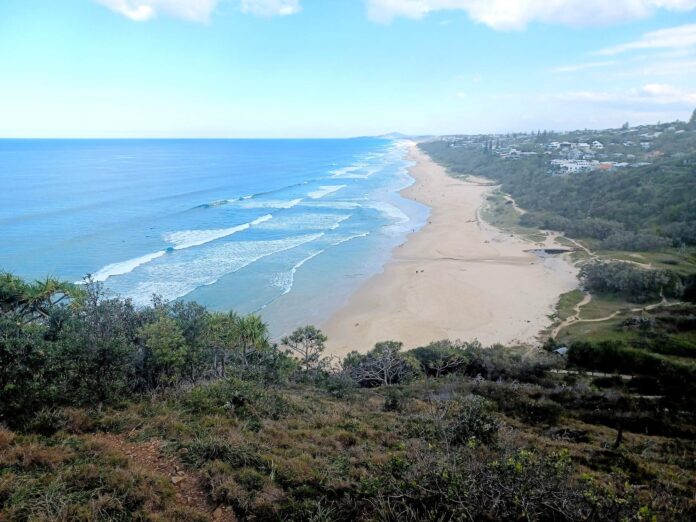
Drier conditions, associated with El Nino, could help Sunshine Coast beaches bounce back after years of being battered by wild weather.
The expected change follows a report led by University of the Sunshine Coast geographer Dr Javier Leon into the impacts of three straight La Nina summers on the Noosa coastline. Dr Leon, who collaborated with The University of Queensland, EOMAP and Noosa Council, presented the findings at the most recent Australasian Coasts and Ports conference as the Bureau of Meteorology stepped up its El Nino alerts.“We used latest satellite, drone and modelling techniques, together with AI machine learning and citizen science to observe changes at six wave-dominated sandy beaches,” the UniSC Senior Lecturer in Physical Geography said via a UniSC media release.“Beaches were very dynamic, with the shoreline changing up to 50m along some sites and dunes eroding up to 3m in height.“This tech produced amazing time-lapse photos and footage of erosion cycles at locations such as Sunshine Beach, including up to 4m lost at the Burgess Creek mouth.”
Related story: Program predicts how region’s coastline could changeThe recordings show the natural and built environment along Noosa’s famous coastline, from frolicking dolphins and surfers to multi-million-dollar homes overlooking the vista.“Our analysis found the frequency of coastal storms in this region increased considerably, from an average 7.2 storms a year in the preceding five years to 12.6 storms a year during the triple back-to-back La Nina between 2020 and 2023,” he said.“The La Nina storms were less intense but lasted longer. Building an understanding of coastal response to both gradual and extreme events is critical in an era of rising sea levels likely to exacerbate already existing trends.”
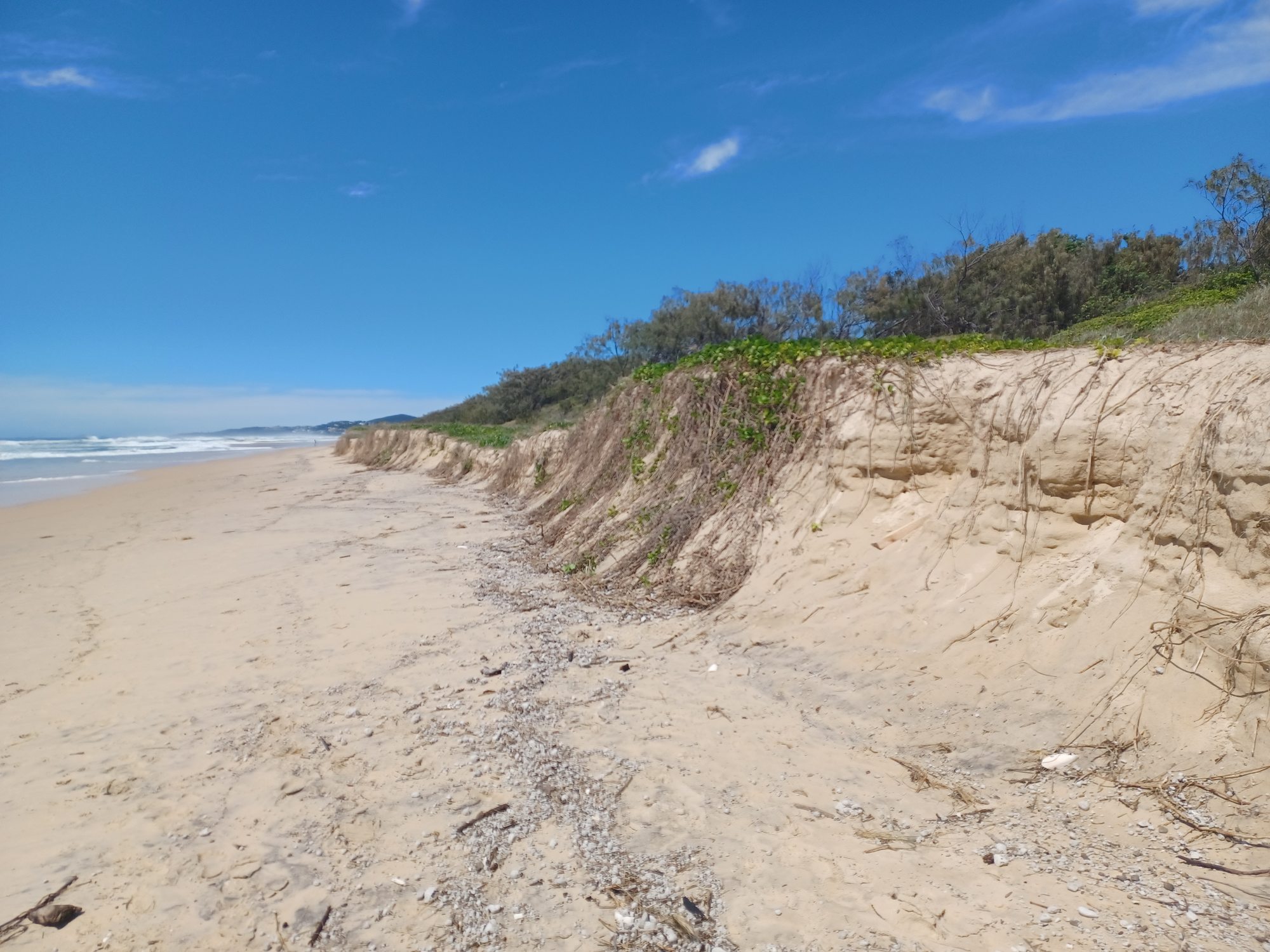
Dr Leon, who is UniSC’s representative on the Queensland Disaster Research Alliance committee, and his research students will take advantage of the expected beach recovery during this El Nino cycle.“We should expect sand to gradually come back to beaches along the South-East Queensland coast during El Nino, unless a cyclone or east coast low hits too close,” he said.“It will be a good time to monitor how sediment returns to coastal systems and prepare for the next period of erosion.”This will include an opportunity for more citizen scientists to join the research by uploading their photos of Sunshine Beach from a new CoastSnap monitoring site on the headland.
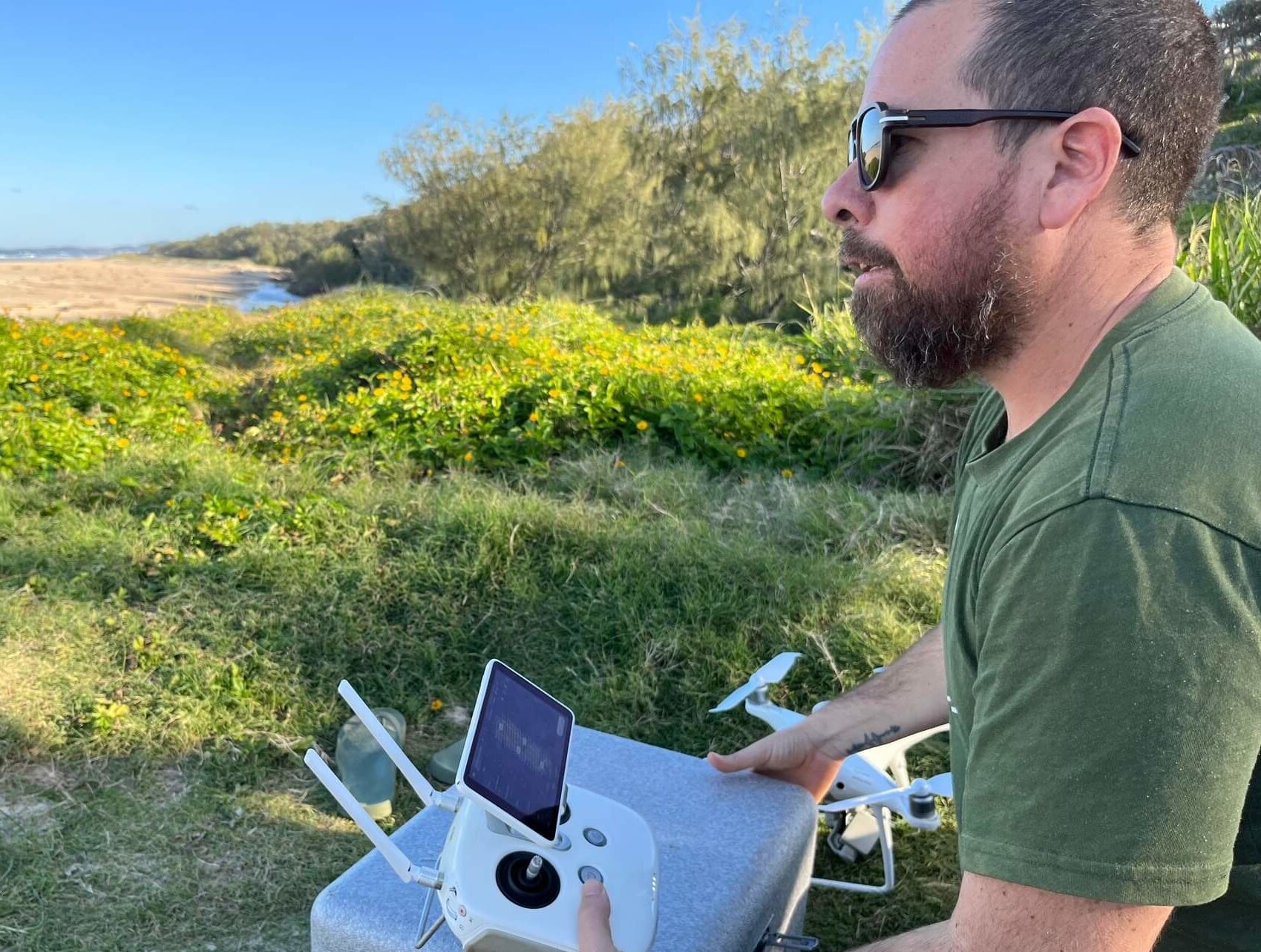
Primary school students have already been using the camera installed in August as part of the CoastSnap program in partnership with UniSC, Noosa Council, UNSW and QPWS.“We can convert the photos into meaningful information and feed this back into the community as evidence for future decision-making on beach management, from dune protection and sand nourishment to coastal planning,” he said. The Australian Government’s State of the Environment 2021 report found that 87 percent of Australia’s population lived within 50km of the coast, with more than 22 million Australians calling the coast home.
“With more extreme La Nina and La Nina–like climate patterns expected in the Pacific in coming decades, it is critical to take action to mitigate climate change and engage in serious discussions about coastal adaptation strategies, including managed retreat,” Dr Leon said.



