
A bacterial outbreak in hospitals around the nation has been linked to more than 40 people, including an elderly patient who reportedly died on the Sunshine Coast.
Australia’s medical watchdog has issued a quarantine notice for saline products which appear to be contaminated with Ralstonia – a form of bacterium normally found in soil and water.
Some saline products used at hospitals are being removed from use after the Therapeutic Goods Administration issued an alert, following a bacterial outbreak in NSW.
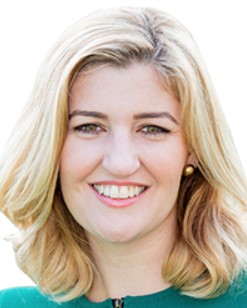
Scientists in the ACT had identified products from India and Greece as a possible source of contamination, Queensland Health Minister Shannon Fentiman said on Tuesday.
There are 43 suspected cases across the country.
Ms Fentiman expressed her condolences to the family of an elderly patient who reportedly died at Buderim Private Hospital last week after the bacteria was found in their blood.
Queensland’s chief health officer John Gerrard said he could not comment on the extent to which the infection contributed to the elderly patient’s death because the matter was before the coroner.
He said there were another two confirmed infections and three probable cases in Queensland but they were considered mild.
Three private hospitals in Queensland have been linked to Ralstonia cases.
No cases have been identified in Queensland public hospitals.
Help keep independent and fair Sunshine Coast news and opinion coming by subscribing to our free daily news feed. All it requires is your name and email at the bottom of this article.
Two InterPharma sodium chloride products have reportedly been quarantined for patient care amid fears they are contaminated with Ralstonia.
The identified saline products were in use across seven Queensland Health services and have been removed.

“An investigation has been under way across all the states of Australia to identify the source of the infection,” Dr Gerrard said.
“Microbiologists in the ACT identified the organism in at least one likely source in saline products imported from overseas.
“These products have been removed from Australian public and private hospitals following an alert issued by the Therapeutic Goods Administration on Friday.”
He said a multi-state investigation was still under way to determine whether there were other infection sources.
“I do not want to say … that all risk has been removed,” he said.
Dr Gerrard said Ralstonia was usually harmless and couldn’t spread from one person to another.
“Ralstonia is a common organism in the environment,” he said.
“It thrives in water. It is commonly identified in rivers, streams and lakes.
“The biggest risk is if a person is injected by some means into the blood with the organism.”
It is not the first time a bacterial cluster of this nature has occurred, Mr Gerrard said.
In 1990, some 19 people were infected from water samples contaminated with Ralstonia.
“If you look at the 1990 cluster, there were six patients who died out of the 19 but all of them had other medical problems and other potential explanations for their deaths,” he said.
“They are mostly not straightforward patients because they’ve all got some medical problem that’s required them to have the drip in the first place.”
An urgent patient safety alert was issued by Queensland Health on Friday after Ralstonia’s link with previous outbreaks in healthcare settings from contaminated medical fluids.
The bacteria is of particular concern for patients with underlying health conditions and those with implanted medical devices.
Last month NSW Health authorities asked every state to be on the lookout for Ralstonia cases after a cluster of infections was identified, but with no apparent cause.
No cases have been reported in Victoria or Western Australia.
Want more free local news? Follow Sunshine Coast News on Facebook, LinkedIn and Instagram.