

Cheques are all-but dead and cash is dying.
The way we often pay for goods – waving our watch or phone in front of a screen – would have seemed very sci-fi just a few years ago.
Cash is so rarely used these days, the paper money colours are akin to the kind in childhood games and toy cash registers.
So on the nose is cash that some places boldly proclaim they just don’t deal in it anymore.
You can’t give a bus or train driver cash.
Uber drivers don’t deal in it.
I recently heard a vendor tell a customer they do not accept coinage as payment, even though it is legal tender.
What they should say is that it is inconvenient for them to count the 5c or 20c pieces, move cash from bank to business or keep a cash float.
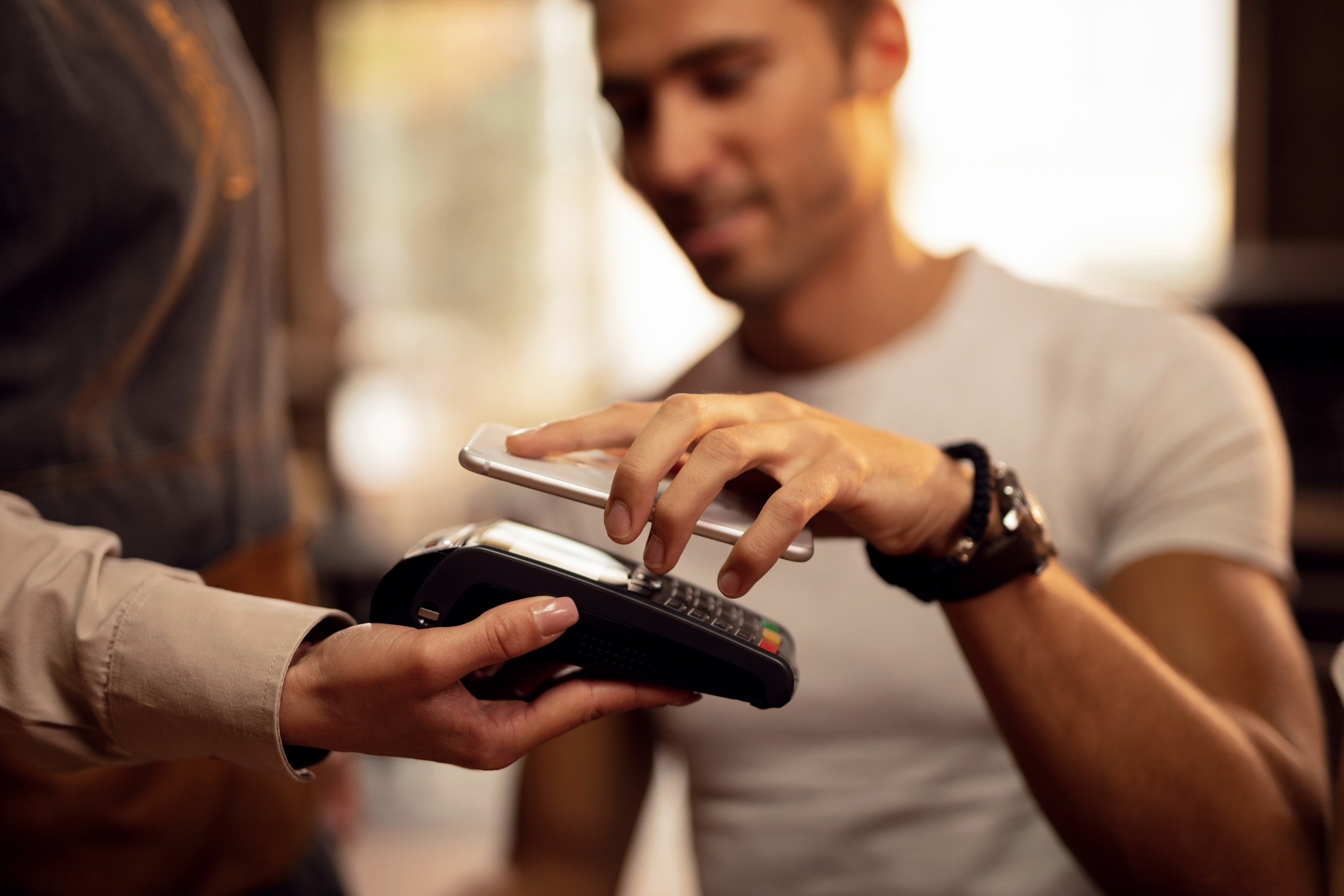
Australia is one of the most cash-averse nations, with only Sweden (which is now almost completely cashless), Denmark and Hong Kong ahead in the virtual money stakes.
But we need to be careful not to switch it off just yet, because sometimes we really need it.
The WiFi goes on the fritz.
The power goes out.
You want to put some money in the busker’s guitar case.
Those social media marketplaces might be digital, but most sellers would still prefer to see cold, hard cash to be sure they are not being ripped off.
Even though physical cash is a grubby germ smorgasbord, its reputation is similarly dirty for being linked to under-the-table transactions to avoid tax payments or for black market dealings involving drugs, weapons or stolen property.
But studies have shown that people spend far more when they use virtual instead of physical money.
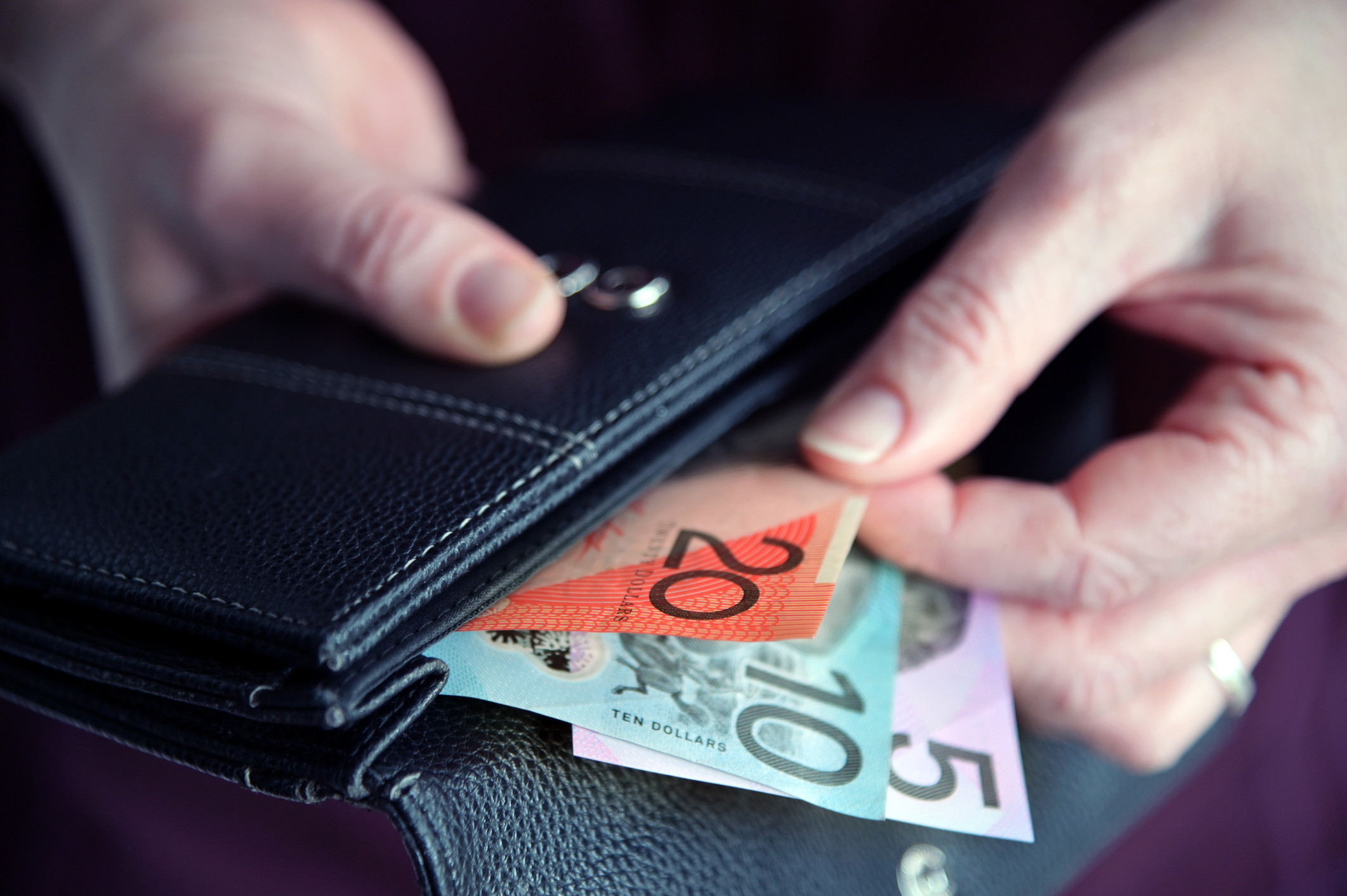
When you actually hand over the dosh, you can watch it dwindling.
Cash makes teaching kids about money vastly easier.
Do you have an opinion to share? Submit a Letter to the Editor at Sunshine Coast News via news@sunshinecoastnews.com.au. You must include your name and suburb.
Cash is also still needed in rural areas, where internet connections are dodgy or non-existent.
Cash payments are more private – leaving no virtual footprint.
Cash guarantees a surprise present remains a surprise from the one you share a bank account with.
Elderly and low-income consumers rely on cash, and those in abusive domestic situations are encouraged to have an emergency stash because it’s easier to conceal from perpetrators who control or monitor their bank accounts.
So, let’s not kill cash off yet.
The price might be one we can’t pay.
Dr Jane Stephens is a UniSC journalism lecturer, media commentator and writer.