
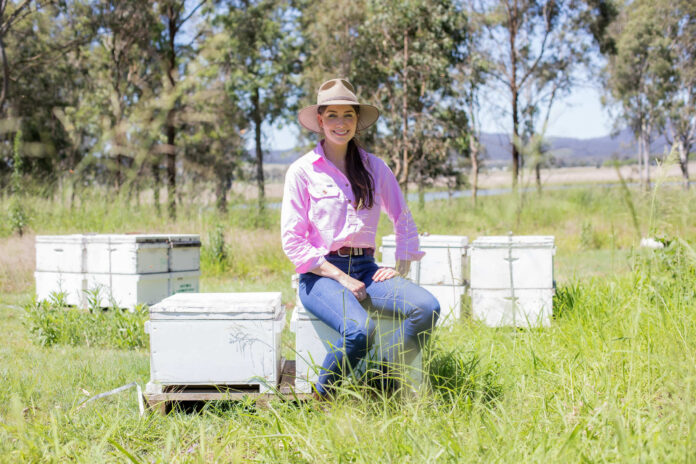
A nutrient-rich product discovered in honeybee hives across Australia could generate a new homegrown health industry.University of the Sunshine Coast researchers have identified, for the first time, 16 types of Australian high-grade propolis, or ‘bee glue’, brimming with enough antioxidants and other chemical properties to spark a new national industry for food and health products.
The findings have excited the team led by chemistry academics Dr Trong Tran and Dr Peter Brooks, who previously collaborated on national research that found exceptional antibacterial activity in Australian manuka honey.Propolis is a sticky mixture used by honeybees in the construction of their hives. It usually contains beeswax, bee saliva and resin from the native and non-native plants that bees pollinate.In the Australian beekeeping industry, propolis is regularly discarded as a nuisance product. In countries such as Brazil, China and New Zealand, it is harvested for use in multimillion-dollar food and cosmeceutical industries.
Dr Tran said the two-year collaborative project, which received funding from Hive and Wellness Australia, owners of the Capilano honey brand, and AgriFutures Australia, had found the superior qualities in propolis scraped from honeybee hives across the country, including four in South-East Queensland.
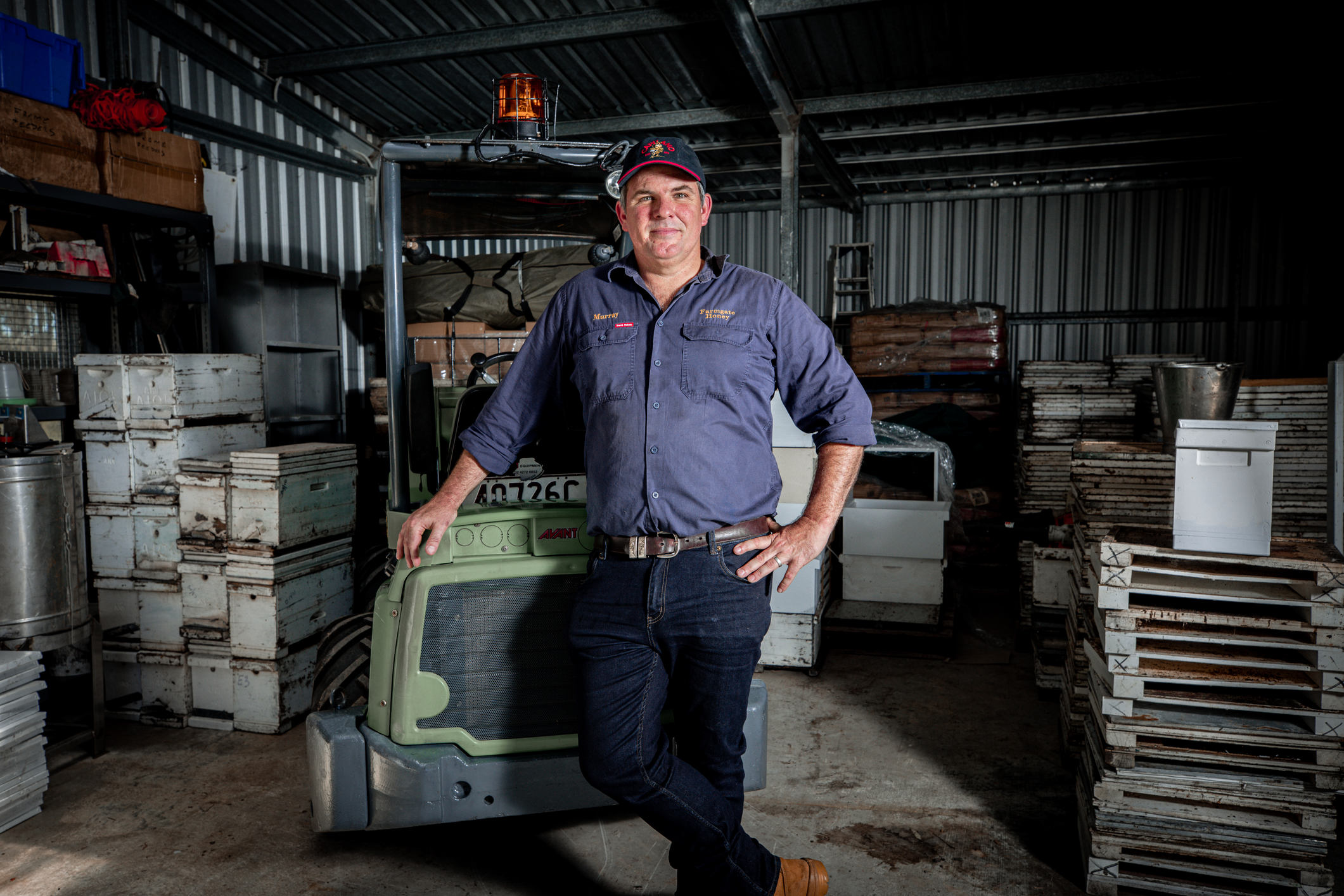
Beekeeper Murray Arkadieff, whose hives near Ipswich produced some of the most active propolis samples in the state, said the positive findings provided opportunities for a new revenue stream for Australian beekeepers and more industry jobs.“This will help to further reinforce the exceptionally high quality of Australian honey and our hive products both in Australia, and internationally,” he said. The paper in Nature Scientific Reports assessed the quality and chemical diversity of Australian propolis from Apis mellifera or European honeybees, common across the country.
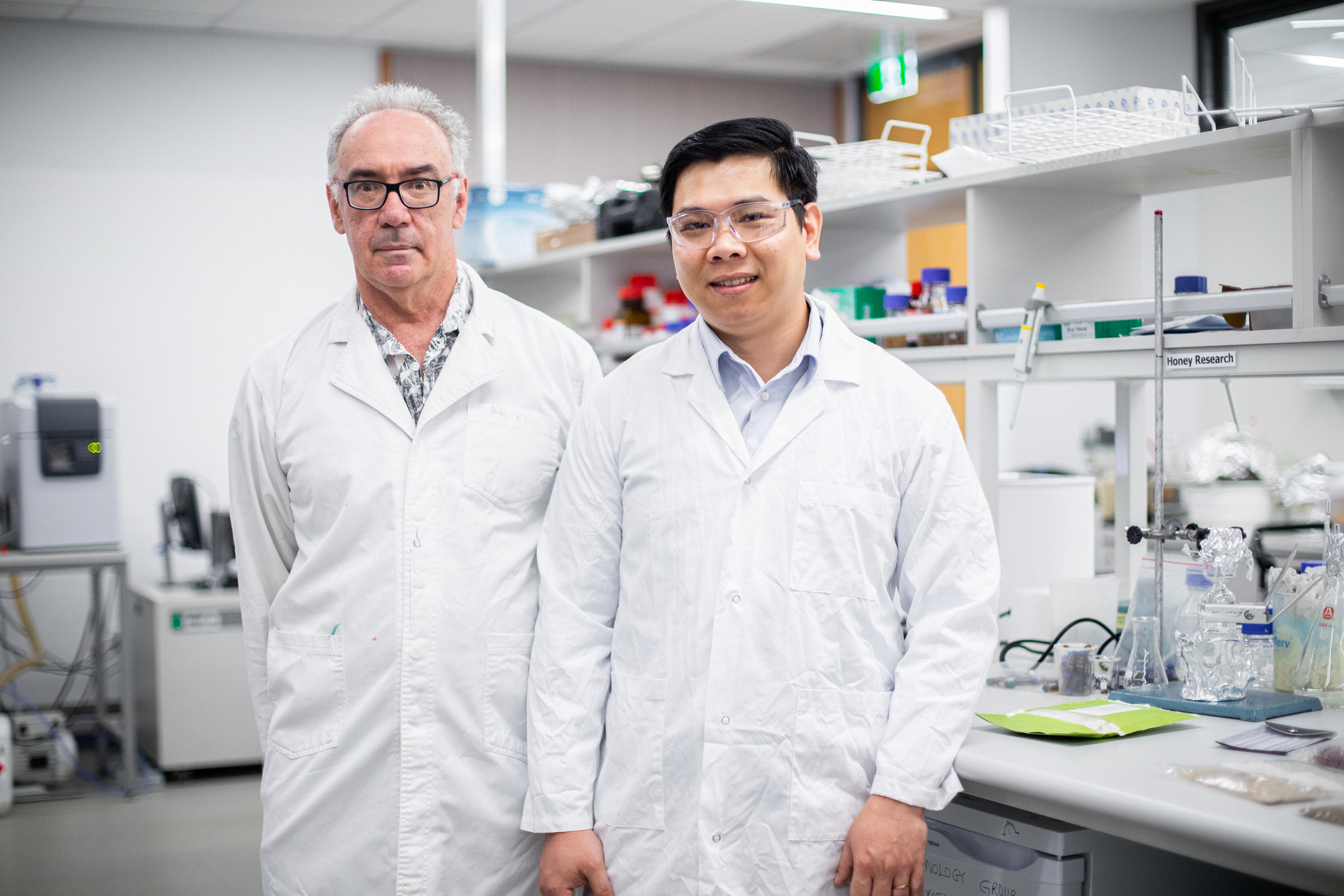
Dr Tran said the research confirmed the chemical makeup of 16 propolis samples had more potent antioxidant activity than some well-known international types generating big profits overseas.“Established cosmeceutical industries add propolis to products intended to have both cosmetic and therapeutic benefits, such as mouth sprays, soap, toothpaste, dietary supplements and skincare creams,” he said. “In the food and beverage industry, propolis can be a preservative.”Dr Tran said propolis had been used in many cultures for centuries as a natural antibiotic, but research papers since the 1990s had increasingly found much more than antimicrobial potential, including the possibility of adjunct treatments for cancers and COVID-19.
Researchers and co-authors from Hive and Wellness Australia said the findings were very encouraging for the beekeeping industry, which currently has 530,000 honeybee hives.“At the moment, we only have small-scale propolis production, mainly in South Australia,” said Dr Ben McKee, chief operating officer at Hive and Wellness.“More domestic harvesting would provide extra income for beekeepers and processors while reducing the reliance on imported propolis in manufacturing.“This research could be a solid foundation to build a new industry across the country.”
The UniSC team recently published three papers on propolis. Dr Tran said the next step would be tracing the plant sources of the samples, to inform plant biodiversity measures and hive locations.“This study indicates Australia has the capability to produce unique and premium propolis types because of its unique and diverse native flora,” he said.
The paper was authored by UniSC’s Dr Tran and Dr Brooks with Chau Tran, Tahmikha Bryen and Dr Simon Williams, and Hive and Wellness Australia’s Jessica Berry, Fiona Tavian and Ben McKee.
It followed an AgriFutures Australia report in 2019 that recommended further research to help Australia grow its propolis production and market. It reported that the farm gate value of propolis production to New Zealand beekeepers was averaging $NZ3.75 million a year.
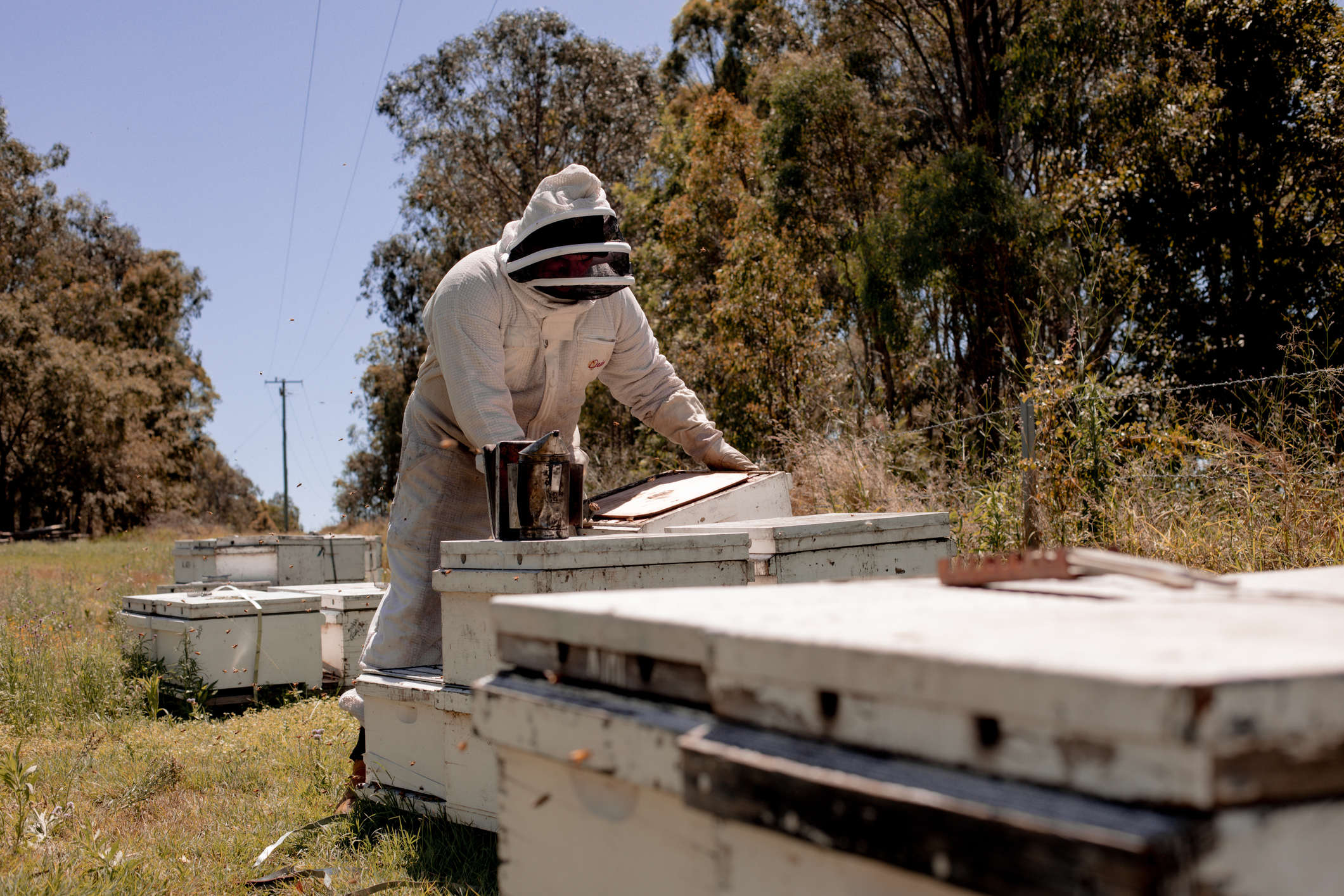
AgriFutures honeybee and pollination program research manager Annelies McGaw said the findings could strengthen the industry.“The annual contribution of the honey bee to our economy is $14.2 billion, however over recent years this industry has been severely impacted by bushfires, floods and pest incursions like Varroa mite,” she said.“Although there is still more work to do to better understand the benefits of propolis, the potential commercialisation could provide a very welcome and timely income stream for Australian beekeepers.”
See more at AgriFutures Australian Propolis Project.Local journalists supporting local people. Help keep independent and fair Sunshine Coast news coming by subscribing to our FREE daily news feed. All it requires is your name and email at the bottom of this article.