

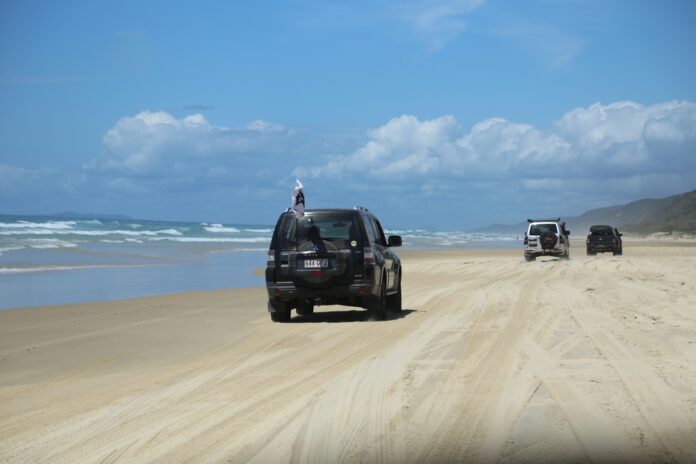
Holiday-makers between Noosa North Shore and Double Island Point will have the chance to be part of an ‘Australian first’ study aimed at making going ‘up the beach’ safer.
This Easter weekend, University of the Sunshine Coast researchers will start examining the experiences of beach drivers along the popular but accident-prone stretch, in order to identify potential solutions to dangerous driving.
Levi Anderson of UniSC’s Road Safety Research Collaboration, which partners with the Motor Accident Insurance Commission, said the team would be questioning drivers about their experiences, and their perceptions of enforcement and risk when driving on the sand.
Over the next four weekends, the research team will be traversing the recreational areas on Noosa North Shore and Teewah beaches in search of study participants.
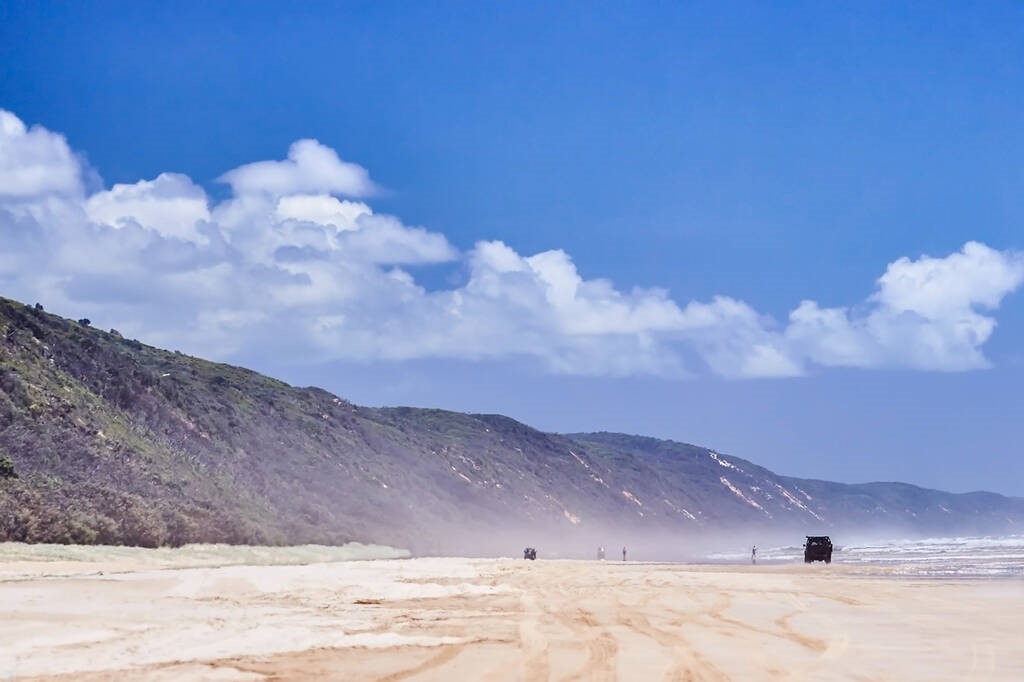
While a similar pilot study has been previously run, Mr Anderson said this much bigger study was being rolled out to incorporate more information from more drivers.
“I don’t think a study like this has been done anywhere else in Australia,” he said.
“We will be asking drivers about their behaviour and what they have seen other drivers doing as well.
“We hope to speak to as many drivers as possible.”
The results will be built on previous data collected on the beaches.
“When coupled with official offence and crash data, the results highlight the high propensity for offending by drivers and the high crash rate resulting in serious injury and fatal crashes,” he said.
“We have identified a high proportion of high-risk offending on the beach compared to our road network with a smaller proportion of drivers, compared to on the roads, and we are attempting to understand why.
“It’s about finding out why these drivers are committing these offences on the beach when they wouldn’t on our roads – to provide research support for government stakeholders working to find solutions for these risky behaviours.
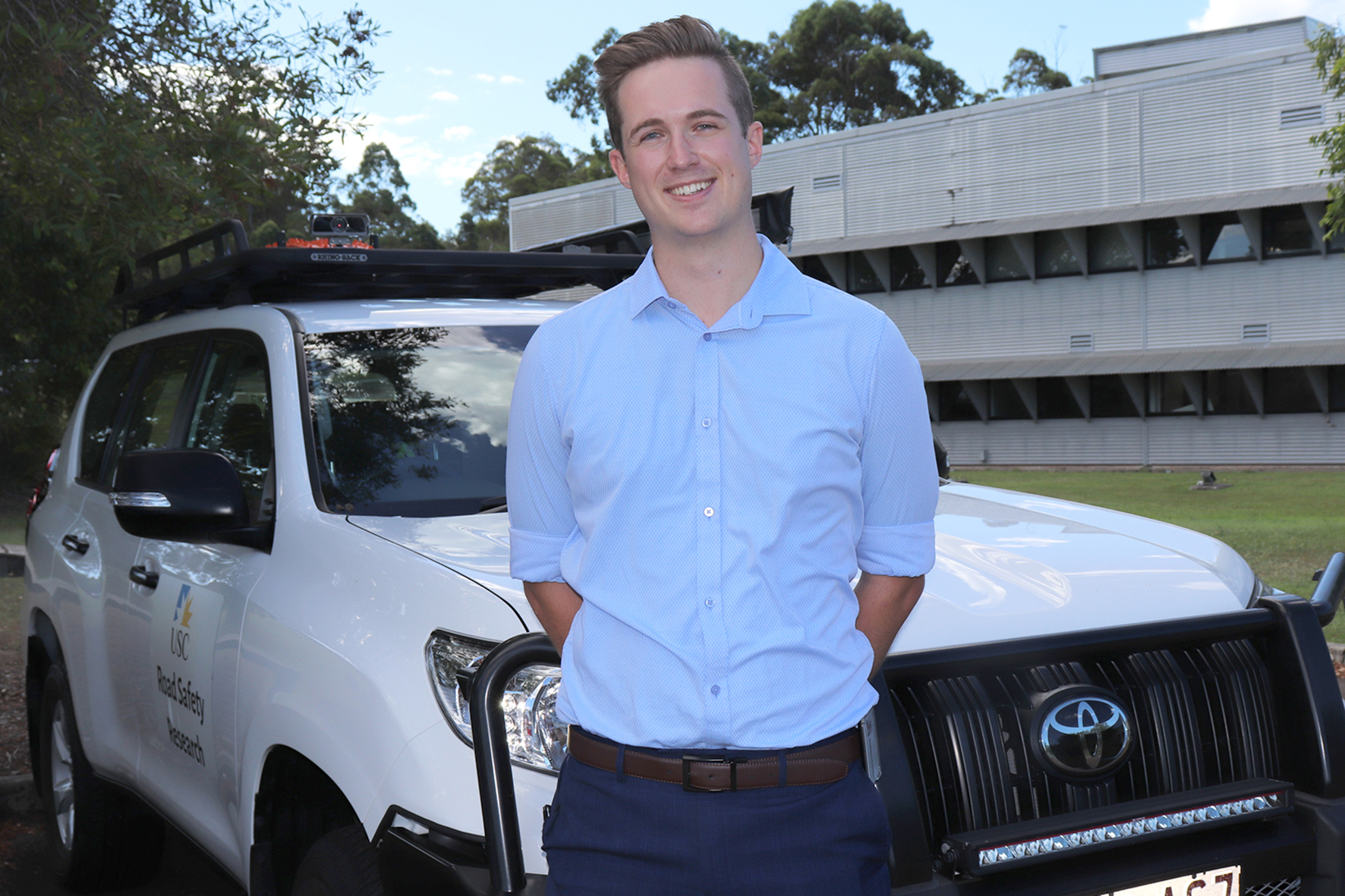
While one solution was to potentially have more police on the beaches, he said another could be launching awareness or education campaigns to help mitigate the issue.
“If drivers come back and say we need more signage, we can go to the Department of Transport and Main Roads and say feedback suggests there needs to be more signage up,” Mr Anderson said.
He said one of the findings researchers had previously discovered was beach drivers’ reduced perception of being caught.
“There is a lower perception of being caught on the beach but there is also a lower perception of being injured on the beach, which is quite a unique finding,” he said.
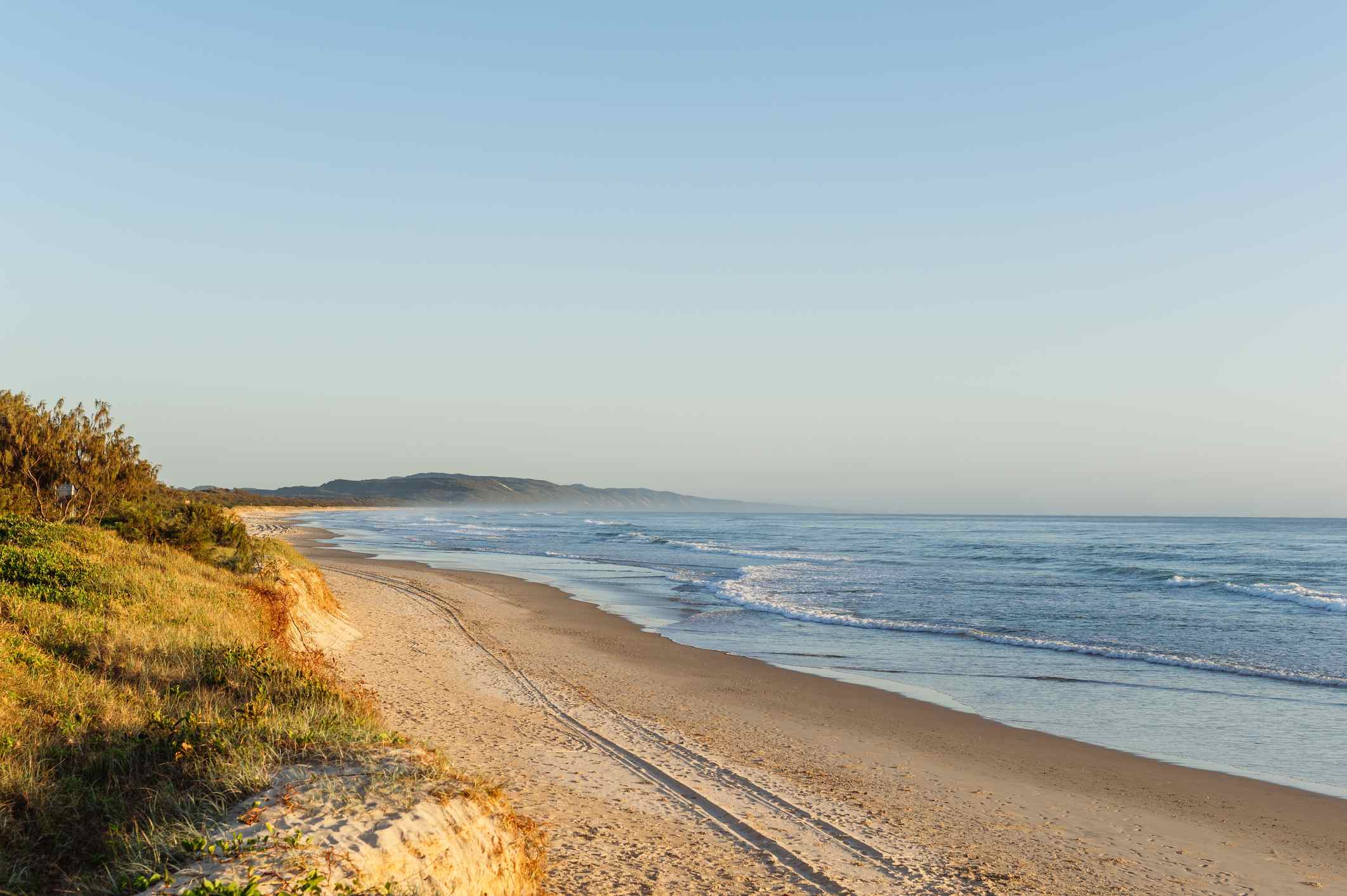
He said on January 4 there was a P-plater roll-over with seven passengers in the vehicle – four in the vehicle and four in the back.
“Four of them were sent to hospital and four had to be airlifted. When something goes wrong on the beaches, not only are people so far away from emergency services, often the crash itself is much more severe,” he said.
“There is a misconception that this kind of behaviour on the beach is safer because it is this big white sandy area. But unfortunately it’s not and people are being injured and killed.”
Related story: Beach hoons and rowdy campers on notice
He said another likely factor of dangerous driving was the proportion of beach drivers impaired by alcohol or drugs.
“Being a Queenslander, some of our beaches are the best in the world and it’s unfortunate there is a group of people that are willing to go up there and make it dangerous for everyone,” he said.
“We hope people will jump onboard and support the research to make our beaches a little more safer.”
It comes as Noosa Council is also calling on drivers to “play it safe on Noosa North Shore and Teewah beaches these holidays”.
Drive safely, plan for high tides and steer clear of vegetated dunes is the message from the council, as authorities gear up to enforce the rules.
Mayor Clare Stewart said the council would deploy additional local laws officers to Noosa North Shore to support enforcement efforts by Queensland Police and Queensland Parks and Wildlife.
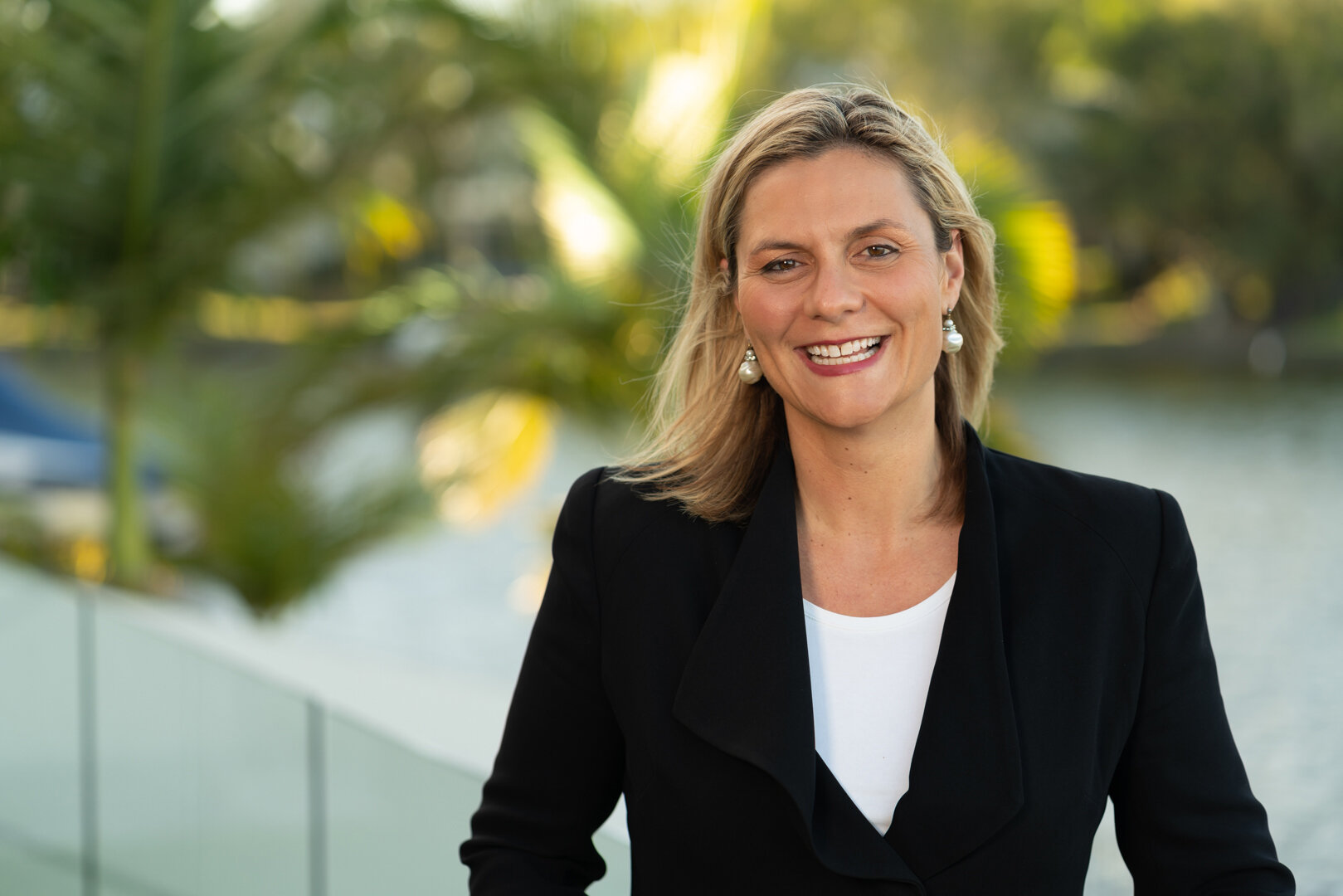
“If you’re heading up the beach camping, we want you to have a great time, but sadly the Easter holidays are notorious for crashes, environmental damage and poor driver behaviour,” Cr Stewart said.
Police officers will be on the beach enforcing speed limits and targeting dangerous driving.
“Similarly, Queensland Parks and Wildlife officers will be checking drivers have beach permits. Our local laws officers will be on the beach across Easter to support the QPS and QPWS effort,” she said.
The mayor said council had also deployed roadside variable message boards to warn drivers against driving on the beach close to high tides.
SUBSCRIBE here now for our FREE news feed, direct to your inbox daily.



