
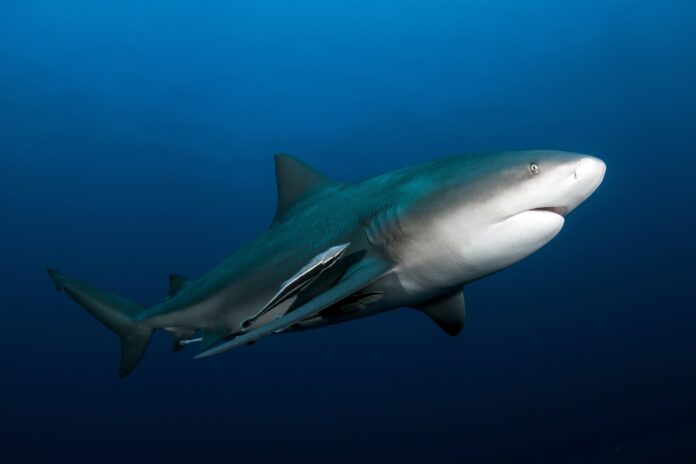
A breakthrough study on bull sharks in Sunshine Coast waterways will get underway in earnest next month.
The University of the Sunshine Coast initiative is aimed at understanding the habitat use and population of bull sharks, to inform future ecosystem management and shark control initiatives in the region.
Animal ecology lecturer and project leader Dr Bonnie Holmes said the study should provide some long-awaited information.
“We currently know little about bull shark habitat use in Sunshine Coast waters,” she said.
“This project will be the first conducted in this region to determine important data on bull shark abundance and seasonal variation of the species in these river systems.”
The study is funded by UniSC, the Queensland Department of Agriculture and Fisheries, Sunshine Coast Council and SEA LIFE Mooloolaba. It will run until 2026.
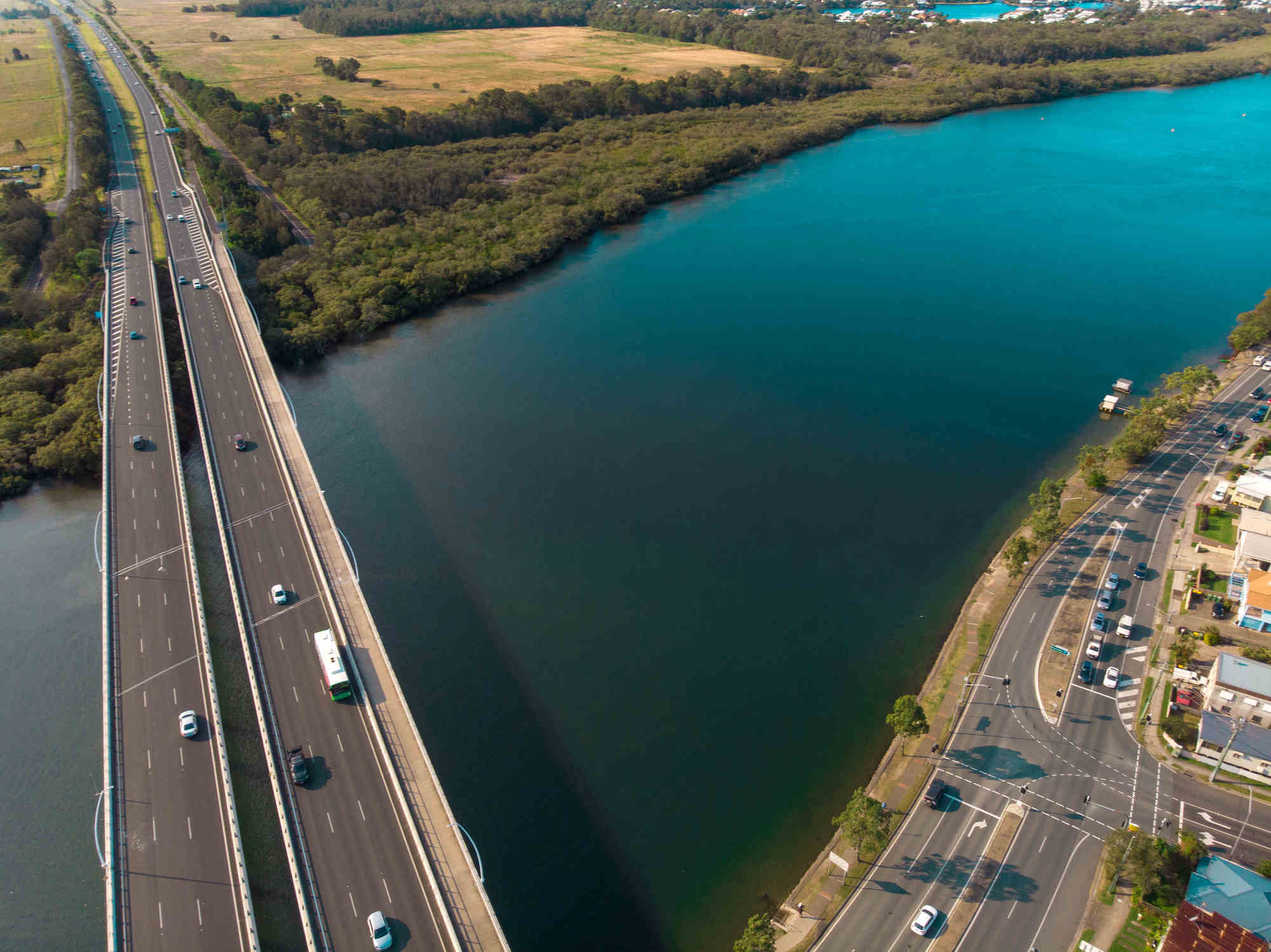
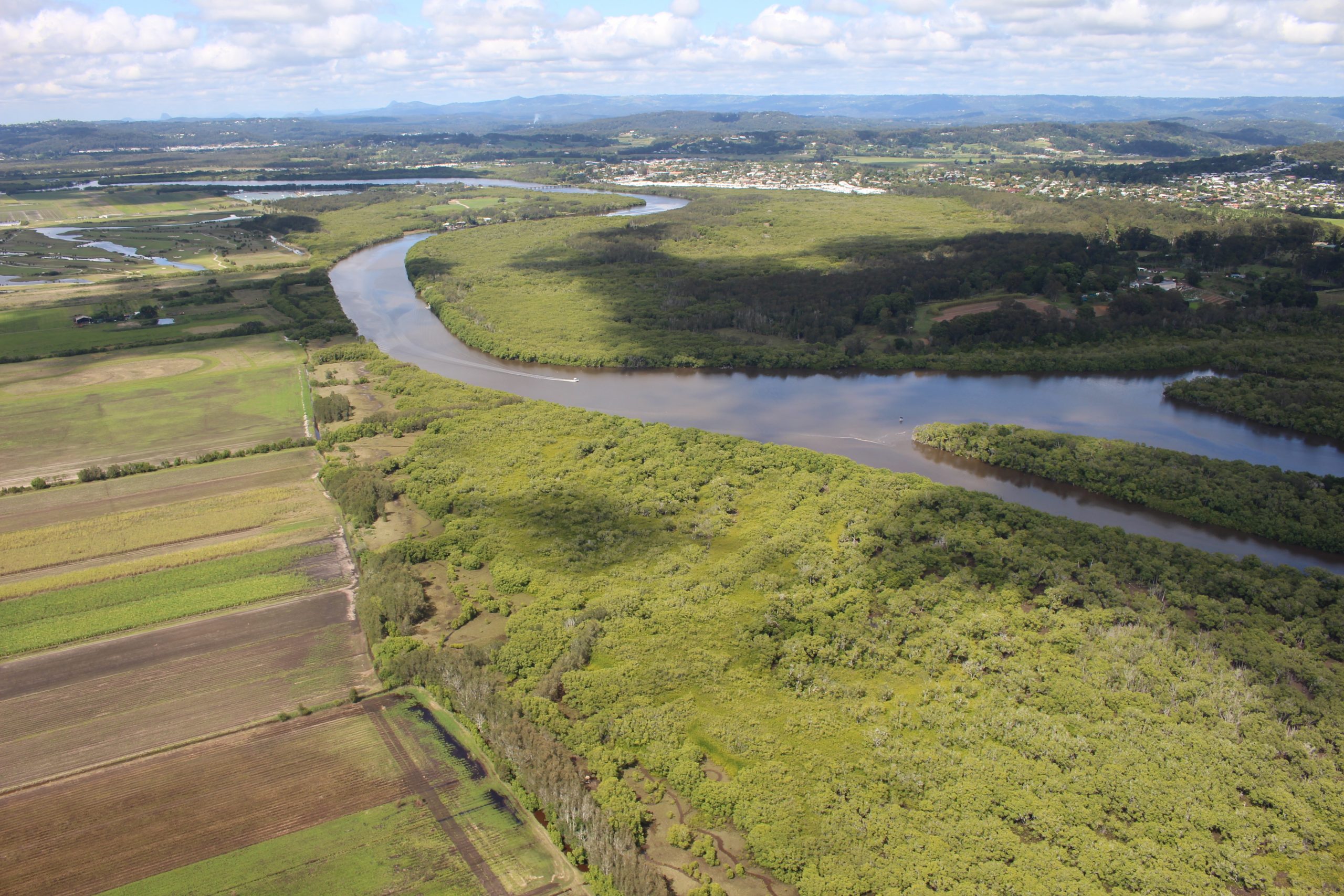
Dr Holmes and her team will use acoustic tags to track adults and juveniles in the Maroochy, Mooloolah and Pumicestone Passage waterways, including canals.
“Movement data will then be able to be correlated with environmental data, like rainfall, salinity and temperature, to identify preferred habitats by bull shark size and sex,” Dr Holmes said.
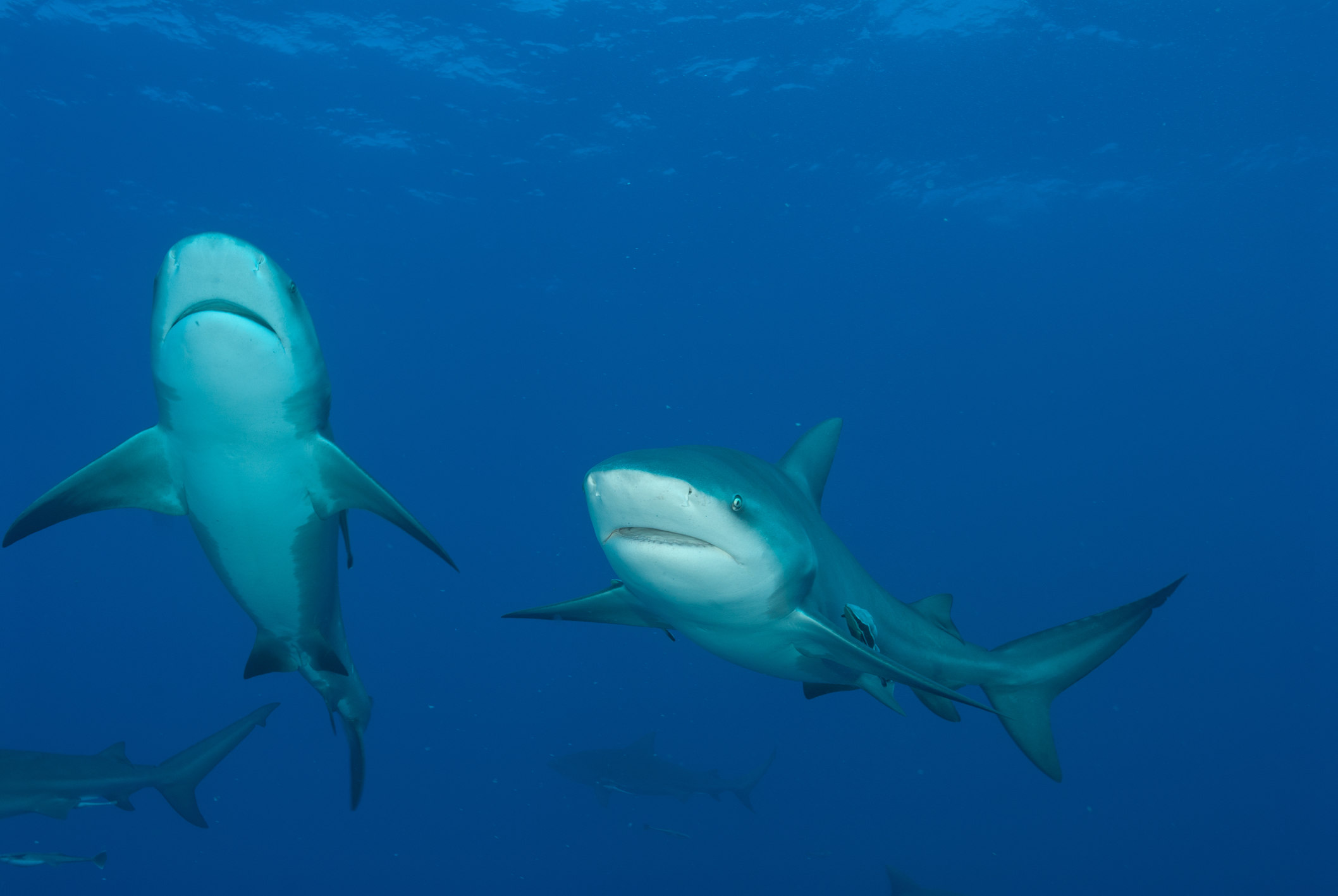
“We have no estimates regarding numbers or population trends yet, which is why the study is so important to the region.
“We will determine how many female bull sharks return to the specific rivers each reproductive season, by exploring the genetic relatedness of individuals captured in each river.”
Dr Holmes said preliminary research indicated that sub-adult bull sharks utilised the river systems.
“But this study will reveal, in a lot more detail, the drivers of their abundances, how these change seasonally, how they are using the fine-scale river habitat, and how they then move out of these systems to the oceans beyond when they reach adulthood,” she said.
Although little is known about bull sharks on the Sunshine Coast, there is general knowledge about bull sharks in eastern Australia.
“Adult bull sharks inhabit nearshore and open marine environments, with large-scale coastal migrations occurring seasonally off the coast,” Dr Holmes said.
“Pregnant bull sharks utilise freshwater upper reaches for pupping, in the same river each breeding season (every two years).
“Neonates and juveniles are physiologically adapted to occupy freshwater and estuarine areas as nursery habitats for several years.”
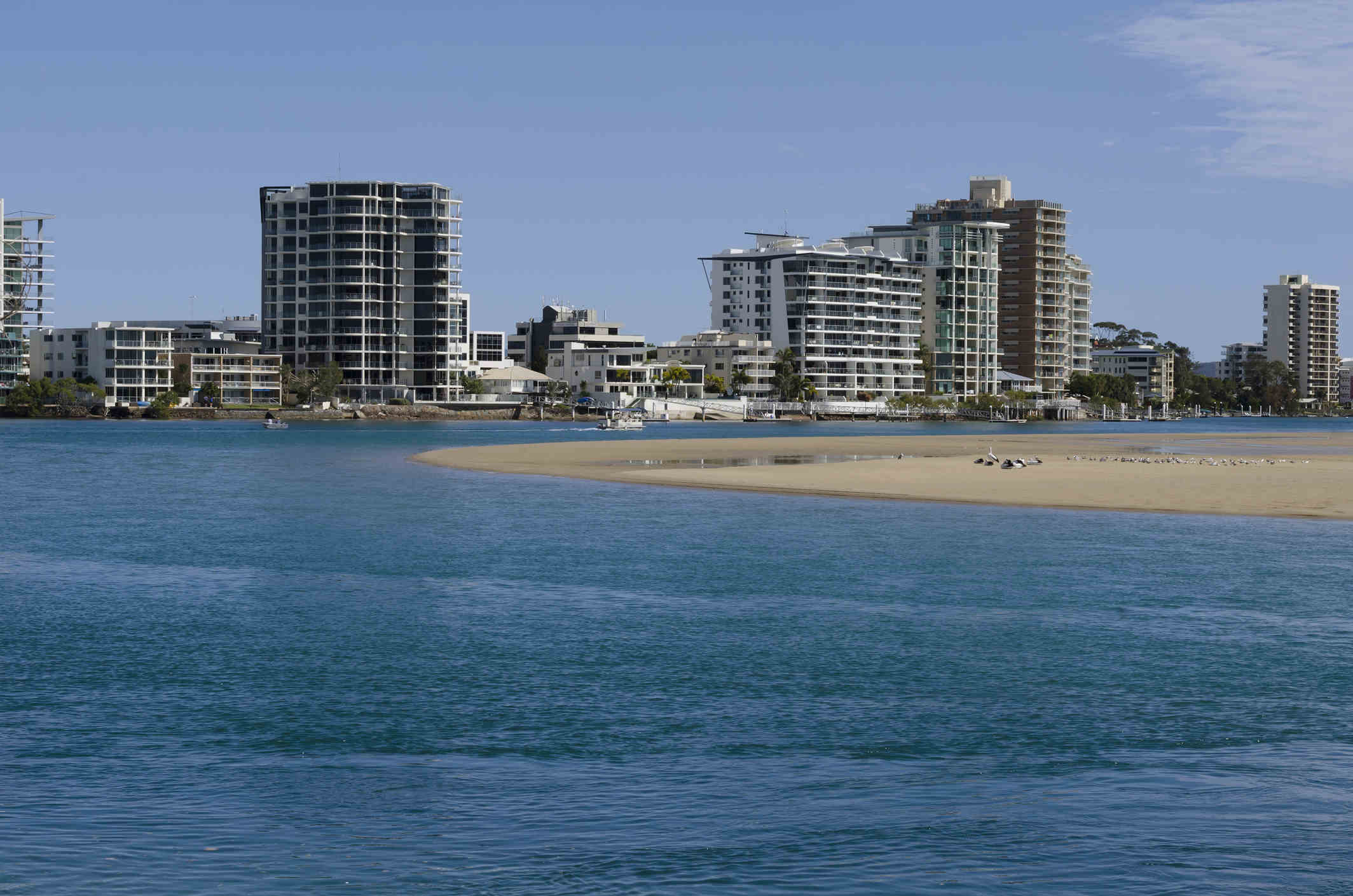
Dr Holmes said Sunshine Coast swimmers and craft users shared the space with bull sharks.
“Sharks and people use the same waterways all of the time without incidence in most cases, and have done so for many years, including in the Maroochy River,” she said.
“Shark bites are rare, but there are things people can do to reduce the risk of an interaction.
“Anyone concerned should look to the Queensland Government SharkSmart tips webpage for more information.”
A Fisheries Queensland spokesperson said the State Government was working to reduce the risk of shark bites with the Queensland shark management plan from 2021 to 2025.
That includes co-funding the research on the Sunshine Coast.
“The results of this project will help inform shark control operations, trials and community education initiatives in the region,” the spokesperson said.
“Shark bites in Queensland are rare, however, there are things people can do to reduce their risk even further.”
Among the suggestions are for people to look out for each other, avoid swimming at dawn or dusk, avoid schools of bait fish or diving birds, keep fish waste and food scraps out of the water where people swim and to swim in clear water away from fishers.
Bond University Associate Professor Dr Darryl McPhee said South-East Queensland rivers were the nurseries for female bull sharks between November and March, when they released their pups.
He also said people should be aware of their surroundings.
“Sharks can be in close proximity to people, most frequently without incident,” he said.
“People that enter the water should accept that sharks are part of a healthy marine environment and take personal responsibility when doing so.
“Entering rivers after heavy rains in summer should be avoided.”
Shark fishing
Mr McPhee said shark fishing occurred in Sunshine Coast waterways, although it was more common in Brisbane and Logan rivers.
He said the action of burleying – anglers attracting sharks with unhooked bait and scent – was generally unused by casual anglers in Queensland.
“There are no rules regarding burleying for sharks but the SharkSmart guidelines identify that this is not an acceptable practice,” he said.
“It is also not necessary as sharks can be caught without doing it. Most recreational fishers that target sharks do not use burley.”
The Town of East Fremantle recently voted to ban shark fishing from the Swan River foreshore, after a girl was killed by a shark there last month.
But Mr McPhee said that would probably not impact the number of sharks.
“It is likely to have little measurable change to the abundance of sharks or the risk of a bite to a person, which will remain very low,” he said.
The Fisheries Queensland spokesperson said anglers should be aware of rules and regulations.
“There are size and catch limits that need to be complied with by all fishers, commercial and recreational, to ensure shark species remain sustainable in Queensland.”
“Some sharks are protected and cannot be taken. Recreational fishers can take one shark per person provided they are shorter than 1.5m total length or 60cm inter-dorsal length.”
Help us deliver more stories by registering for our free daily news feed. All it requires is your name and email. See SUBSCRIBE at the top of this article.