


Doctors say Coast residents could be in for a health shock this winter as the flu makes a dreaded return after being virtually non-existent for two years.
Laboratory statistics reveal there have been zero confirmed cases of influenza on the Sunshine Coast to March 20 this year.
Last year, there were just 23 cases across the entire year compared to some 5463 cases in the pre-pandemic period of 2019.
This almost complete absence of the virus the past two years means many residents may now have significantly reduced immunity, in particular babies, toddlers and the elderly.
And with the coronavirus still doing the rounds, people could pick up both illnesses — dubbed “flurona” — leading to an unpredictable flu season.
An expert in outbreaks response, Chris Maher, told Sunshine Coast News it was difficult to anticipate the impact of a dual-infection, but it was likely it would “not be good”.
“With control measures for COVID being reduced, and higher levels of movement and human contact, the possibility is there that influenza virus could move in the community much more easily than has been possible in the past two years,” he said.
“Not many people have had a boosting of their immunity against flu by being infected with flu virus over that time, so there may be immunity gaps in the community that could make it easier for the virus to spread.”
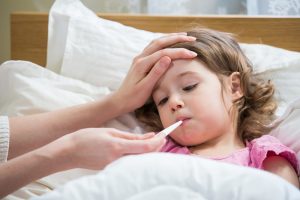
However some experts are now saying that a surge in flu could possibly be delayed until 2023, based on the recent experience of the northern hemisphere.
On Thursday Premier Annastacia Palaszczuk announced restrictions would be eased further from April 14, allowing non-vaccinated people to attend nearly all venues — pubs, clubs, cafes and restaurants, theme parks, casinos and cinemas, weddings, showgrounds, galleries, libraries, museums and stadiums.
Mr Maher said it was not out of the question that government-enforced lockdowns or tougher restrictions could be reintroduced.
“I think that depends on how bad transmission of both viruses is during the winter season, and whether or not there is a lot of serious illness and a major impact on our health system,” he said.
“Social restrictions have clearly had a role in temporarily helping to limit or slow down the spread of COVID in different settings, and in Australia they have in general worked very well.
“While I’m not in the position to have to plan for the complexities of preparing Queensland for the coming winter, I think that State Health Departments have been well exposed to the lessons of COVID and I would expect that they are planning for the contingency that the winter season is a bad one for both influenza and COVID.”
Help keep independent and fair Sunshine Coast news coming by subscribing to our free daily news feed. All it requires is your name and email. See SUBSCRIBE at the top of this article.
The federal government is gearing up for the expected spike in COVID and influenza infections, earmarking $6 billion in its budget for a winter response plan.
Health experts have continued to warn that more transmissible or severe variants of COVID-19 could also emerge.

Mr Maher is a senior specialist adviser in health emergencies for Noosa-based Respond Global, which specialises in health crisis management.
He was the senior adviser to the Director-General of the WHO in Geneva. Prior to this, he worked on the frontline of polio eradication and immunisation program management and was appointed as the chief scientist and advisor to the global program in 2012.
Mr Maher expected to see a continued strong emphasis on vaccination against both influenza and COVID.
“Vaccines provide a longer-term way of limiting the impact of COVID in particular, but also of influenza,” he said.
“We’ve seen with Omicron that vaccination is not a perfect control measure, but it is very good at reducing individual risk and it does impact on viral transmission, so it has to be considered as the best intervention we have for helping us to deal with COVID in the medium to long term.
“Vaccination against influenza is also critical. Getting the composition of the vaccines right from year to year is difficult, but something is always better than nothing and vaccines can really help limit the impact of seasonal influenza.”
Arm yourself against flu
Dr Rod McClure, from the Sunshine Coast Hospital and Health Service, said the best protection against influenza for people aged six months and older was well-timed vaccination.
“Ideally, influenza vaccination should occur before the start of each influenza season.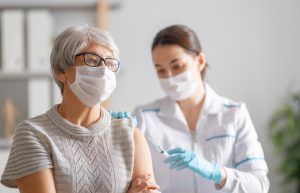
“We generally see increased influenza circulation from June. This year may be different given the co-circulation of the COVID-19 virus, the return of international travel and the recent years of very little influenza circulation.
“Similarly, the best protection against COVID-19 is being up-to-date with COVID-19 vaccination, including boosters.”
An additional winter COVID-19 dose, at least four months after a booster or confirmed infection, is now recommended for groups at highest risk of severe disease, including people aged 65 years and older, residents of aged care or disability care facilities, people aged 16 years and older with severe immunocompromised and Aboriginal and Torres Strait Islander people aged 50 years and older.



