
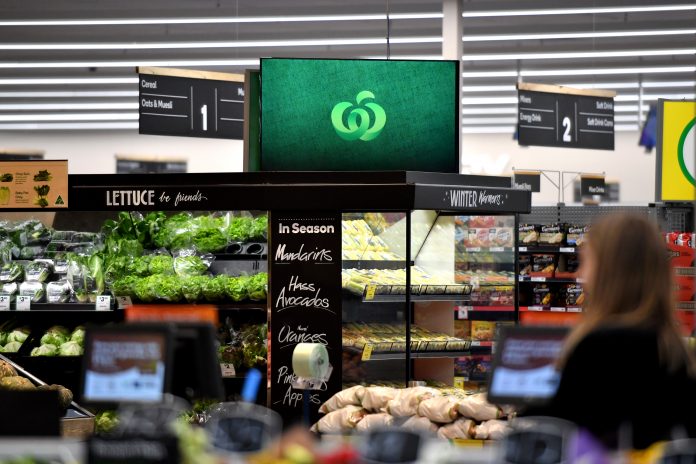
Within four years, the plastic packaging encasing any item on the shelf in Coles and Woolworths will be able to be recycled, reused or composted.
The supermarket giants are among some of the nation’s biggest food and drink brands to have signed the Plastics Pact, which makes a promise to reach a series of ambitious reduction targets by 2025.
Almost 60 businesses from across the Oceania region have committed to eliminating unnecessary and problematic plastic packaging, and to ensure that any that remain is recyclable, reusable or compostable.
Unilever, Nestle and Arnott’s Biscuits, along with Vanuatu Brewing and the Samoa Tourism Authority in the Pacific, are also among the businesses signed up.
The businesses have also pledged to increase the amount of plastic packaging actually recycled to 25 per cent and to average a quarter recycled content in all plastic packaging.
Do you have an opinion to share? Submit a Letter to the Editor with your name and suburb at Sunshine Coast News via: news@sunshinecoastnews.com.au
Woolworths head of sustainability Adrian Cullen said the Pact marked the first opportunity for the entire industry to collaborate on solutions.
“In recent years we’ve removed thousands of tonnes of plastic from our packaging and stores, but we know there’s more to do, and we can’t do it alone,” he said.
Coles chief executive Greg Davis lauded the Pact as a step towards the company goal of becoming Australia’s most sustainable supermarket, with zero waste.
However, with only 18 per cent of the one million tonnes of plastic packaging sold in Australia currently recovered, there’s a lot of work to do.
Among the businesses are representatives from all stages of the plastics supply chain – manufacturers like Amcor, retailers like Coca-Cola and Pepsi, and recyclers like Veolia.
That is crucial, the Australian Packaging Covenant Organisation’s Brooke Donnelly says, as improvements can be made at both ends of the chain.
About two thirds of plastic packaging sold is already recyclable, but just over a quarter is actually recovered.
“Design is really important in terms of ensuring that you create packaging that has the best chance of making it through the system and being sorted and collected and recovered,” she said.
“There are some plastic packaging formats that are just very difficult to recover and we actually need to move away from altogether.”
Currently, packaging that is made out of several different types of plastic or plastics of certain sizes or colours are difficult to recycle.
But there are problems at the other end of the system too, Ms Donnelly says, with limited recycling infrastructure in Australia.
“There’s a bit of a speed hump period that we need to go through to get the right infrastructure to support higher levels of plastic recycling.”
The next step for the businesses who have signed on to the pact is developing a road map for how they’ll reach the targets.
But there’s a role for consumers to play too, Ms Donnelly says, in supporting businesses committed to change.
“Vote at the register if you want to call out organisations that aren’t sustainable.”